При закупке керамических ваз покупатели часто сталкиваются с различными описаниями материалов, такими как керамика, фарфор, и керамический.
Хотя эти термины иногда используются как синонимы, они значительно отличаются друг от друга по внешнему виду, долговечности, текстуре и рыночному позиционированию.
Понимание этих различий имеет решающее значение для выбора подходящей керамической вазы для вашего целевого рынка.
1. Что такое обычная керамическая ваза?
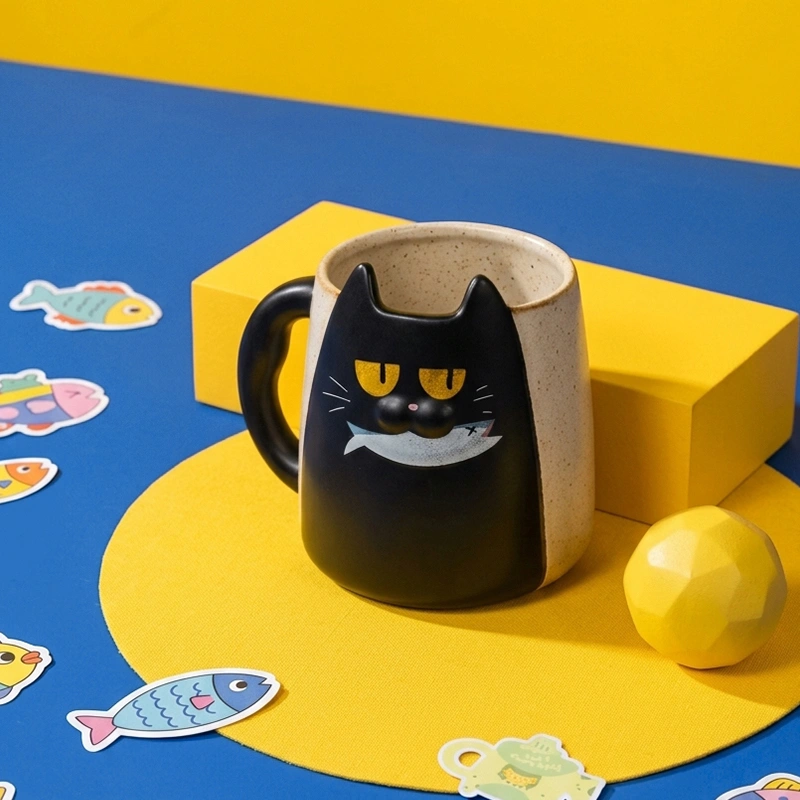
“Керамическая ваза” — это обширная категория, в которую входят многие виды декоративных изделий из глины.
Обычные керамические вазы, как правило, бывают:
- Доступный по цене
- Простота массового производства
- Предлагаются в различных стилях и цветах
Преимущества:
- Выгодно при закупках больших партий
- Гибкие возможности дизайна
- Подходит для повседневного декоративного использования
Типичные области применения:
- Оформление интерьера
- Сезонное оформление
- Рекламные или бюджетные линейки продукции
Однако обычные керамические изделия могут иметь:
- Меньшая плотность
- Более высокая водопоглощаемость
- Сниженная долговечность по сравнению с материалами премиум-класса
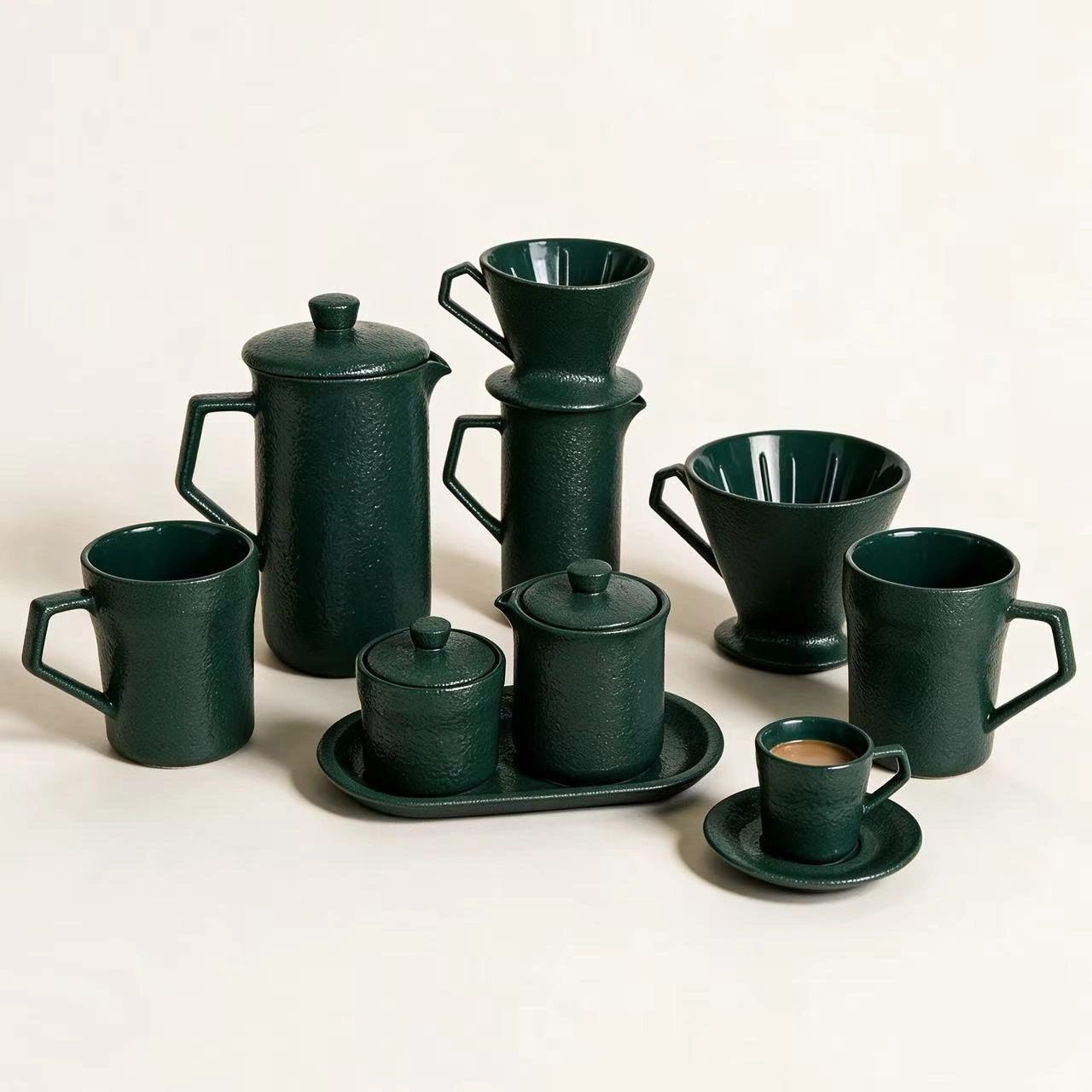
2. Что такое керамическая ваза из каменной массы?
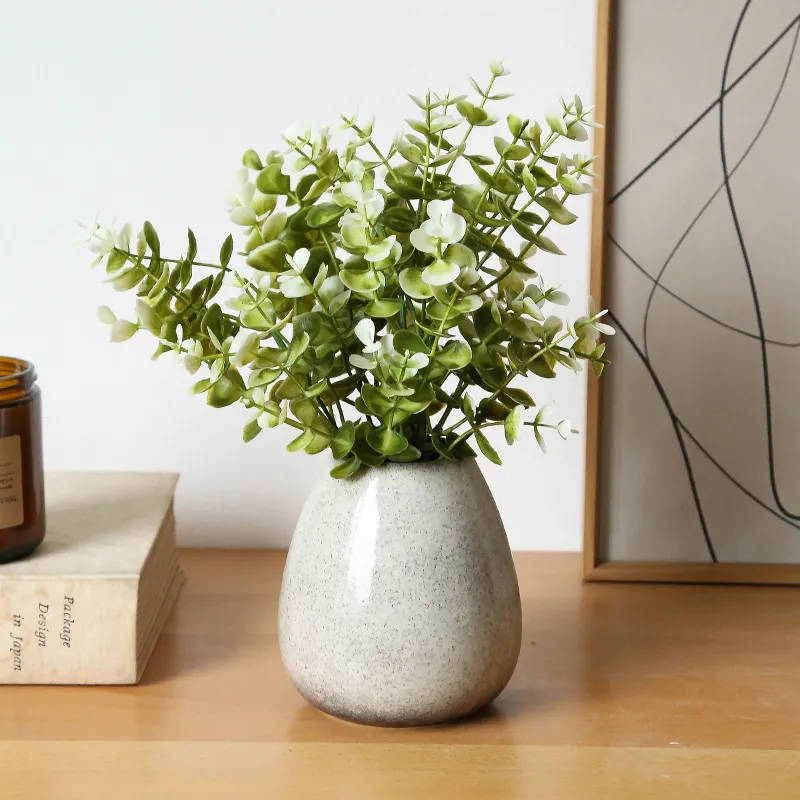
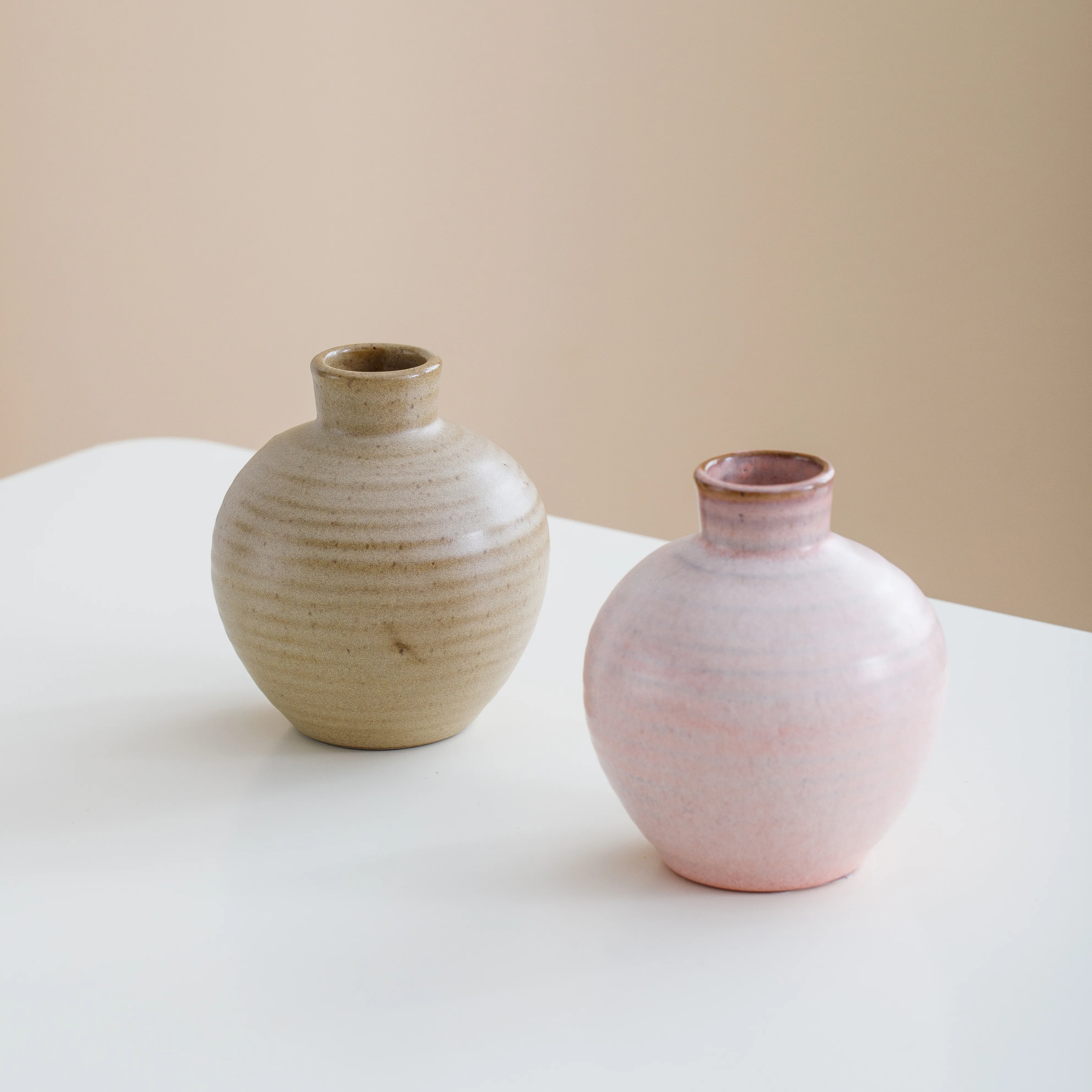
Керамогранит — это более плотный и прочный керамический материал, обжигаемый при более высоких температурах.
Основные особенности:
- Прочная и долговечная конструкция
- Естественный вид, как будто изготовлено вручную
- Популярные матовые и фактурные отделки
Почему покупатели выбирают керамогранит:
- Эксклюзивный дизайн в стиле ручной работы
- Повышенная износостойкость для длительного использования
- Высокая востребованность на рынках интерьеров в скандинавском и современном стилях
Изделия из керамогранита, в частности вазы, особенно популярны среди:
- Бутиковые бренды товаров для дома
- Магазины товаров для образа жизни
- Проекты в сфере высококлассных кафе и гостеприимства
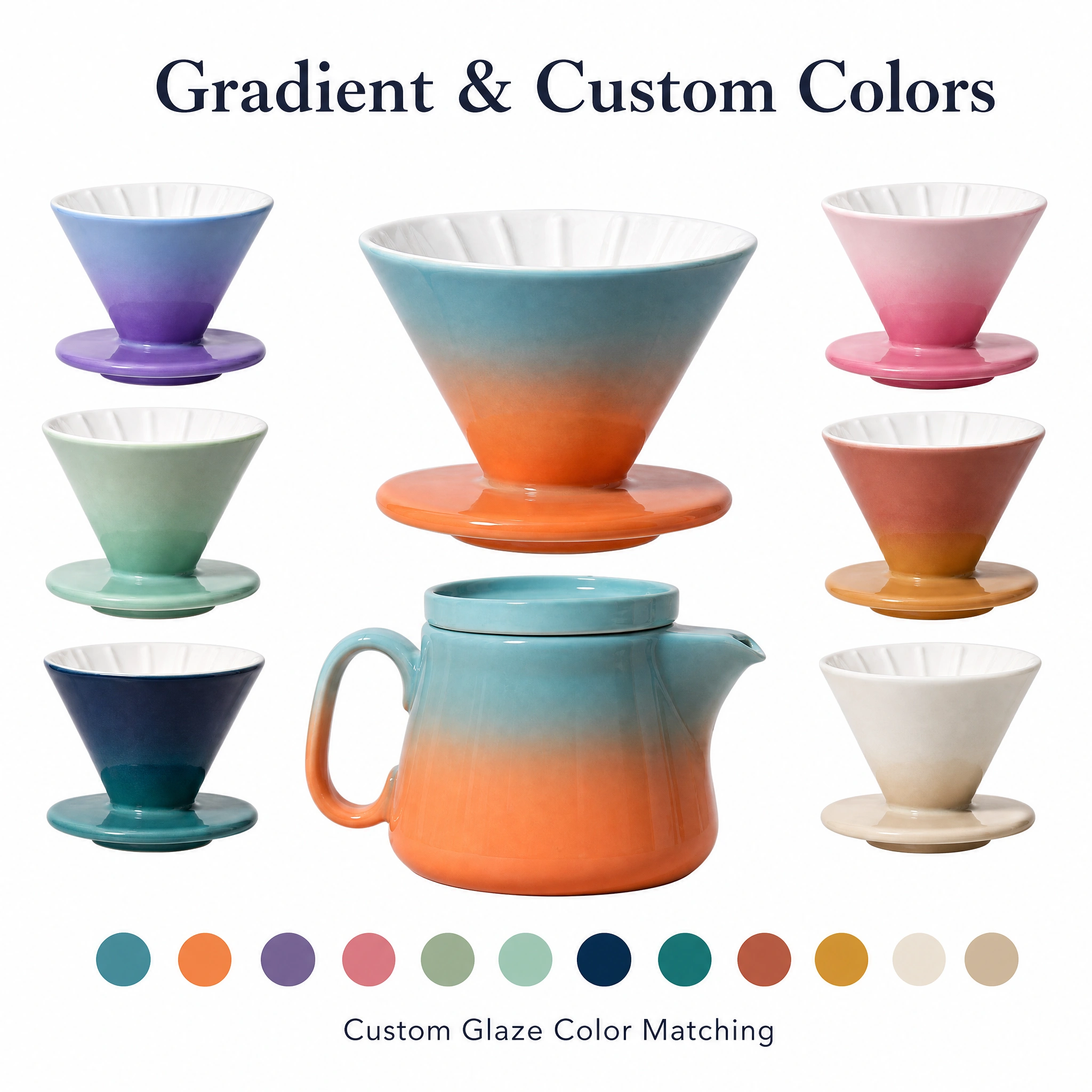
3. Что такое фарфоровая ваза?
Фарфор считается одним из самых изысканных керамических материалов.
Характеристики:
- Гладкая и изящная поверхность
- Тонкая текстура и ощущение легкости
- Высокая белизна и прозрачность
Преимущества:
- Роскошный внешний вид
- Превосходное качество отделки
- Идеально подходит для декоративных коллекций премиум-класса
Фарфоровые вазы обычно используются в:
- Элитные предметы интерьера
- Подарки премиум-класса
- Коллекции произведений изобразительного искусства и декоративно-прикладного искусства
Однако изделия из фарфора, как правило, бывают:
- Дороже
- Требует более бережного обращения при транспортировке
4. Краткий обзор основных различий
| Материал | Внешний вид | Долговечность | Стоимость | Положение на рынке |
|---|---|---|---|---|
| Обычная керамика | Универсальный | Умеренный | Нижний | Массовый рынок |
| Каменная посуда | С текстурой и натуральные | Высокий | Средний | Современный стиль премиум-класса |
| Фарфор | Изящный и элегантный | Умеренный | Выше | Рынок элитной недвижимости |
5. Какой материал для керамической вазы лучше выбрать?
Правильный выбор зависит от:
- Целевая группа потребителей
- Ценовая стратегия
- Позиционирование бренда
- Канал сбыта
Общие рекомендации:
- Бюджетная розничная торговля → Обычная керамика
- Современные бренды ручной работы → Керамика
- Элитная отделка → Фарфор
Заключение
Каждый материал, из которого изготавливаются керамические вазы, обладает уникальными преимуществами с точки зрения дизайна, эксплуатационных характеристик и рыночной привлекательности.
Для покупателей в сегменте B2B понимание этих различий может помочь оптимизировать решения по выбору поставщиков, снизить несоответствие рыночного спроса и предложения, а также укрепить позиционирование продукта.
О компании Qingfa Ceramics
Компания была основана на основе многолетнего опыта в области производства керамики, Керамика Цинфа специализируется на производстве высококачественной керамической посуды и декоративной керамики для мировых рынков. Благодаря передовым производственным мощностям, строгому контролю качества и гибким услугам по производству под брендом заказчика (OEM/ODM) компания Qingfa предлагает надежные решения для оптовых и розничных продавцов, проектов в сфере гостеприимства, а также брендов товаров для дома по всему миру.