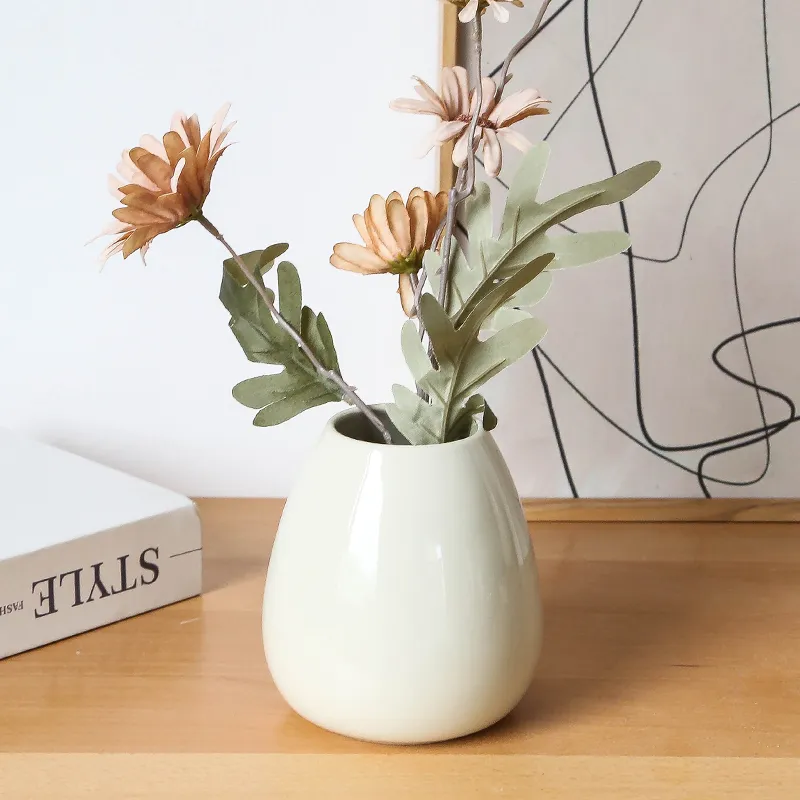
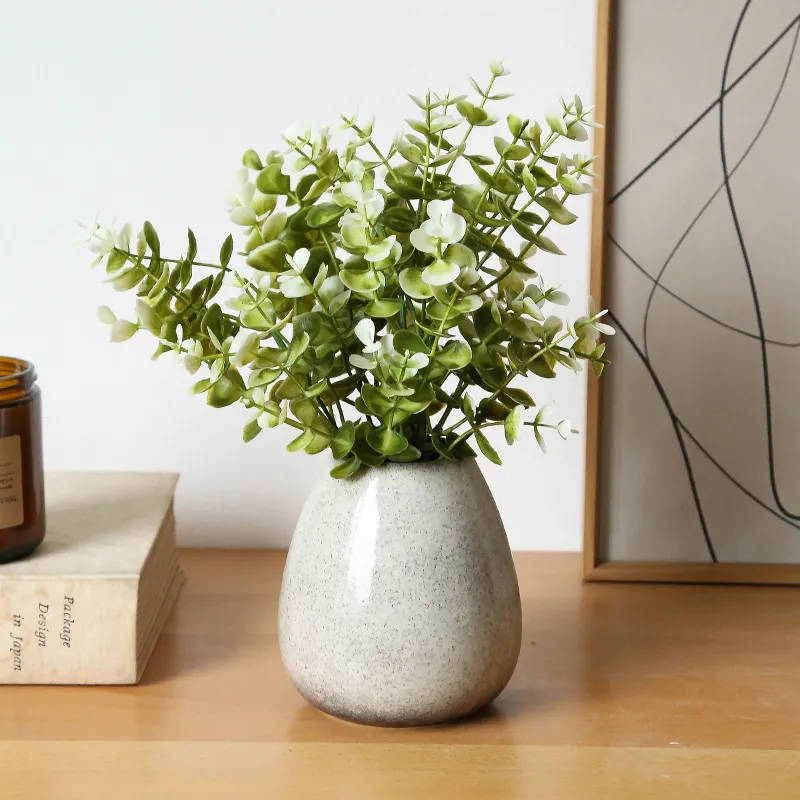
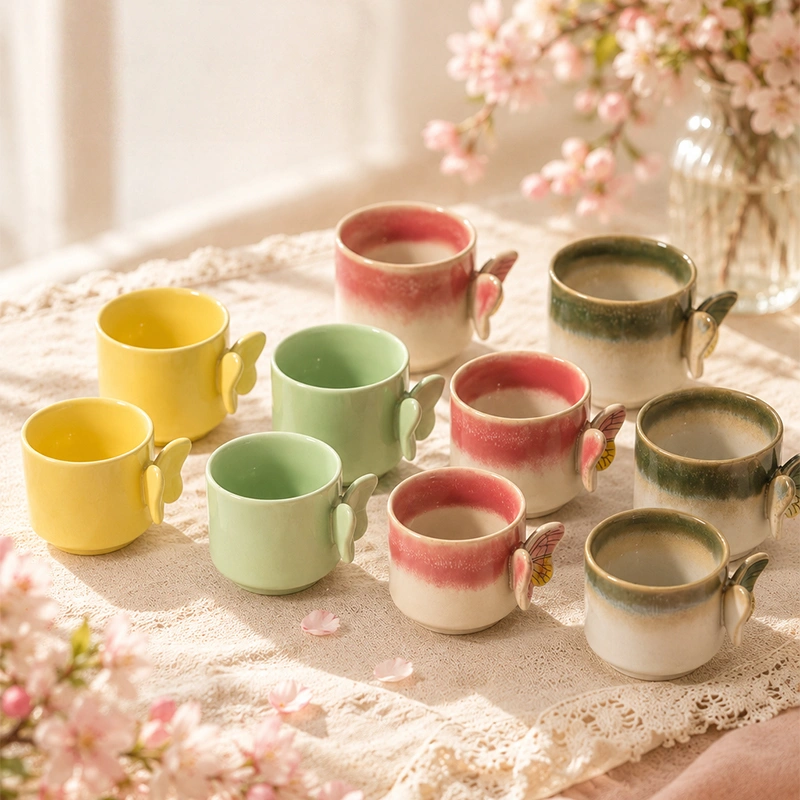
Bei der Beschaffung von Keramikvasen stoßen Einkäufer häufig auf unterschiedliche Materialbezeichnungen wie beispielsweise Steingut, Porzellan, und Keramik.
Obwohl diese Begriffe manchmal synonym verwendet werden, unterscheiden sie sich erheblich in Aussehen, Haltbarkeit, Beschaffenheit und Marktpositionierung.
Das Verständnis dieser Unterschiede ist entscheidend für die Auswahl der richtigen Keramikvase für Ihren Zielmarkt.
1. Was ist eine gewöhnliche Keramikvase?
“Keramikvase” ist eine weit gefasste Kategorie, die viele Arten von Dekorationsartikeln aus Ton umfasst.
Herkömmliche Keramikvasen sind in der Regel:
- Erschwinglich
- Einfach in Serie zu produzieren
- In verschiedenen Ausführungen und Farben erhältlich
Vorteile:
- Kostengünstig bei Großeinkäufen
- Flexible Gestaltungsmöglichkeiten
- Geeignet für den täglichen dekorativen Gebrauch
Häufige Anwendungsbereiche:
- Wohnkultur
- Saisonale Dekoration
- Werbe- oder preisgünstige Produktlinien
Herkömmliche Keramikprodukte können jedoch Folgendes aufweisen:
- Geringere Dichte
- Höhere Wasseraufnahme
- Geringere Haltbarkeit im Vergleich zu hochwertigen Materialien
2. Was ist eine Vase aus Steinzeug?
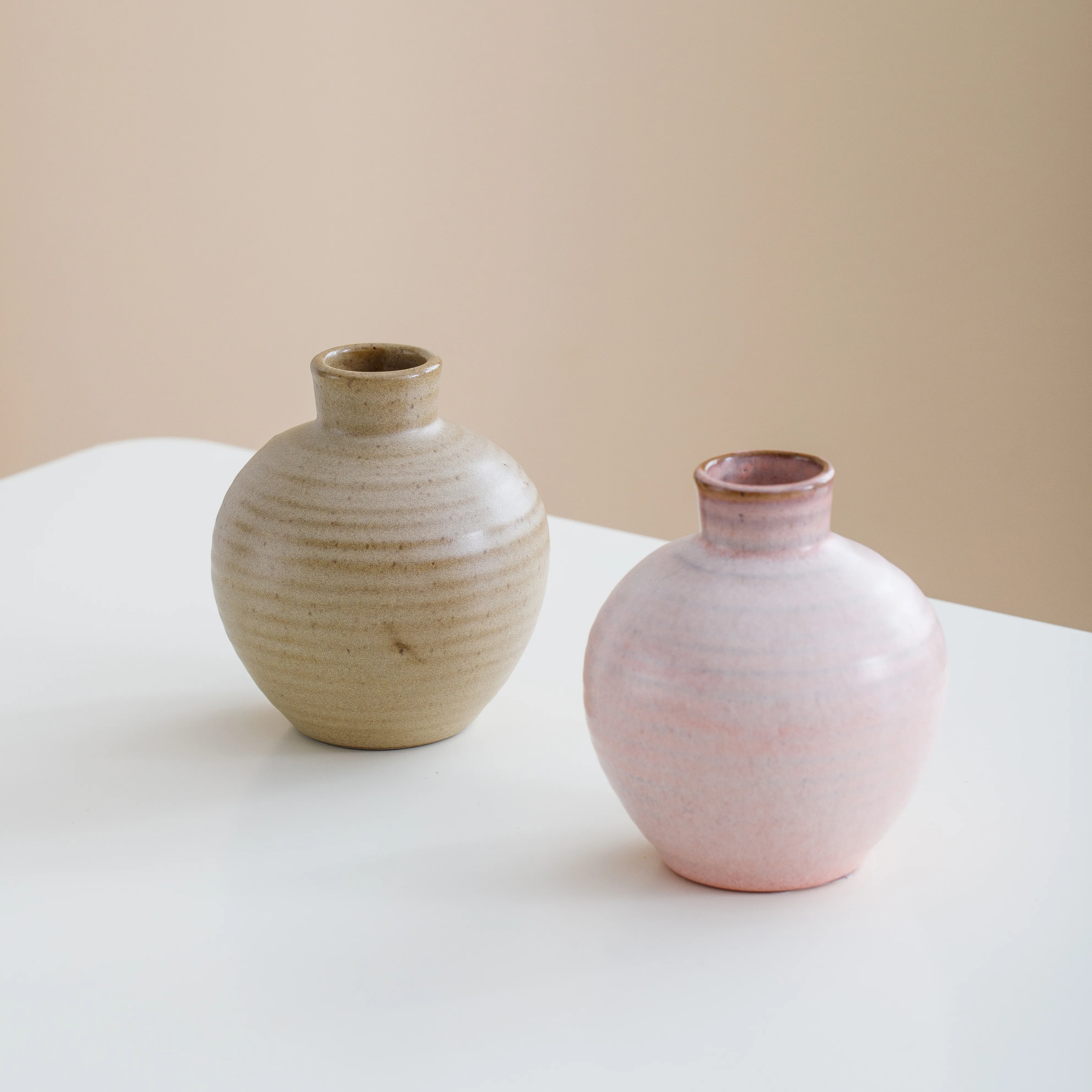
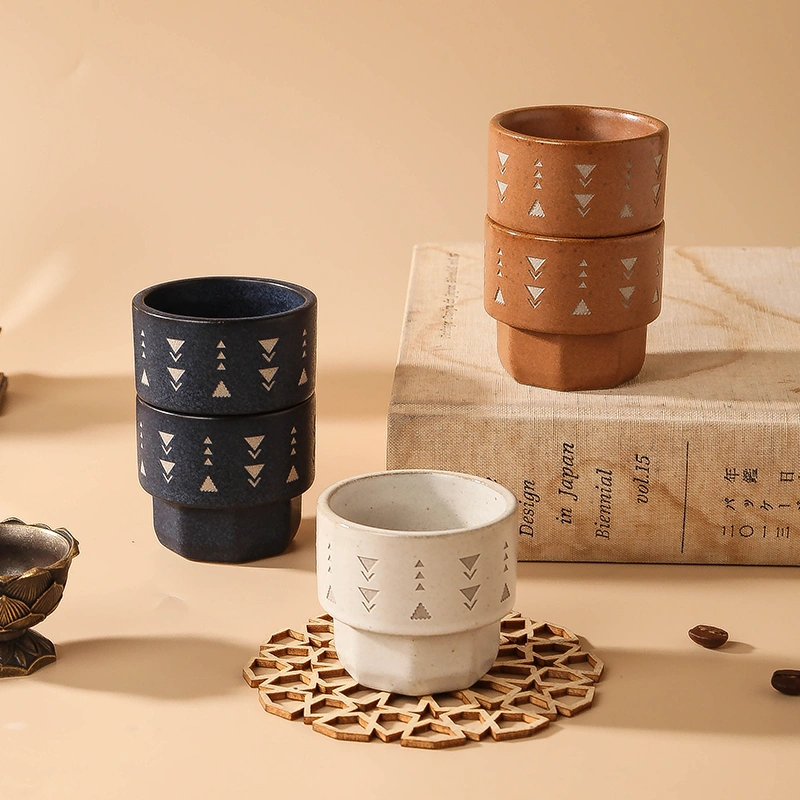
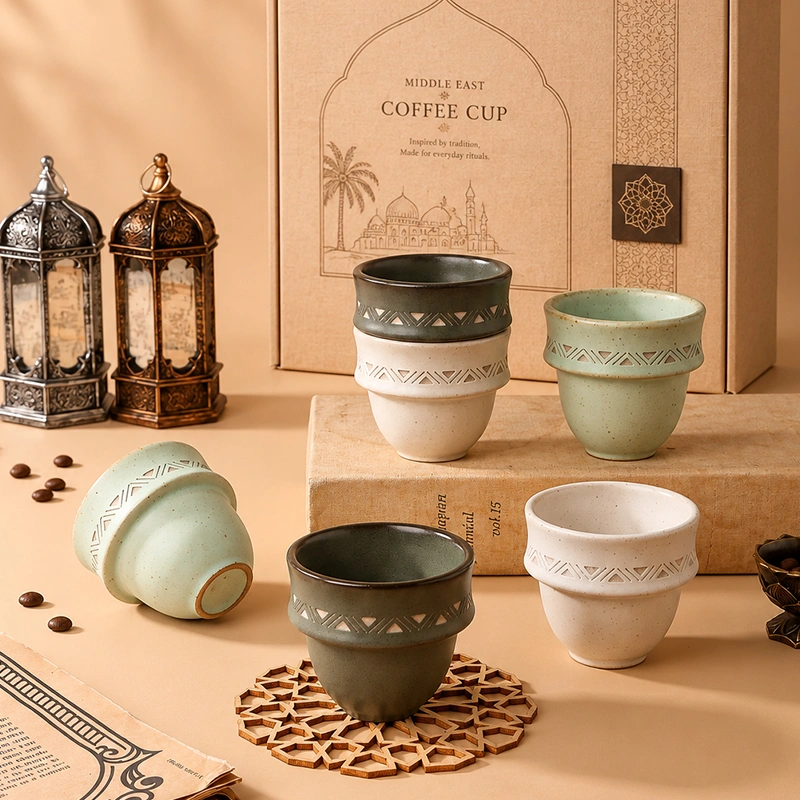
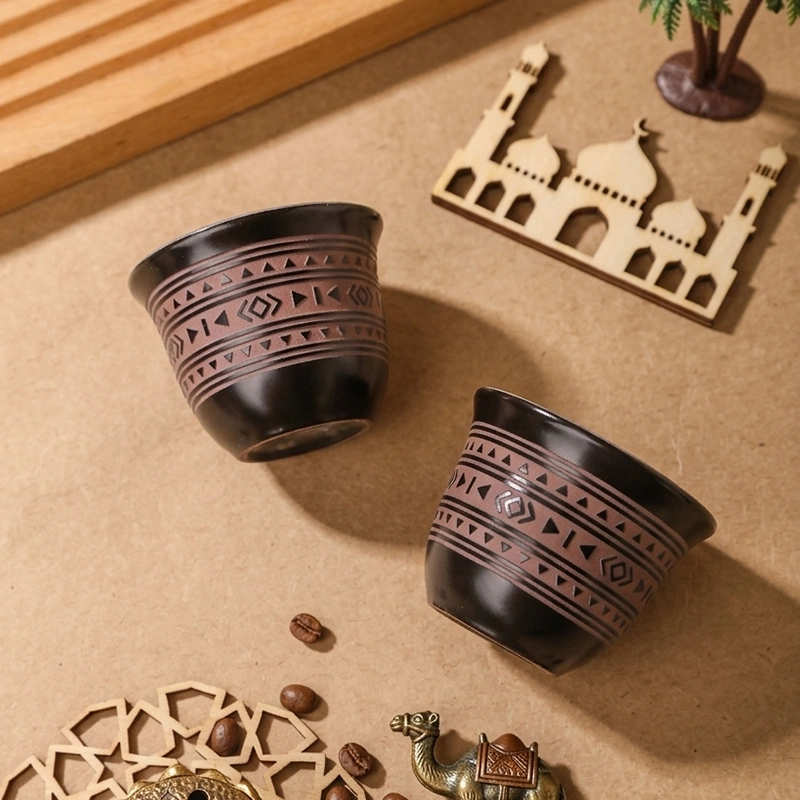
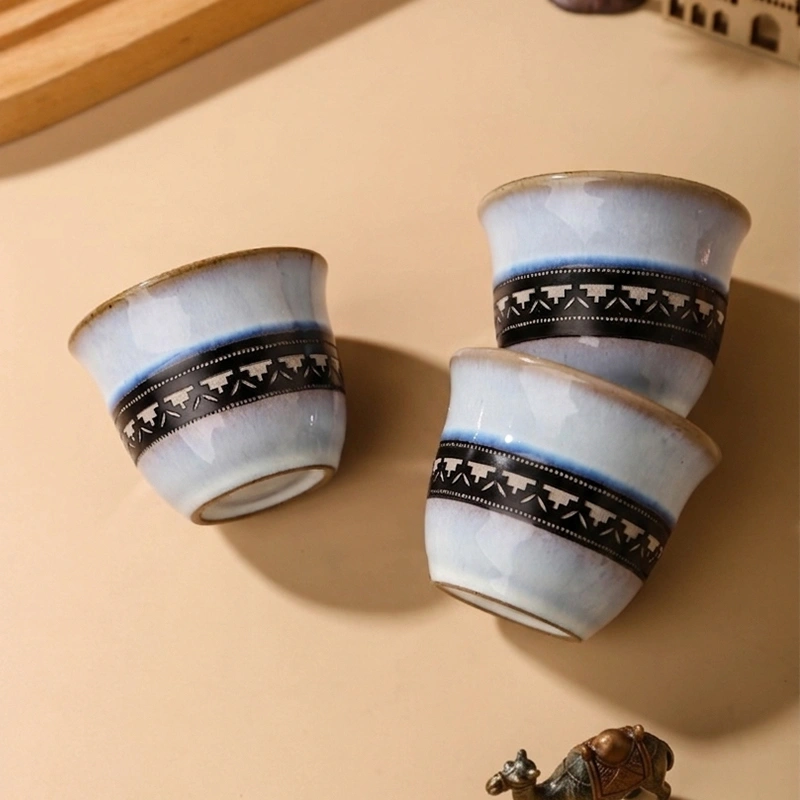
Steingut ist ein dichteres und widerstandsfähigeres Keramikmaterial, das bei höheren Temperaturen gebrannt wird.
Wichtigste Merkmale:
- Stabile und langlebige Konstruktion
- Natürliche, handgefertigte Optik
- Beliebte matte und strukturierte Oberflächen
Warum sich Käufer für Steingut entscheiden:
- Hochwertiger Look im handwerklichen Stil
- Höhere Haltbarkeit für den langfristigen Einsatz
- Große Beliebtheit auf den Märkten für nordische und moderne Inneneinrichtung
Vasen aus Steingut sind besonders beliebt bei:
- Boutique-Marken für Wohnaccessoires
- Lifestyle-Einzelhändler
- Hochwertige Café- und Gastronomieprojekte
3. Was ist eine Porzellanvase?
Porzellan gilt als eines der edelsten Keramikmaterialien.
Merkmale:
- Glatte und elegante Oberfläche
- Feine Textur und leichtes Tragegefühl
- Hohe Weißheit und Transluzenz
Vorteile:
- Luxuriöses Erscheinungsbild
- Hervorragende Verarbeitungsqualität
- Ideal für hochwertige Dekorationskollektionen
Porzellanvasen werden häufig verwendet in:
- Luxuriöse Wohnaccessoires
- Exklusive Geschenke
- Kunst- und Dekorationssammlungen
Porzellanprodukte sind jedoch in der Regel:
- Teurer
- Beim Transport besonders vorsichtig behandeln
4. Die wichtigsten Unterschiede auf einen Blick
| Material | Aussehen | Dauerhaftigkeit | Kosten | Marktposition |
|---|---|---|---|---|
| Normale Keramik | Vielseitig | Mäßig | Nach unten | Massenmarkt |
| Steingut | Strukturiert & natürlich | Hoch | Mittel | Hochwertig und modern |
| Porzellan | Geschmeidig und elegant | Mäßig | Höher | Luxusmarkt |
5. Welches Material sollte man für eine Keramikvase wählen?
Die richtige Wahl hängt von folgenden Faktoren ab:
- Zielgruppe
- Preisstrategie
- Design-Positionierung
- Vertriebskanal
Allgemeine Empfehlungen:
- Günstige Produkte → Normale Keramik
- Moderne Handwerksmarken → Steingut
- Luxusdekoration → Porzellan
Schlussfolgerung
Jedes Material für Keramikvasen bietet einzigartige Vorteile hinsichtlich Design, Leistungsfähigkeit und Marktattraktivität.
Für B2B-Einkäufer kann das Verständnis dieser Unterschiede dazu beitragen, Beschaffungsentscheidungen zu verbessern, Marktdiskrepanzen zu verringern und die Produktpositionierung zu stärken.
Über Qingfa Ceramics
Gegründet mit jahrzehntelanger Erfahrung in der Keramikherstellung, Qingfa Keramiken ist auf hochwertiges Keramikgeschirr und dekorative Keramik für den globalen Markt spezialisiert. Mit fortschrittlichen Produktionskapazitäten, strengen Qualitätskontrollen und flexiblen OEM/ODM-Dienstleistungen bietet Qingfa zuverlässige Lösungen für Großhändler, Einzelhändler, Gastgewerbeprojekte und Wohndekor-Marken weltweit.