When sourcing custom ceramic tableware, one of the first questions buyers ask is:
“How much will my custom ceramic dinnerware cost?”
The answer is not always straightforward. Unlike standard products, custom ceramic tableware pricing depends on multiple factors, including material selection, design complexity, decoration techniques, packaging requirements, and order quantity.
In this guide, we’ll break down the key cost factors behind ceramic tableware manufacturing and help you better plan your next sourcing project.
1. Material Selection
The type of ceramic material is one of the biggest cost drivers.
Porcelain
Porcelain is known for its fine texture, high strength, and elegant appearance. It is often used for premium retail collections, hospitality projects, and upscale dining brands.
Advantages:
- Lightweight
- Durable
- Refined appearance
- Suitable for high-end markets
Cost Level: Higher
Stoneware
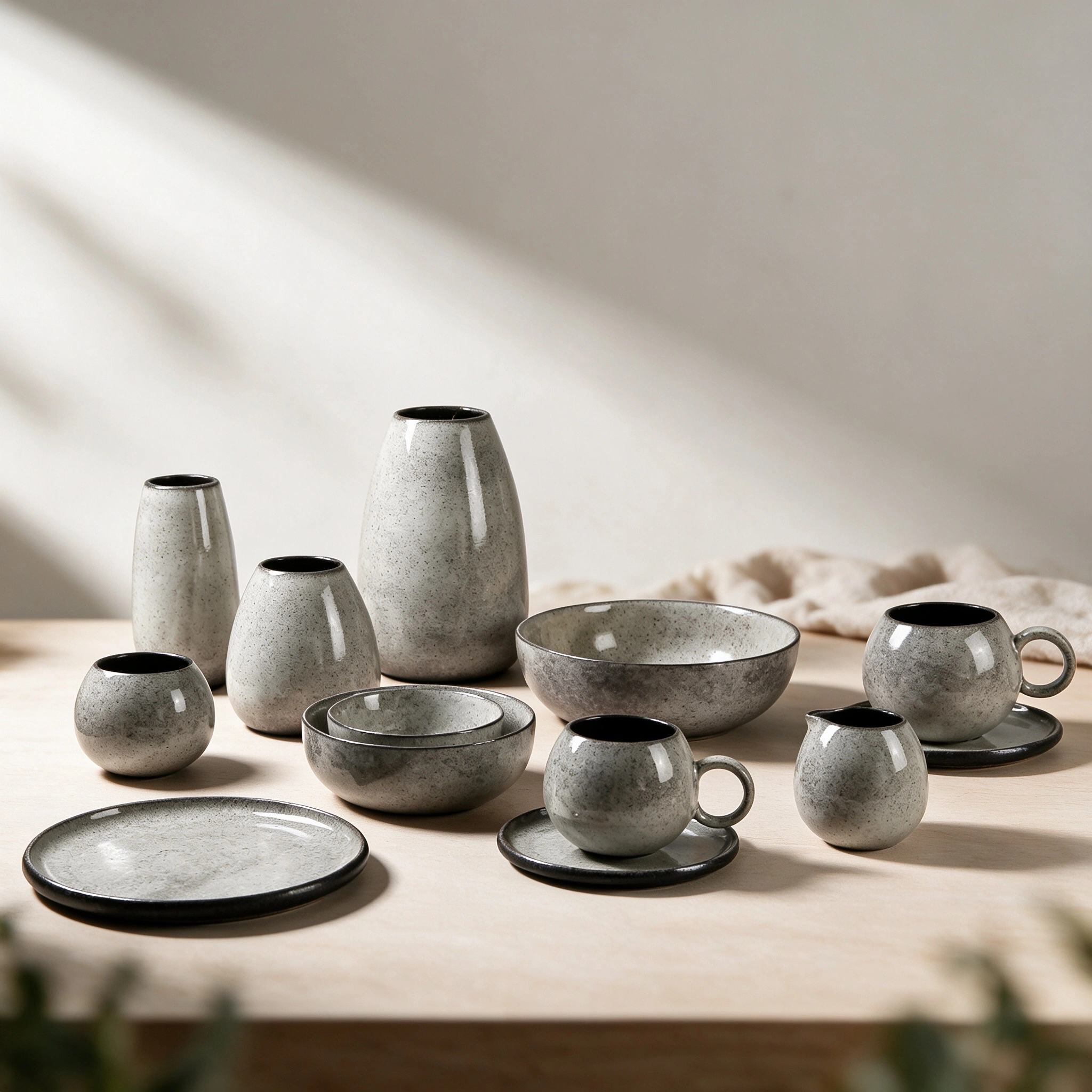
Stoneware has a rustic, handcrafted appearance and has become increasingly popular in Europe and North America.
Advantages:
- Strong and durable
- Excellent for reactive glaze finishes
- Modern and artisanal look
Cost Level: Medium
Earthenware
Earthenware is generally more affordable but has higher water absorption and lower durability.
Advantages:
- Cost-effective
- Suitable for decorative applications
Cost Level: Lower
2. Product Shape and Design Complexity
The more unique the shape, the higher the production cost.
Standard round plates and bowls are typically the most economical because existing molds can often be used.
Custom shapes may require:
- New mold development
- Additional engineering work
- Multiple sample revisions
Examples of higher-cost designs include:
- Irregular organic shapes
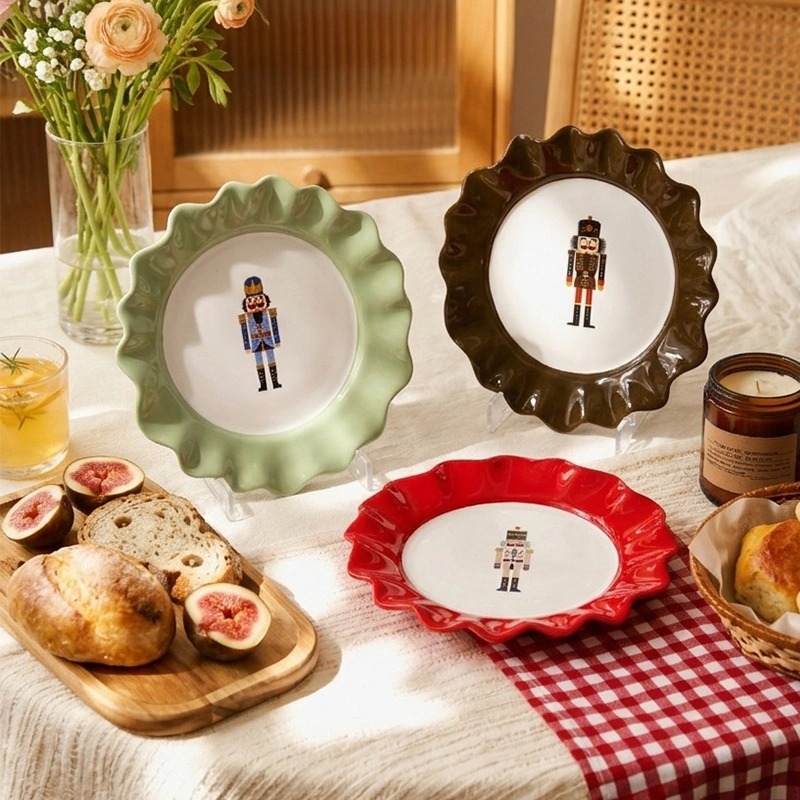
- Embossed surfaces
- Sculpted handles
- Multi-part serving sets
Custom mold costs are usually spread across the production volume, making larger orders more cost-efficient.
3. Decoration and Surface Finishes
Decoration techniques significantly affect the final price.
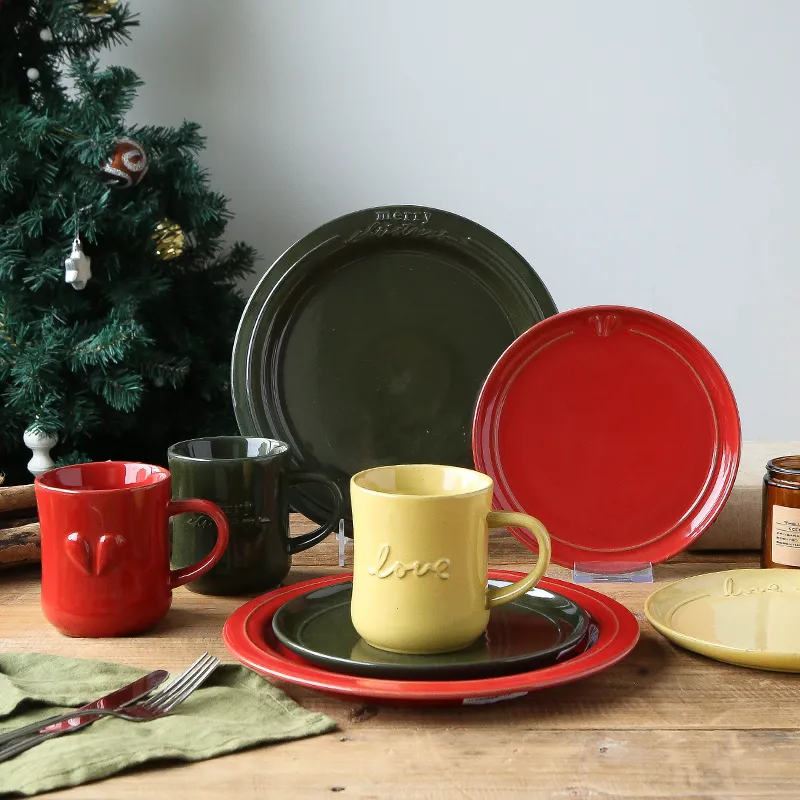
Solid Color Glaze
One of the most economical options.
Suitable for:
- Minimalist collections
- Restaurant tableware
- Everyday retail products
Reactive Glaze
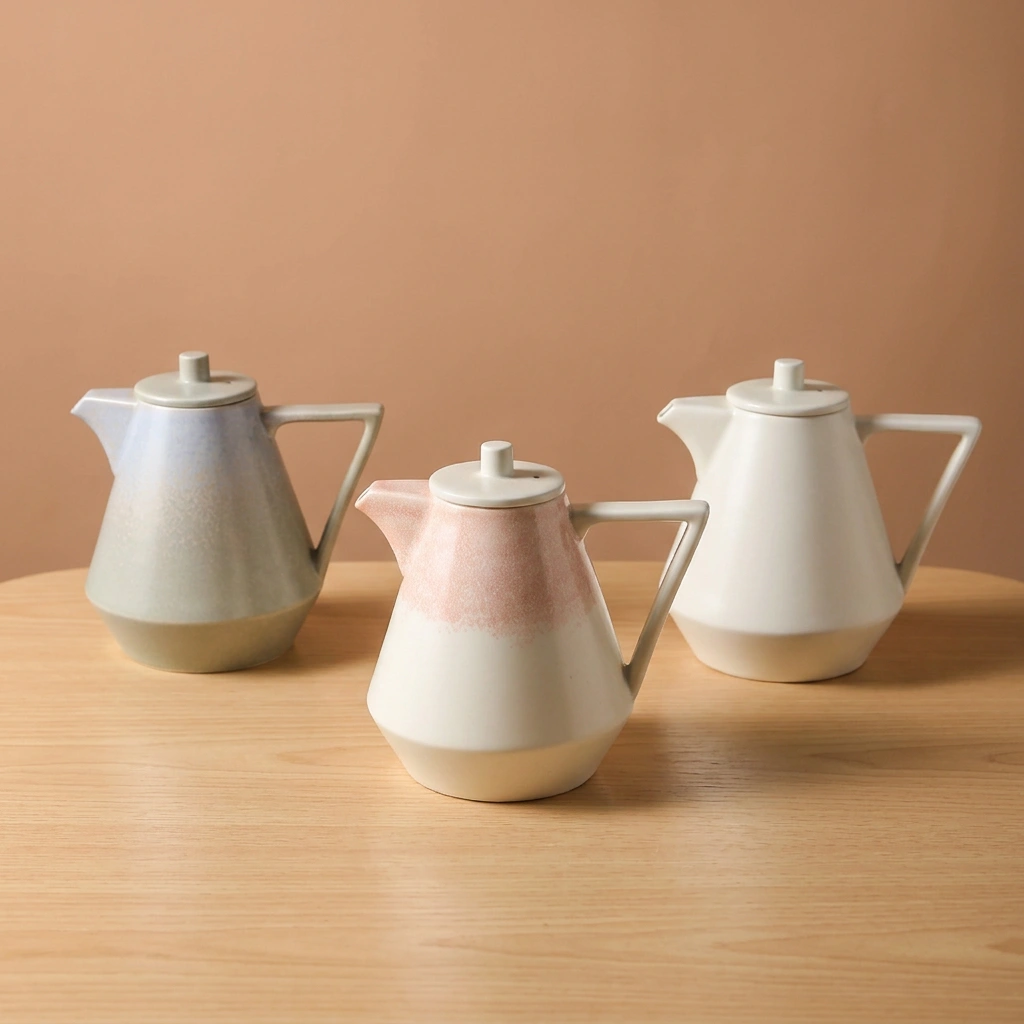
Reactive glaze creates unique color variations and handcrafted visual effects.
Benefits:
- Premium appearance
- Strong consumer appeal
- Trend-driven design
Cost Impact: Medium to High
Decal Decoration
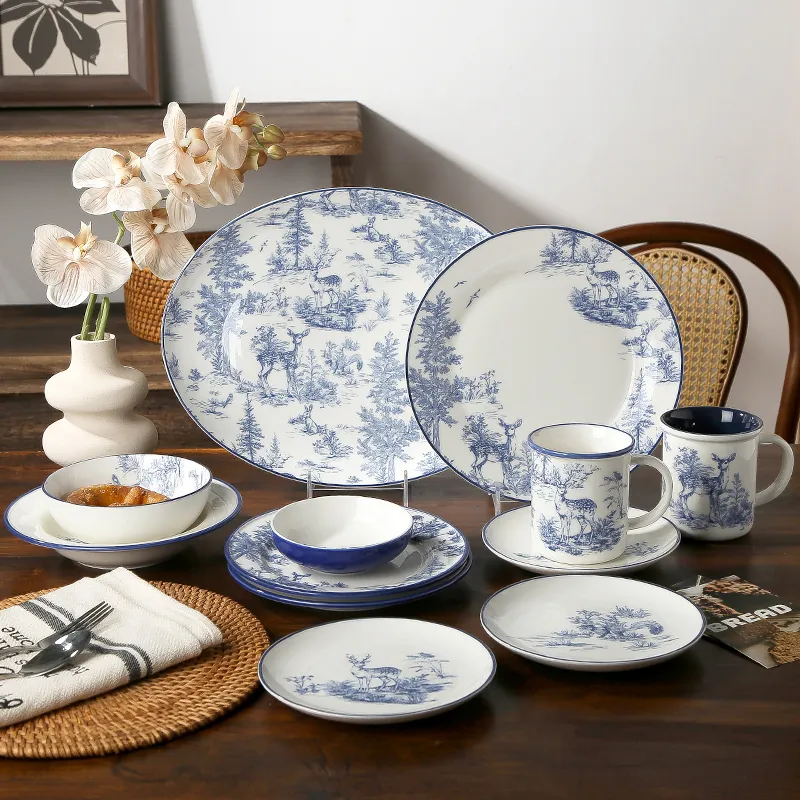
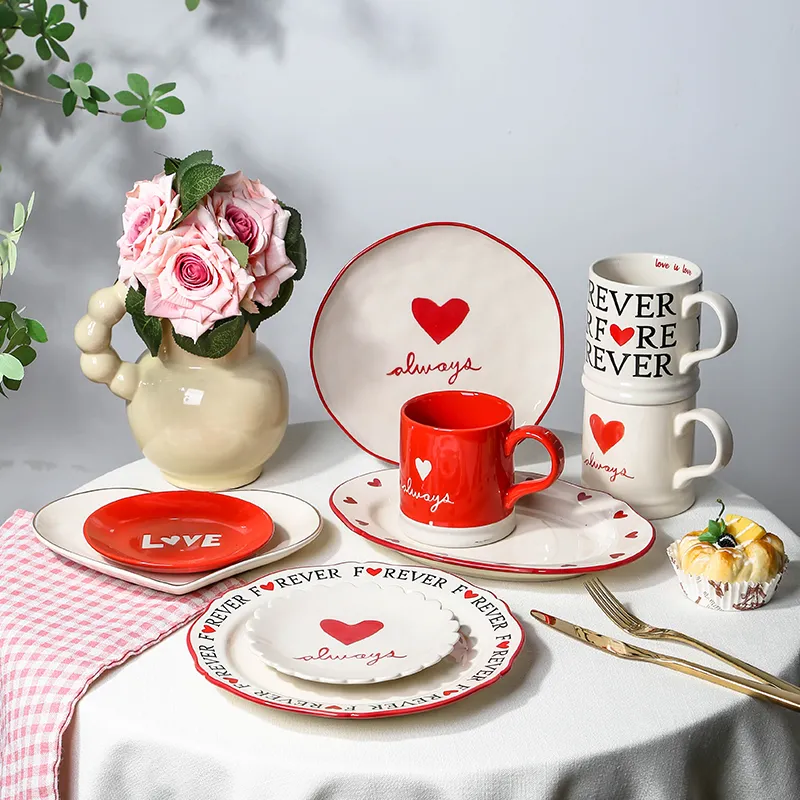
Customized logos, artwork, and patterns require additional printing and application processes.
Cost depends on:
- Number of colors
- Artwork coverage area
- Placement complexity
Gold and Platinum Decoration
Metallic decoration provides luxury appeal but increases production costs due to expensive materials and additional firing processes.
4. Packaging Requirements
Many buyers focus only on product costs and overlook packaging expenses.
Packaging can account for a significant portion of the total project cost.
Bulk Packaging
Lowest-cost option.
Best for:
- Distributors
- Food service projects
- Wholesale channels
Color Gift Box
Suitable for:
- Retail brands
- E-commerce sellers
- Seasonal collections
Premium Custom Packaging
Includes:
- Rigid boxes
- Window boxes
- Magnetic closure boxes
- Luxury presentation packaging
These options enhance brand value but increase overall costs.
5. Order Quantity (MOQ)
Quantity has a major impact on unit cost.
Higher volumes help distribute:
- Mold development costs
- Sampling expenses
- Production setup costs
- Packaging development costs
As production volume increases, the average unit cost generally decreases.
For this reason, many manufacturers offer more competitive pricing for larger orders.
6. Quality Standards and Testing Requirements
Different markets have different compliance requirements.
Examples include:
- FDA requirements for the United States
- LFGB standards for Germany
- Food-contact safety testing
- Dishwasher and microwave testing
Additional testing and certification may increase project costs but are often essential for market access and long-term brand protection.
7. Logistics and Shipping Costs
Ceramic products are fragile and relatively heavy, making transportation a significant cost factor.
Shipping costs are influenced by:
- Product weight
- Packaging size
- Destination country
- Container utilization
- Freight market conditions
Optimized product and packaging design can help reduce shipping costs and breakage rates.
How to Control Custom Ceramic Tableware Costs
Buyers can optimize project budgets by:
✔ Selecting standard shapes whenever possible
✔ Consolidating multiple items into larger production runs
✔ Choosing decoration methods that match target market positioning
✔ Designing efficient packaging structures
✔ Planning projects early to avoid expedited production fees
✔ Working with experienced ceramic manufacturers that provide design and engineering support
Final Thoughts
Custom ceramic tableware costs are influenced by much more than the product itself. Material selection, design complexity, decoration methods, packaging, quantity, testing requirements, and logistics all play important roles in determining the final price.
Understanding these factors early in the sourcing process helps buyers make informed decisions, avoid unexpected expenses, and develop products that meet both budget and market expectations.
At QINGFA CERAMIC, we work closely with global brands, retailers, wholesalers, and hospitality customers to develop customized ceramic tableware solutions that balance design, quality, and cost efficiency.
If you are planning a custom ceramic project, our team is ready to help you evaluate the best options for your business.