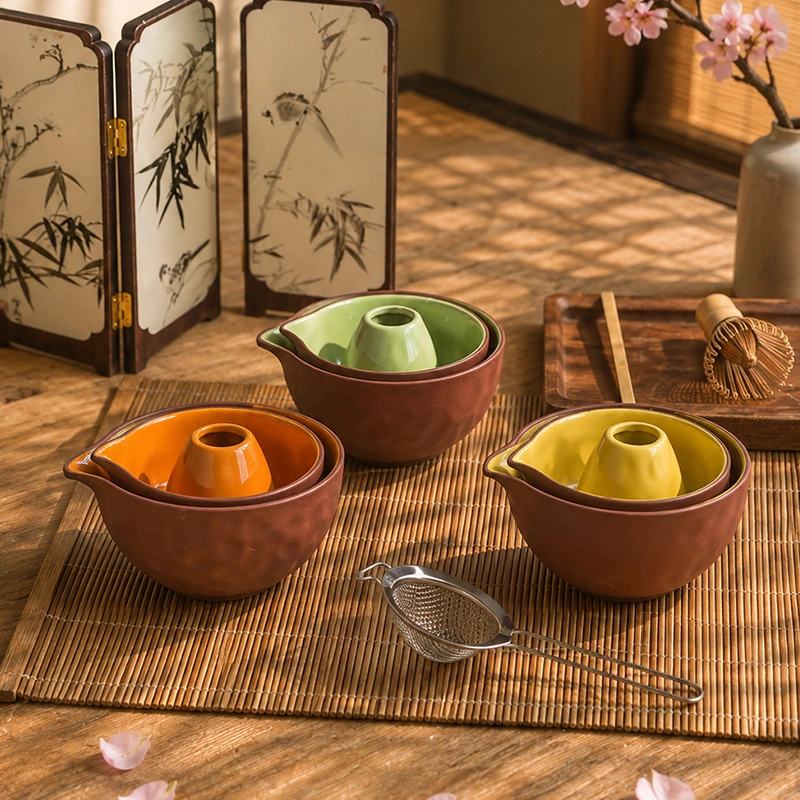
Lors de l'approvisionnement en produits en céramique destinés au commerce de détail, à l'hôtellerie, à la restauration ou aux marques de distributeur, le respect des normes de sécurité est l'un des facteurs les plus importants à prendre en compte.
Parmi toutes les exigences de sécurité, l'analyse de la teneur en plomb et en cadmium constitue l'une des normes les plus strictes applicables aux produits en céramique destinés à entrer en contact avec les aliments.
Ces métaux lourds peuvent être présents dans les glaçures céramiques ou les finitions décoratives, et s'ils migrent dans les aliments ou les boissons au-delà des limites réglementaires, ils peuvent présenter des risques pour la santé. C'est pourquoi les marchés mondiaux soumettent les produits céramiques à une réglementation stricte avant leur importation et leur mise en vente.
Cet article explique comment fonctionnent les tests de détection du plomb et du cadmium, pourquoi ils sont importants et ce que les acheteurs doivent vérifier avant de passer commande.
Pourquoi il est nécessaire de procéder à des analyses de plomb et de cadmium
Les articles en céramique, tels que les tasses, les assiettes, les bols et les services à thé, sont souvent recouverts de glaçures colorées et de revêtements décoratifs.
Dans certains cas, ces matériaux peuvent contenir des traces de plomb ou de cadmium. La principale préoccupation ne réside pas dans la présence de ces substances en soi, mais dans le fait de savoir si elles peuvent migrer dans les aliments lors d'une utilisation normale.
Les essais réglementaires visent à simuler les conditions réelles d'utilisation et à mesurer les niveaux de migration.
Quels sont les produits en céramique qui doivent faire l'objet d'essais ?
| Type de produit | Utilisation courante |
|---|---|
| Tasses à café et mugs | Cafés, restaurants, commerces |
| Services à thé | Hôtellerie, cadeaux |
| Services de table | Hôtels, restaurants |
| Assiettes et bols | Restauration |
| Plats de service | Buffet et service traiteur |
| Céramiques décoratives | Décoration d'intérieur / Cadeaux |
Tout produit en céramique susceptible d'entrer en contact avec des denrées alimentaires doit généralement faire l'objet d'essais de conformité.
Explications sur la migration du plomb et du cadmium
De nombreux acheteurs se font une idée erronée de la sécurité des produits en céramique, en pensant qu'elle dépend de la présence ou non de plomb ou de cadmium dans le produit.
En réalité, la réglementation porte principalement sur les niveaux d'immigration.
Les essais de migration permettent de mesurer la quantité de plomb ou de cadmium susceptible de se transférer de la surface céramique vers des solutions acides simulant des aliments et des boissons.
Un produit peut contenir des oligo-éléments tout en étant conforme à la réglementation si leur migration reste inférieure aux limites légales.
Exigences réglementaires sur les principaux marchés
| Marché | Type de réglementation | Focus |
|---|---|---|
| États-Unis | normes de la FDA | Limites de migration des métaux lourds |
| Union européenne | Réglementation européenne relative aux matériaux destinés à entrer en contact avec les denrées alimentaires | Contrôles rigoureux de conformité |
| Royaume-Uni | Règles britanniques en matière de sécurité alimentaire | Conformes aux normes de l'UE |
| Australie | Règles relatives aux matériaux destinés à entrer en contact avec les denrées alimentaires | Conformité en matière de sécurité des produits |
| Moyen-Orient | Exigences applicables aux importateurs | Rapports d'essais réalisés par des organismes indépendants |
Les exigences en matière de documentation pouvant varier d'un marché à l'autre, il est recommandé aux acheteurs de vérifier ces exigences avant le lancement de la production.
Comment sont réalisés les tests de détection du plomb et du cadmium
Les essais sont généralement réalisés par des laboratoires tiers accrédités.
Déroulement type :
- Prélèvement d'échantillons sur les produits finis
- Remplissage d'un objet en céramique avec une solution d'essai
- Contact simulé dans des conditions contrôlées
- Mesure en laboratoire de la migration des métaux
- Comparaison avec les limites réglementaires
- Délivrance du rapport d'essai en cas de conformité
Documents que les acheteurs devraient demander
| Document | Objectif |
|---|---|
| Rapport d'analyse du plomb et du cadmium | Confirme la conformité aux normes de sécurité |
| Rapport de conformité aux normes de la FDA et de l'UE | Obligatoire pour les marchés d'importation |
| Fiche technique du produit | Confirme les détails relatifs au matériel |
| Rapport de contrôle qualité en usine | Garantit la cohérence de la production |
| Certification par un organisme tiers | Favorise l'autorisation de mise sur le marché |
Comment les fabricants garantissent le respect des normes de sécurité
Les usines de céramique modernes ont recours à plusieurs méthodes pour réduire les risques :
- Systèmes de glaçure sans plomb ni cadmium
- Sélection rigoureuse des matières premières
- Procédés de cuisson à haute température
- Contrôle qualité au niveau du lot
- Contrôles de routine effectués par des organismes tiers
Ces contrôles contribuent à garantir une conformité constante sur les marchés d'exportation.
Pourquoi c'est important pour les acheteurs
Sans tests appropriés, les acheteurs risquent de se retrouver confrontés à :
- Problèmes liés au dédouanement
- Refus de livraison
- Rappels de produits
- Risques liés à la conformité réglementaire
- Atteinte à la réputation de la marque
Pour les importateurs, les grossistes et les marques de distributeur, le respect des normes de sécurité n'est pas une option : c'est une exigence fondamentale.
Liste de contrôle de l'acheteur
| Objet | Vérifier |
|---|---|
| Rapport d'analyse du plomb et du cadmium disponible | ✓ |
| Conformité aux normes de la FDA et de l'UE confirmée | ✓ |
| Sécurité alimentaire vérifiée | ✓ |
| Une qualité de production constante | ✓ |
| Audit de fiabilité des fournisseurs | ✓ |
FAQ
1. Tous les produits en céramique doivent-ils faire l'objet d'essais ?
Les produits en céramique destinés à entrer en contact avec les aliments doivent généralement faire l'objet d'essais.
2. La céramique sans plomb est-elle totalement sans danger ?
L'absence de plomb réduit considérablement les risques, mais des essais de migration restent nécessaires.
3. À quelle fréquence faut-il effectuer ces tests ?
La plupart des acheteurs exigent des essais par lots ou le renouvellement annuel des certifications.
Conclusion
Les tests de détection du plomb et du cadmium constituent une exigence essentielle pour garantir la sécurité des produits céramiques sur les marchés mondiaux. Comprendre les tests de migration, les différences réglementaires et la vérification des fournisseurs aide les acheteurs à réduire les risques et à améliorer leurs décisions d'approvisionnement.
À propos de Qingfa Ceramics
Qingfa Ceramics est une usine et un fournisseur professionnel de céramique fort de plus de 40 ans d'expérience, au service de marques internationales et de partenaires grossistes.
Nous sommes spécialisés dans les tasses à café, les services à thé et à café, la vaisselle, la décoration d'intérieur et les ustensiles de cuisine, et proposons une gamme complète de Personnalisation OEM/ODM et des solutions de gros.
Du développement des produits à la production en série, Qingfa Ceramics accompagne ses clients internationaux en leur garantissant une qualité constante, des contrôles de sécurité rigoureux et un service d'exportation fiable.