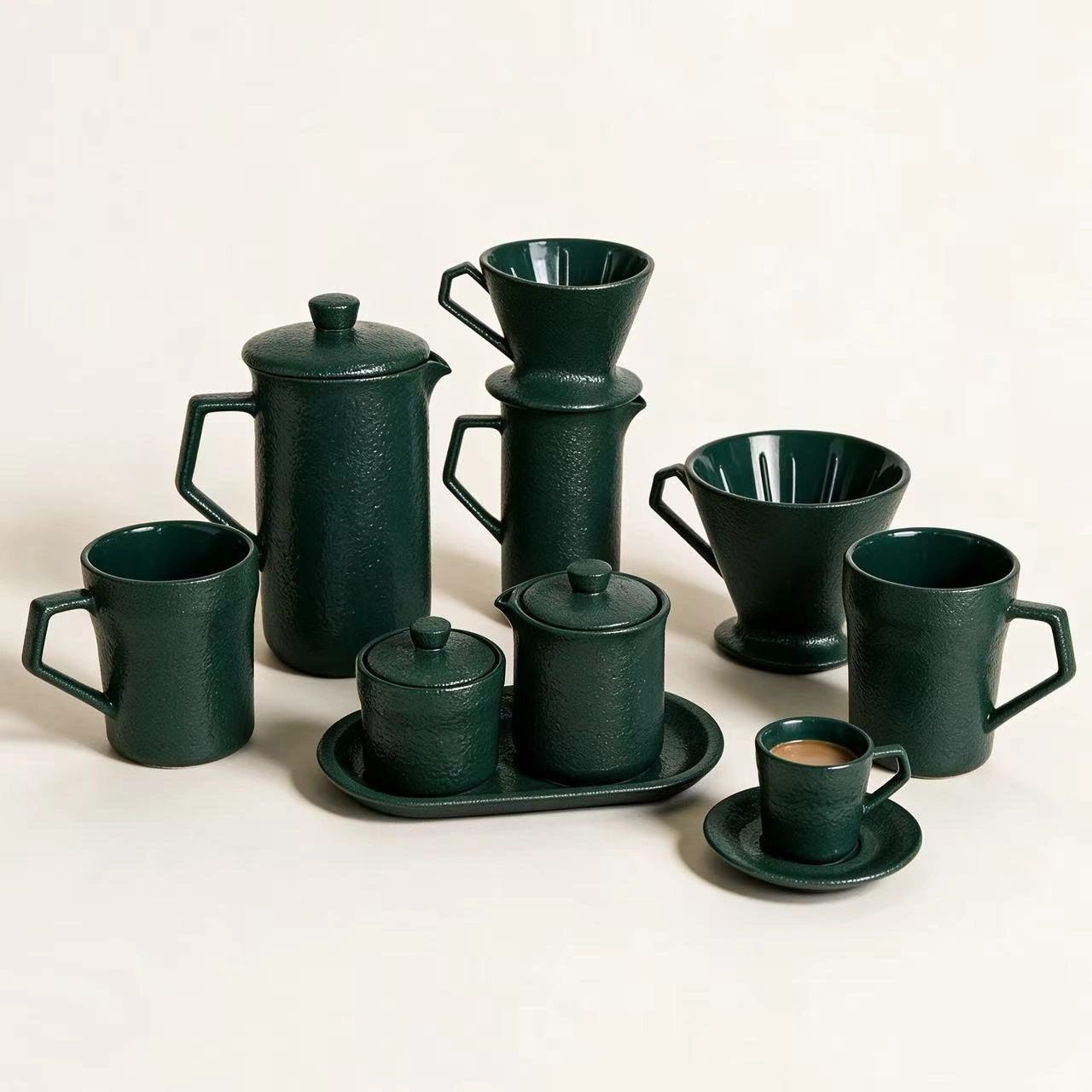
小売、ホスピタリティ、外食産業、あるいはプライベートブランド向けにセラミック製品を調達する際、安全基準への準拠は考慮すべき最も重要な要素の一つです。.
あらゆる安全要件の中でも、鉛およびカドミウムの検査は、食品と接触するセラミック製品にとって最も重要な基準の一つです。.
これらの重金属は、陶磁器の釉薬や装飾仕上げに含まれている場合があり、規制値を超えて食品や飲料に溶出すると、健康被害を引き起こすおそれがあります。そのため、世界各国の市場では、陶磁器製品の輸入や販売に際して厳格な規制が設けられています。.
この記事では、鉛およびカドミウムの検査がどのように行われるか、その重要性、そして購入者が注文を行う前に確認すべき点について解説します。.
鉛およびカドミウムの検査が必要な理由
カップ、お皿、ボウル、ティーセットなどの陶磁器製品には、色付きの釉薬や装飾的なコーティングが施されていることがよくあります。.
場合によっては、これらの材料に微量の鉛やカドミウムが含まれていることがあります。重要なのは、それらの物質が含まれていること自体ではなく、通常の使用中にこれらの物質が食品に移行するかどうかという点です。.
規制試験は、実際の使用条件を再現し、移行レベルを測定することを目的としています。.
どのセラミック製品に試験が必要か
| 製品タイプ | 一般的な用法 |
|---|---|
| コーヒーカップ&マグカップ | カフェ、レストラン、小売店 |
| ティーセット | おもてなし、贈り物 |
| 食器セット | ホテル、レストラン |
| お皿・お椀 | 外食産業 |
| 盛り付け用のお皿 | ビュッフェ・ケータリング |
| 装飾用陶磁器 | インテリア・ギフト |
食品と接触する可能性があるセラミック製品は、通常、適合性試験を受ける必要があります。.
鉛およびカドミウムの溶出について
多くの購入者は、セラミックの安全性について、製品内に鉛やカドミウムが含まれているかどうかが問題だと誤解しています。.
実際には、規制は移民の受け入れ規模に重点が置かれている。.
移行試験は、食品や飲料を模擬した酸性溶液に対して、セラミック表面からどれだけの鉛やカドミウムが移行するかを測定するものです。.
製品に微量の元素が含まれていても、移行量が法定基準値以下であれば合格となる。.
主要市場における規制要件
| 市場 | 規制の種類 | 焦点 |
|---|---|---|
| アメリカ合衆国 | FDAの基準 | 重金属の移行限度 |
| 欧州連合 | EUの食品接触規制 | 厳格な適合性試験 |
| イギリス | 英国の食品安全規則 | EUの基準と同様 |
| オーストラリア | 食品接触材料に関する規則 | 製品の安全基準への適合 |
| 中東 | 輸入業者に対する要件 | 第三者機関による試験報告書 |
市場によって必要な書類が異なる場合があるため、購入者は生産開始前に要件を確認する必要があります。.
鉛およびカドミウムの検査の実施方法
試験は通常、認定を受けた第三者試験機関によって実施されます。.
一般的なプロセス:
- 完成品からのサンプル選定
- セラミック製品に試験液を充填する
- 制御された条件下での接触シミュレーション
- 金属の移行に関する実験室での測定
- 規制基準値との比較
- 基準を満たしている場合の試験報告書の発行
購入者が請求すべき書類
| 文書 | 目的 |
|---|---|
| 鉛・カドミウム検査報告書 | 安全基準への準拠を確認 |
| FDA/EUコンプライアンス報告書 | 輸入市場で必須 |
| 製品仕様書 | 素材の詳細を確認する |
| 工場品質管理報告書 | 生産の一貫性を確保する |
| 第三者認証 | 市場承認に対応 |
メーカーはどのように安全基準の遵守を確保しているのか
現代のセラミック工場では、リスクを低減するために複数の方法を採用しています:
- 鉛およびカドミウムを含まない釉薬システム
- 厳格な原材料の選定
- 高温焼成プロセス
- ロット単位の品質検査
- 定期的な第三者による試験
これらの管理措置は、輸出市場におけるコンプライアンスの安定的な確保に寄与します。.
これが購入者にとってなぜ重要なのか
適切なテストを行わない場合、購入者は次のような事態に直面する可能性があります:
- 通関に関する問題
- 出荷拒否
- 製品のリコール
- 法令遵守に関するリスク
- ブランドの評判の低下
輸入業者、卸売業者、およびプライベートブランドにとって、安全基準の遵守は任意のものではなく、基本的な要件です。.
購入者向けチェックリスト
| 項目 | 確認 |
|---|---|
| 鉛およびカドミウムの試験報告書をご用意しております | ✓ |
| FDAおよびEUの規制への準拠が確認されました | ✓ |
| 食品との接触に関する安全性が確認済み | ✓ |
| 安定した生産品質 | ✓ |
| 信頼できるサプライヤーの監査 | ✓ |
よくあるご質問
1. すべてのセラミック製品は試験が必要ですか?
食品と接触するセラミック製品は、通常、試験が必要です。.
2. 鉛を含まないセラミックは完全に安全なのでしょうか?
鉛フリー化によりリスクは大幅に低減されますが、依然として移行試験が必要です。.
3. 検査はどのくらいの頻度で行うべきですか?
ほとんどの購入者は、バッチ試験または年次認証の更新を求めています。.
結論
鉛およびカドミウムの検査は、世界市場におけるセラミック製品の安全性を確保するための重要な要件です。移行試験、規制の違い、およびサプライヤーの検証について理解を深めることで、バイヤーはリスクを低減し、調達判断の精度を高めることができます。.
青発窯業について
青發セラミックス 40年以上の実績を持つ専門の陶磁器工場兼サプライヤーであり、世界中のブランドや卸売パートナーに製品を提供しています。.
当社は、コーヒーカップ、紅茶・コーヒーセット、食器、インテリア雑貨、キッチン用品を専門としており、幅広い品揃えを提供しています。 OEM/ODMカスタマイズ およびホールセール・ソリューション.
製品開発から量産に至るまで、Qingfa Ceramicsは、安定した品質、厳格な安全管理、そして信頼性の高い輸出サービスを通じて、世界中のバイヤーをサポートしています。.