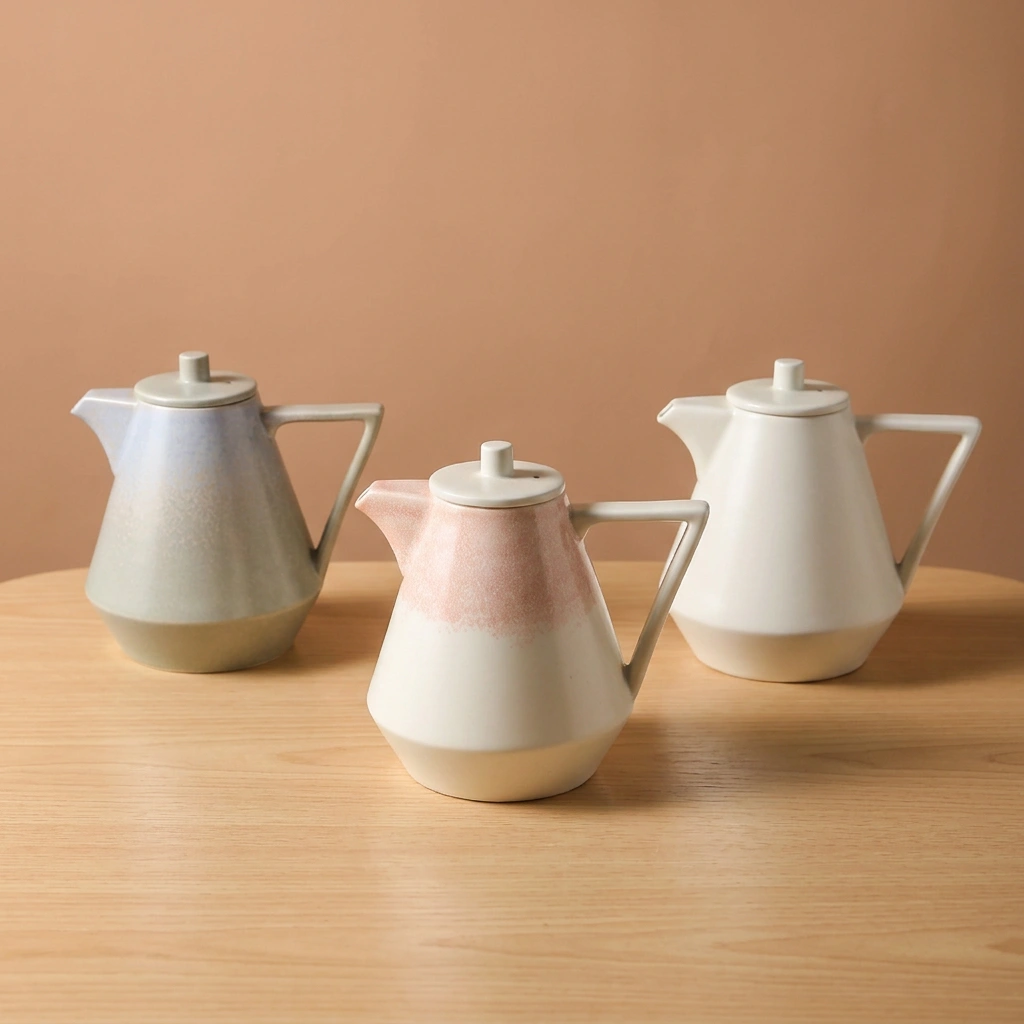
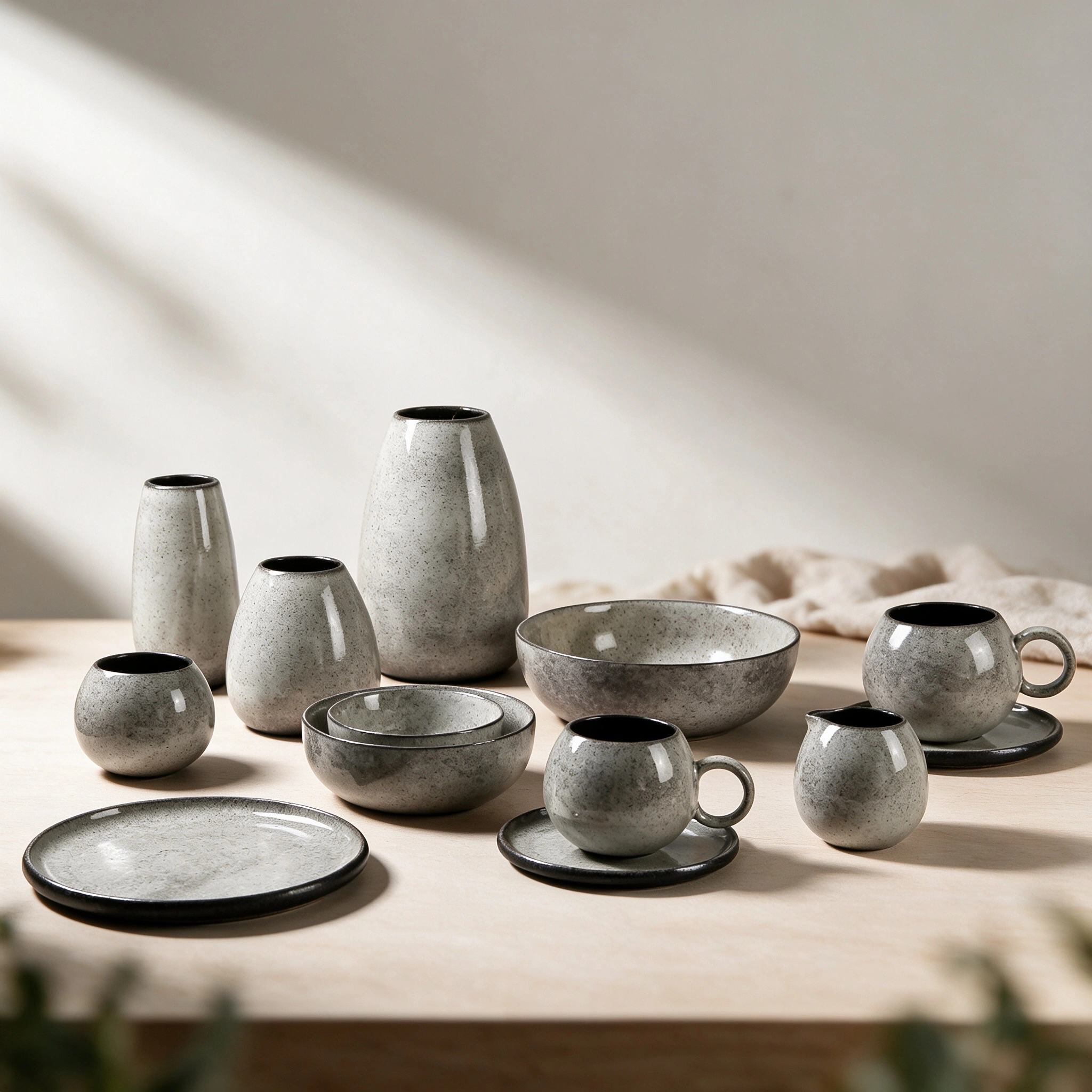
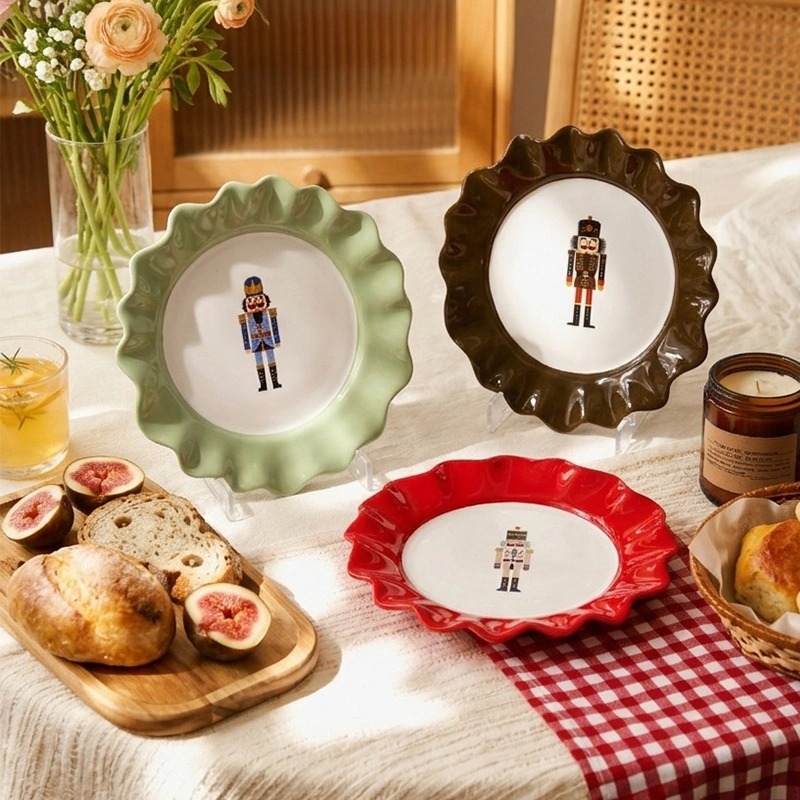
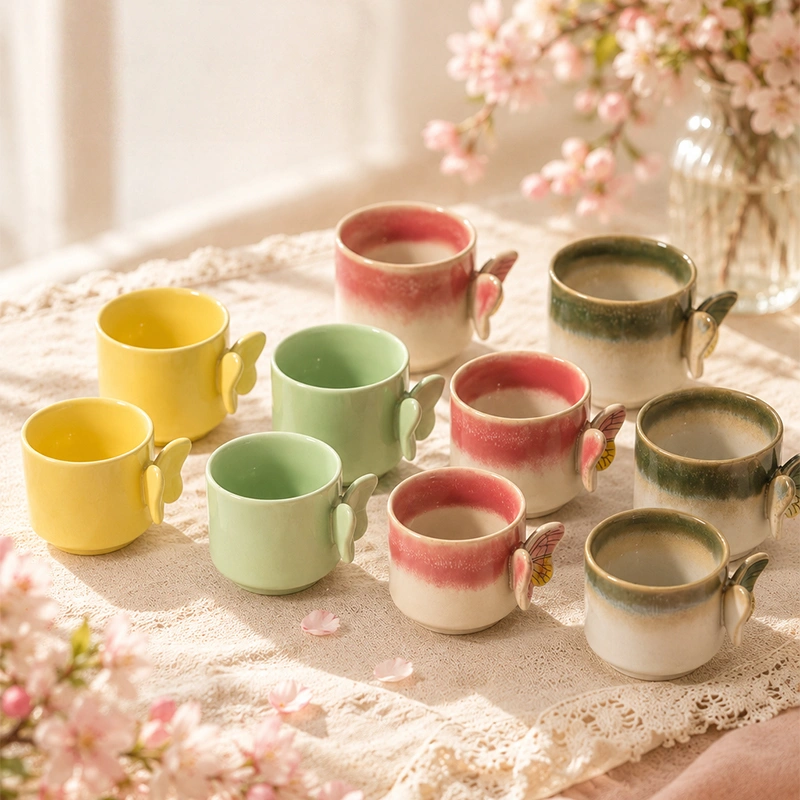
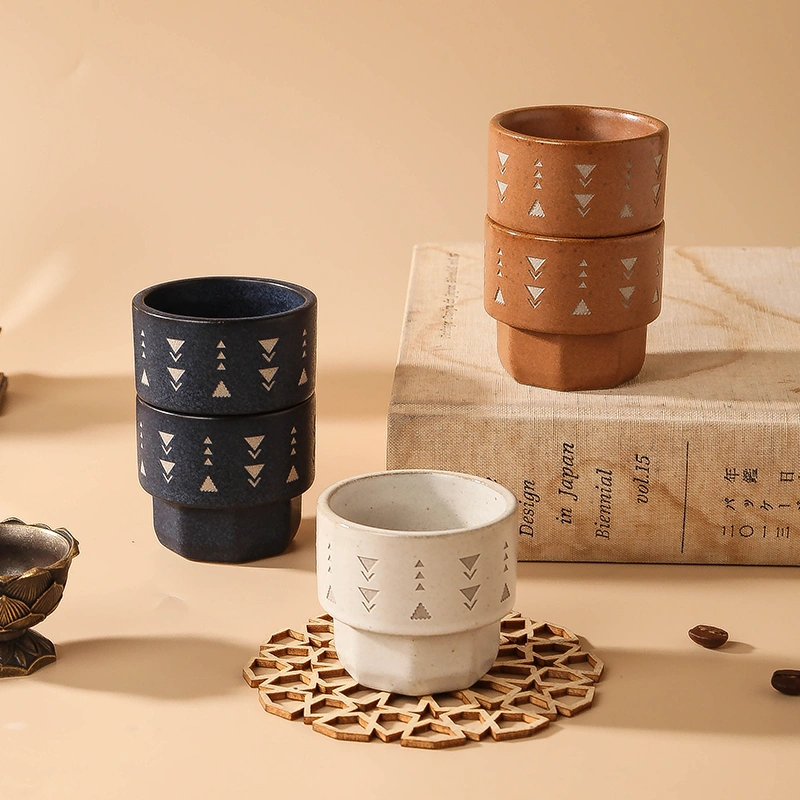
Matcha has evolved from a traditional Japanese tea into a global lifestyle trend. As matcha cafés, specialty beverage brands, and wellness-focused retailers continue to grow, the matcha bowl, traditionally known as a chawan, has become more than a functional piece of tableware. It is also an important part of the brand experience.
For brands developing their own matcha products, choosing the right bowl requires more than simply selecting an attractive shape. Size, material, glaze, functionality, customization, and target market all need to work together. Whether you are sourcing a ceramic matcha bowl for a café or developing a signature product collection, the right design can strengthen your brand identity and customer experience.
Here are the key factors to consider when choosing the right matcha bowl for your brand.
1. Start With Your Brand Positioning
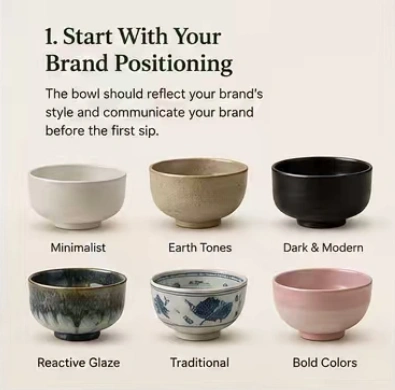
Before choosing a bowl, define the image you want your brand to communicate. Different matcha bowl designs can create very different brand impressions.
- Minimalist white or cream: Clean, modern, and premium
- Natural earth tones: Handmade, organic, and wellness-focused
- Dark green or black: Sophisticated, contemporary, and Japanese-inspired
- Speckled or reactive glaze: Artisan and handcrafted
- Traditional Japanese patterns: Authentic and cultural
- Bold colors: Young, trendy, and social-media friendly
For example, a premium matcha café may prefer a simple matte bowl with subtle glazing, while a lifestyle brand targeting younger consumers may choose a more colorful and distinctive design.
The bowl should visually communicate your brand before the customer even tastes the matcha.
When selecting a Japanese matcha bowl for commercial use, brands should also consider whether the design fits their existing tableware, packaging, logo, and overall visual identity.
2. Choose the Right Shape and Size
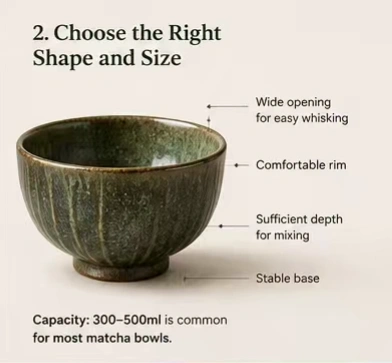
A good matcha bowl needs to balance appearance with usability. The shape should provide enough space for whisking while remaining comfortable to hold.
A practical matcha tea bowl typically has:
- A relatively wide opening
- A stable base
- Sufficient depth for whisking
- A comfortable rim
- Enough interior space for matcha and water
The wide shape allows the bamboo whisk to move freely and helps create a smooth layer of foam. A stable base is also important for cafés and restaurants where bowls may be used frequently throughout the day.
For commercial matcha products, 300–500 ml is a practical capacity range for many serving styles, although the ideal size depends on the intended use and target market.
When developing a custom matcha bowl, brands should consider more than its appearance. The bowl should be easy to hold, whisk, pour from, clean, store, and package.
For cafés and hospitality businesses, stackability and carton protection can also be important considerations when selecting a design for larger orders.
3. Consider the Ceramic Material
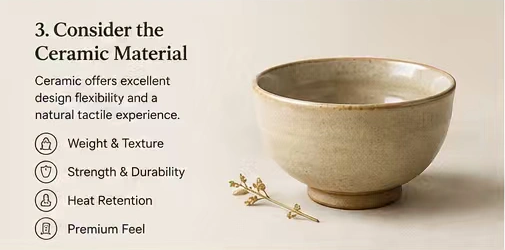
Ceramic remains one of the most popular materials for a matcha bowl because it offers excellent design flexibility and a natural tactile experience.
Different ceramic bodies can affect:
- Peso
- Durabilidade
- Textura
- Glaze performance
- Surface finish
- Overall tactile experience
For B2B brands, it is important to discuss the intended usage with the fabricante de cerâmica before selecting the ceramic body.
For cafés and restaurants, durability, comfortable handling, and consistent production may be more important than an extremely delicate handcrafted appearance. For retail or gift collections, visual details, surface texture, and tactile quality may have greater importance.
A reliable matcha bowl manufacturer should also be able to recommend a suitable ceramic body based on the product’s intended application, production volume, glaze requirements, and target price point.
4. Pay Attention to the Glaze
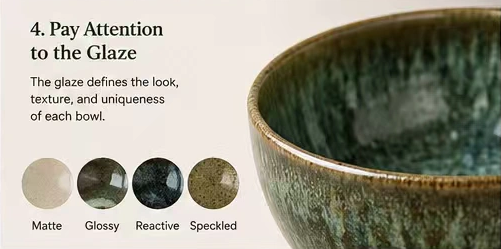
The glaze is one of the most important visual elements of a ceramic matcha bowl. It can significantly influence the color, texture, and overall character of the finished product.
Matte Glaze
A matte glaze creates a soft, modern, and minimalist appearance. It works particularly well for premium lifestyle brands and contemporary cafés.
Glossy Glaze
A glossy glaze provides a cleaner and brighter finish and can make colors appear more vivid. It is suitable for brands looking for a polished and commercial appearance.
Esmalte reativo
Reactive glaze creates natural variations in color and texture, giving each bowl an artisan appearance. It can be particularly effective for brands seeking a handmade aesthetic.
Speckled Glaze
Speckled glaze works well with natural, Japanese-inspired, and contemporary designs. It can add visual texture without requiring complex decoration.
When developing a branded collection, glaze consistency is especially important. For large-volume orders, consistent glaze color and surface finish across production batches are essential for maintaining product quality and brand consistency.
An experienced matcha bowl manufacturer should have a clear glaze development and quality control process to help ensure that approved samples and mass-produced bowls remain visually consistent.
5. Think About Your Target Market
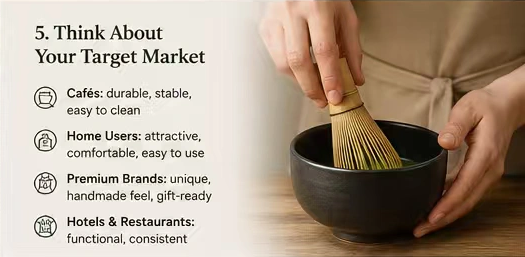
The right matcha bowl depends heavily on who you are selling to. Different customers have different expectations for size, appearance, durability, and price.
For Specialty Cafés
Prioritize:
- Comfortable whisking
- Durable ceramic construction
- Stable shape
- Easy cleaning
- Consistent production
- Efficient storage
A matcha bowl for cafés should be practical enough for frequent commercial use while still matching the visual identity of the café.
For Home Consumers
Prioritize:
- Attractive appearance
- Comfortable handling
- Giftability
- Social-media appeal
- Easy-to-use size
For retail products, distinctive glaze effects, unique shapes, and coordinated packaging can help a Japanese matcha bowl stand out in a competitive market.
For Premium Lifestyle Brands
Consider:
- Unique shapes
- Custom glaze colors
- Handmade-style finishes
- Premium packaging
- Brand-specific design details
A premium brand may benefit from developing a signature bowl rather than using a standard product available from multiple suppliers.
For Hotels and Restaurants
Functionality, durability, production consistency, and shipping protection usually become more important for hotel and restaurant projects.
Understanding the target market before product development can help brands avoid selecting a design that looks attractive but does not perform well in its intended application.
6. Match the Bowl With Your Packaging
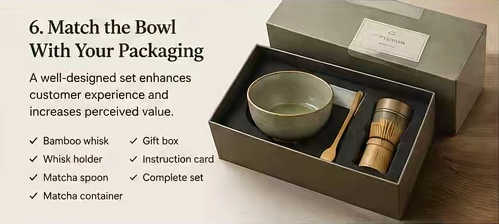
A matcha bowl is often sold as part of a larger product experience. For brands, the bowl should not be designed separately from the overall packaging and product presentation.
Consider combining the bowl with:
- Bamboo whisk
- Whisk holder
- Matcha spoon
- Matcha container
- Gift box
- Instruction card
A well-designed set can significantly increase the perceived value of the product.
For example, a natural ceramic bowl paired with bamboo accessories and kraft-style packaging can create a strong Japanese tea ritual concept. Meanwhile, a dark ceramic bowl with gold details and premium packaging can create a more luxurious positioning.
For brands developing a complete matcha collection, a custom matcha bowl can be coordinated with accessory colors, packaging materials, logos, and other visual elements to create a consistent product identity.
7. Don’t Ignore Customization
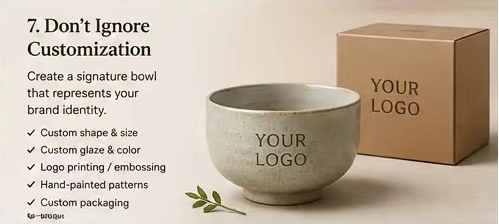
For brands ordering directly from a ceramic manufacturer, customization can help create a stronger product identity and differentiate the product from mass-market alternatives.
Possible customization options include:
- Custom bowl shape
- Custom dimensions
- Custom glaze color
- Impressão de logótipos
- Embossed logo
- Hand-painted patterns
- Custom rim decoration
- Custom packaging
- Complete matcha accessory sets
Instead of simply adding a logo to an existing product, brands can consider developing a signature bowl shape or glaze finish.
This approach can make the product more recognizable and help create a stronger connection between the tableware and the overall brand.
For example, a brand may develop a specific bowl profile, glaze color, or rim detail that becomes part of its signature product collection.
For businesses purchasing in larger quantities, discussing wholesale matcha bowl requirements with the manufacturer at the development stage can also help balance design, production feasibility, MOQ, and target cost.
8. Consider MOQ and Production Capability
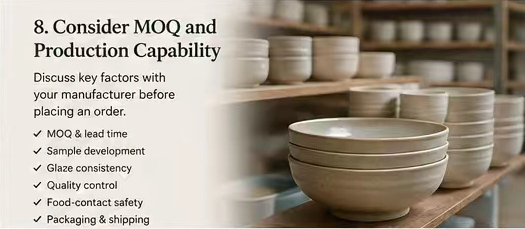
A beautiful design is only valuable if it can be produced consistently at a commercially viable cost.
Before placing an order, brands should discuss:
- MOQ
- Sample development
- Aprovação da amostra
- Production lead time
- Glaze consistency
- Decoration options
- Packaging requirements
- Quality control
- Food-contact safety
- Shipping and carton protection
For new brands, it is often better to begin with a manageable MOQ, test customer response, and then scale production based on actual demand.
During the sampling stage, brands should also confirm key details such as bowl dimensions, capacity, glaze appearance, logo placement, packaging, and acceptable production tolerances.
Working with an experienced matcha bowl manufacturer can make this development process more efficient and reduce the risk of inconsistencies during mass production.
9. Choose a Manufacturer That Can Support Product Development
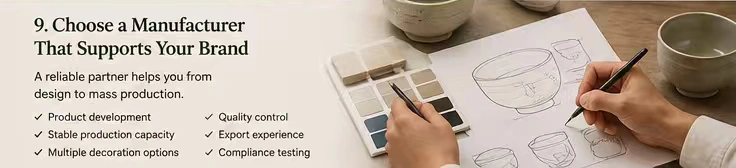
For B2B brands, selecting the right matcha bowl manufacturer is just as important as selecting the right bowl.
A reliable manufacturer should be able to support the process from design development to mass production. This is especially important for brands developing custom ceramic products because the final result depends on more than the initial design concept.
Ideally, the manufacturer should have:
- Professional product development capabilities
- Experienced ceramic engineers
- Capacidade de produção estável
- Multiple glazing and decoration options
- Quality control procedures
- Experiência em exportação
- Food-contact compliance testing
- Custom packaging capabilities
For brands developing a custom matcha bowl, working directly with a capable ceramic manufacturer can make communication, sampling, production, and quality control more efficient.
It also allows brands to discuss design feasibility before committing to large-scale production.
Conclusão
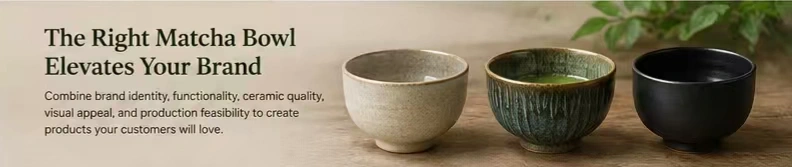
Choosing the right matcha bowl is not simply about finding a bowl that looks beautiful. The best bowl should combine brand identity, functionality, ceramic quality, visual appeal, customization, and production feasibility.
For brands entering the growing matcha market, a well-designed bowl can become more than tableware—it can become part of the brand’s visual identity and customer experience.
Whether you are developing a minimalist café collection, a premium matcha gift set, or a complete private-label matcha line, working with an experienced ceramic manufacturer can help transform your ideas into finished products.
Looking for a Custom Matcha Bowl for Your Brand?
From bowl shape and glaze development to logo decoration and packaging, Cerâmica Qingfa can support brands through the development and production of custom matcha bowls. With professional ceramic manufacturing capabilities and experience in product development, Qingfa can help turn your matcha tableware concept into a commercially viable product designed for your target market.