Ao adquirir produtos para vasos de cerâmica, os compradores deparam-se frequentemente com diferentes descrições de materiais, tais como grés, porcelana, e cerâmica.
Embora estes termos sejam por vezes utilizados indistintamente, diferem significativamente em termos de aspeto, durabilidade, textura e posicionamento no mercado.
Compreender estas diferenças é essencial para escolher o vaso de cerâmica adequado ao seu mercado-alvo.
1. O que é um vaso de cerâmica normal?
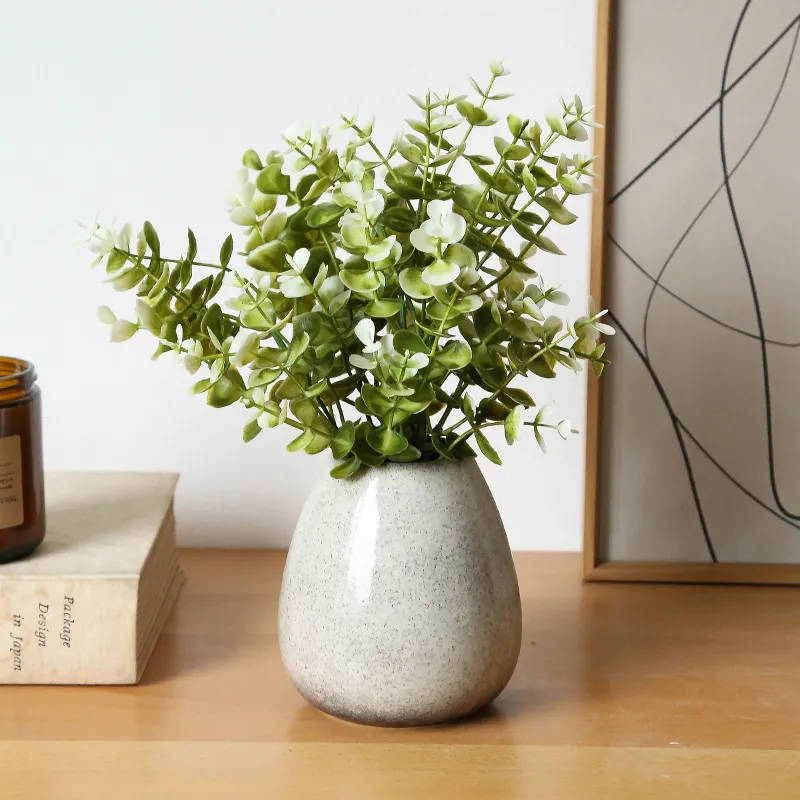
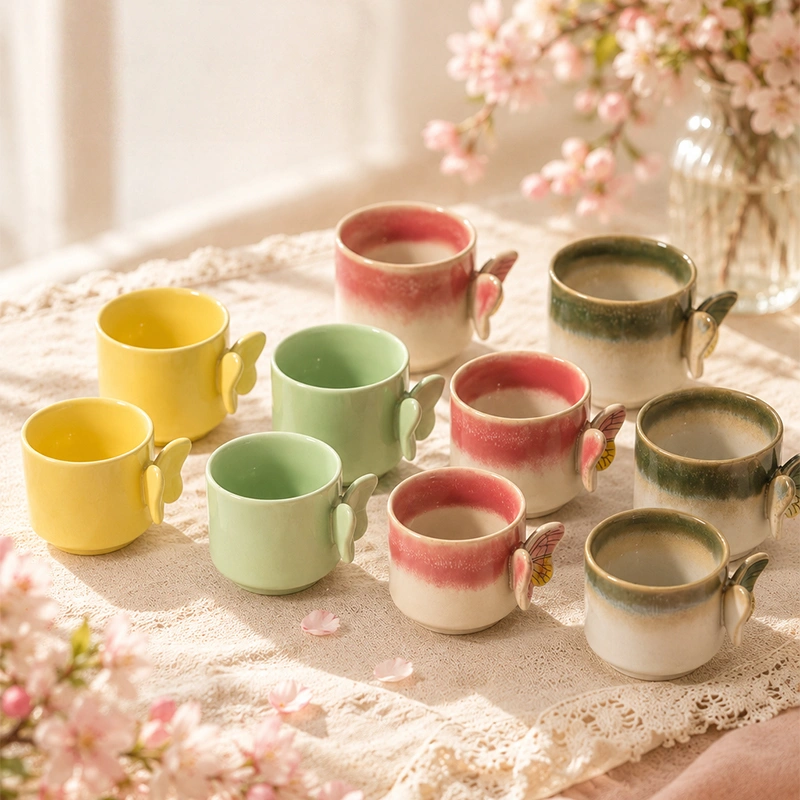
“Vaso de cerâmica” é uma categoria vasta que inclui muitos tipos de produtos decorativos à base de barro.
As jarras de cerâmica normais são normalmente:
- Acessível
- Fácil de produzir em massa
- Disponível em vários estilos e cores
Vantagens:
- Rentável para compras de grandes volumes
- Possibilidades de conceção flexíveis
- Adequado para utilização decorativa quotidiana
Aplicações comuns:
- Decoração de casa
- Decoração sazonal
- Linhas de produtos promocionais ou económicas
No entanto, os produtos cerâmicos normais podem ter:
- Menor densidade
- Maior absorção de água
- Durabilidade reduzida em comparação com os materiais de qualidade superior
2. O que é uma jarra de cerâmica de grés?
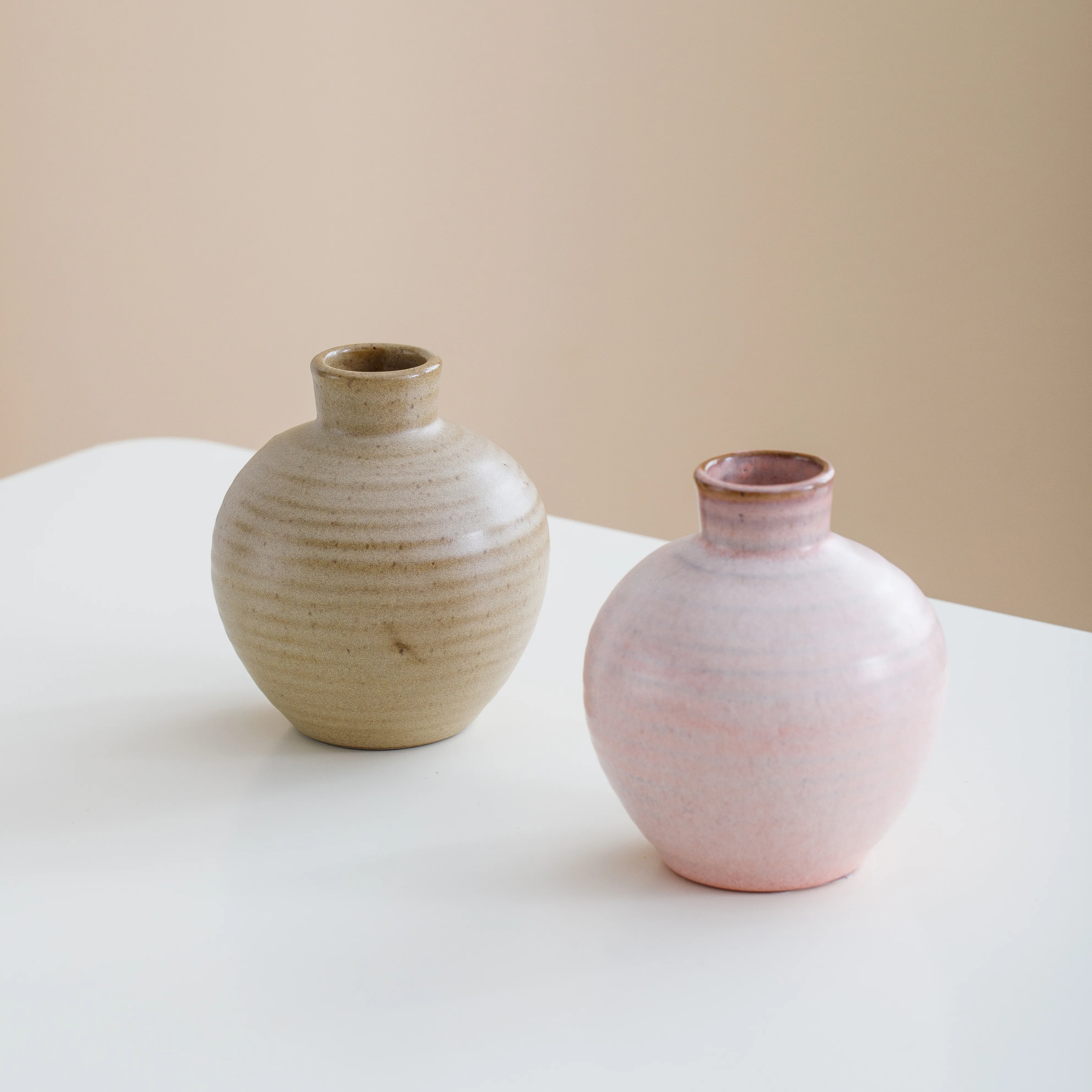
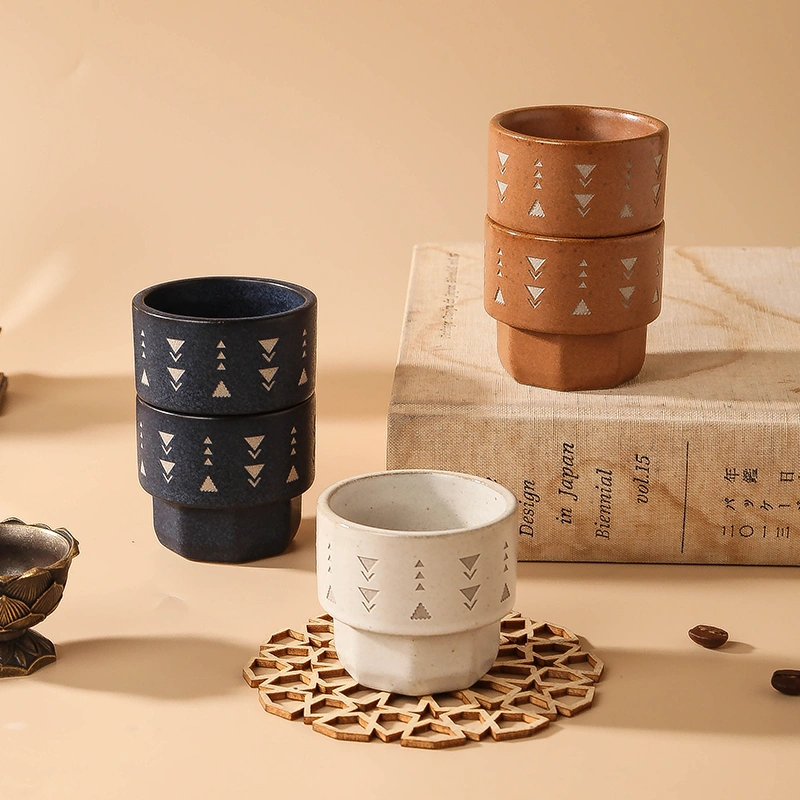
O grés é um material cerâmico mais denso e durável, cozido a temperaturas mais elevadas.
Caraterísticas principais:
- Estrutura forte e duradoura
- Aspeto natural e artesanal
- Acabamentos populares mate e texturados
Porque é que os compradores escolhem o grés:
- Estilo artesanal de primeira qualidade
- Maior durabilidade para uma utilização a longo prazo
- Forte atração nos mercados nórdicos e de interiores modernos
As jarras de cerâmica em grés são especialmente populares entre os consumidores:
- Marcas de decoração para casa
- Retalhistas de estilo de vida
- Projectos de cafetaria e hotelaria de alta gama
3. O que é um vaso de porcelana?
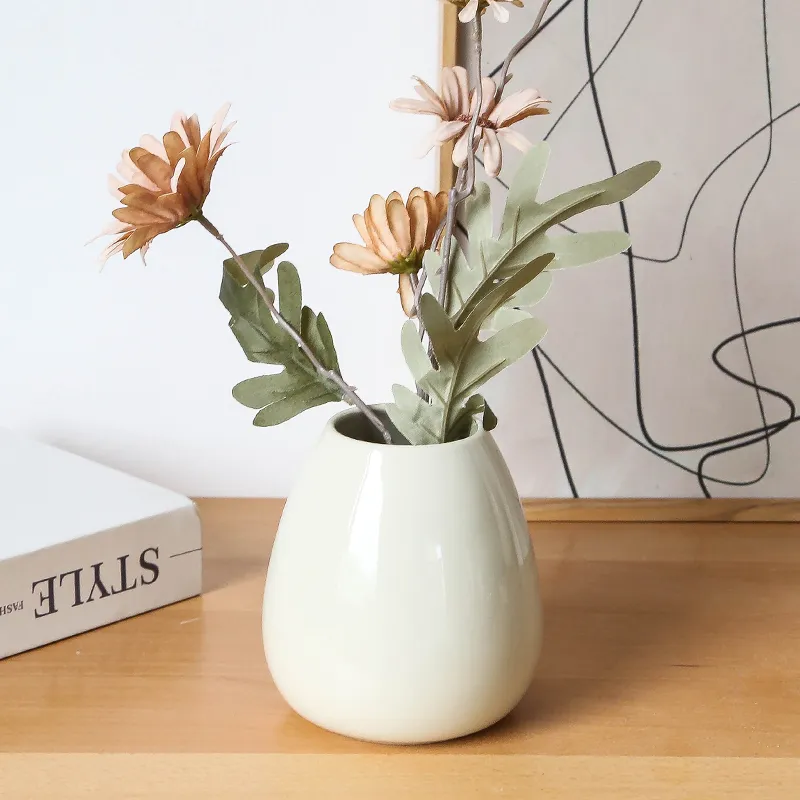
A porcelana é considerada um dos materiais cerâmicos mais refinados.
Caraterísticas:
- Superfície lisa e elegante
- Textura fina e sensação de leveza
- Elevada brancura e translucidez
Vantagens:
- Aparência de luxo
- Excelente qualidade de acabamento
- Ideal para colecções decorativas de qualidade superior
Os vasos de porcelana são normalmente utilizados em..:
- Decoração de luxo para a casa
- Presentes de alta qualidade
- Colecções de arte e decoração
No entanto, os produtos de porcelana são normalmente:
- Mais caro
- Mais delicado durante o transporte
4. Principais diferenças num relance
| Material | Aparência | Durabilidade | Custo | Posição no mercado |
|---|---|---|---|---|
| Cerâmica normal | Versátil | Moderado | Inferior | Mercado de massas |
| Grés | Texturizado e natural | Elevado | Médio | Premium moderno |
| Porcelana | Suave e elegante | Moderado | Mais alto | Mercado de luxo |
5. Qual o material do vaso de cerâmica que deve escolher?
A escolha certa depende da sua:
- Grupo de clientes-alvo
- Estratégia de preços
- Posicionamento da conceção
- Canal de vendas
Recomendações gerais:
- Retalho económico → Cerâmica normal
- Marcas artesanais modernas → Grés
- Decoração de luxo → Porcelana
Conclusão
Cada material de vaso de cerâmica oferece vantagens únicas em termos de design, desempenho e atração pelo mercado.
Para os compradores B2B, a compreensão destas diferenças pode ajudar a melhorar as decisões de aprovisionamento, reduzir a inadequação do mercado e reforçar o posicionamento do produto.
Sobre a cerâmica Qingfa
Fundada com décadas de experiência no fabrico de cerâmica, Cerâmica Qingfa é especializada em loiça de cerâmica de alta qualidade e cerâmica decorativa para os mercados globais. Com capacidades de produção avançadas, um controlo de qualidade rigoroso e serviços OEM/ODM flexíveis, a Qingfa fornece soluções fiáveis para grossistas, retalhistas, projectos de hotelaria e marcas de decoração de interiores em todo o mundo.