For importers, wholesalers, retailers, and hospitality suppliers, working with the right ceramic tableware manufacturer is about more than placing an individual order. A successful sourcing relationship should support consistent product supply, evolving market demands, repeat purchases, and long-term business growth.
Ceramic products such as cups, mugs, dinnerware, and kitchenware are widely used across retail, foodservice, hospitality, and household markets. For businesses selling these products, maintaining a well-organized product range and a dependable supply relationship can make a significant difference in daily operations.
Rather than treating every purchase as a separate transaction, B2B buyers can benefit from building a long-term partnership with a ceramic manufacturer that understands their product categories, purchasing plans, and business requirements.
Why Long-Term Supply Partnerships Matter for B2B Buyers
For businesses sourcing ceramic products in bulk, a long-term manufacturing relationship can create greater stability throughout the purchasing process.
Working repeatedly with the same ceramic tableware manufacturer allows buyers and manufacturers to develop a better understanding of product expectations, order procedures, and communication preferences.
Several advantages make long-term partnerships valuable for B2B buyers.
More consistent product planning
When buyers have an established product range, maintaining continuity across repeat orders becomes important. A long-term manufacturing relationship helps both parties coordinate product specifications and purchasing requirements more effectively.
Simplified repeat purchasing
Once product requirements and order details are clearly established, repeat orders can become easier to manage. Buyers can spend less time explaining basic requirements and more time planning inventory and sales.
Better coordination for new product development
As market demand changes, brands and wholesalers may need to introduce new colors, shapes, sizes, or product categories. An ongoing relationship with a ceramic manufacturer can make communication during product development more efficient.
A more stable sourcing strategy
Building relationships with established ceramic dinnerware manufacturers and suppliers can help businesses organize their sourcing plans and maintain a more consistent product offering.
Aligning Ceramic Product Categories with Your Business Needs
Before establishing a long-term partnership, B2B buyers should consider whether a manufacturer’s product range matches their current business and future sales plans.
A ceramic tableware manufacturer may serve several market segments through different product categories. Understanding these categories helps buyers build a product assortment that fits their target customers.
Ceramic Cups and Mugs
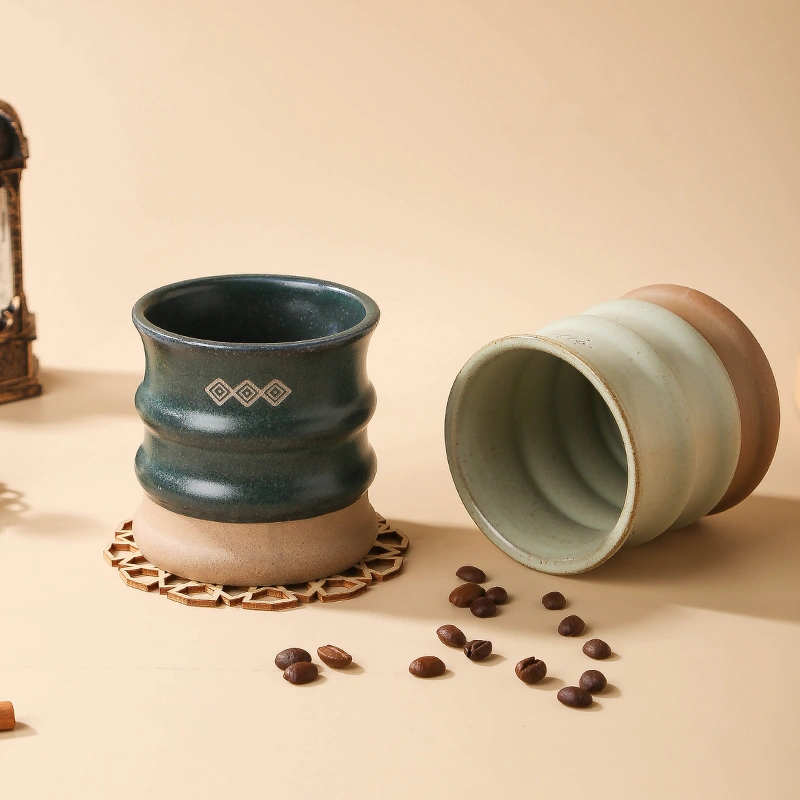

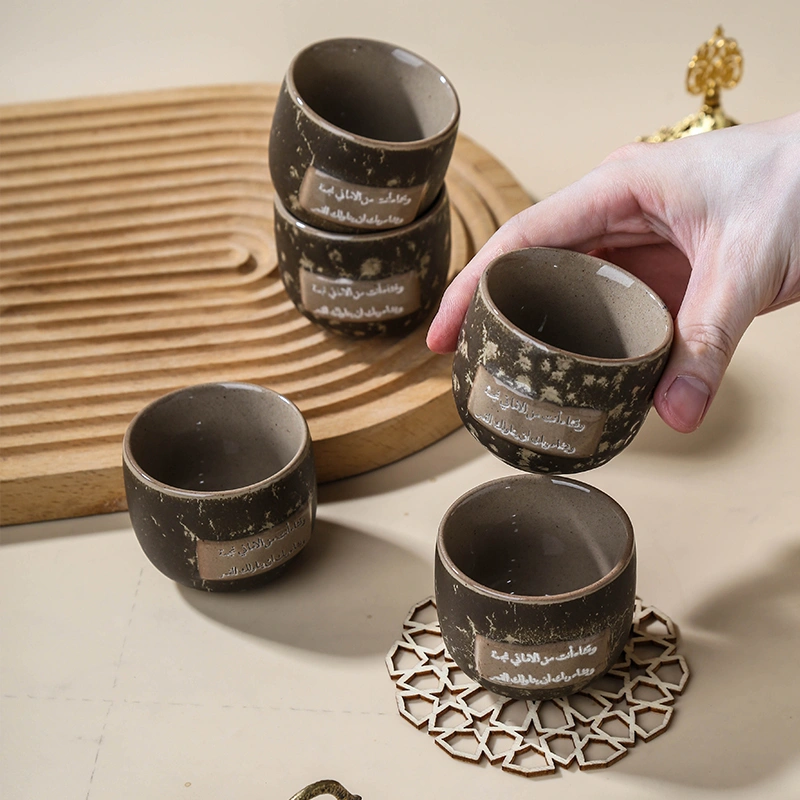
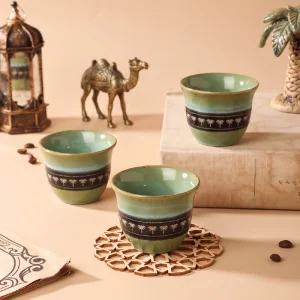
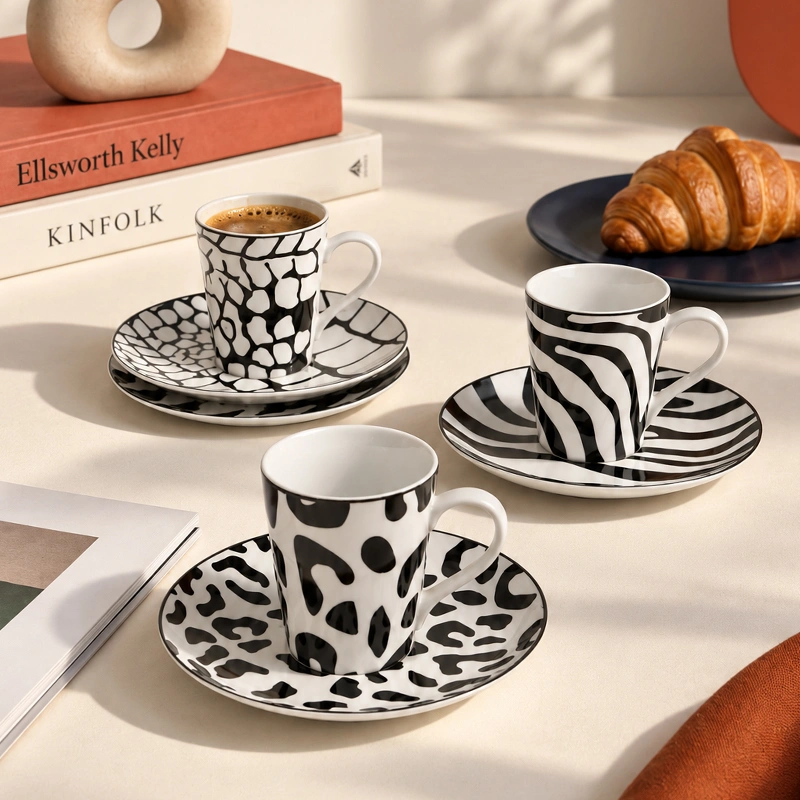
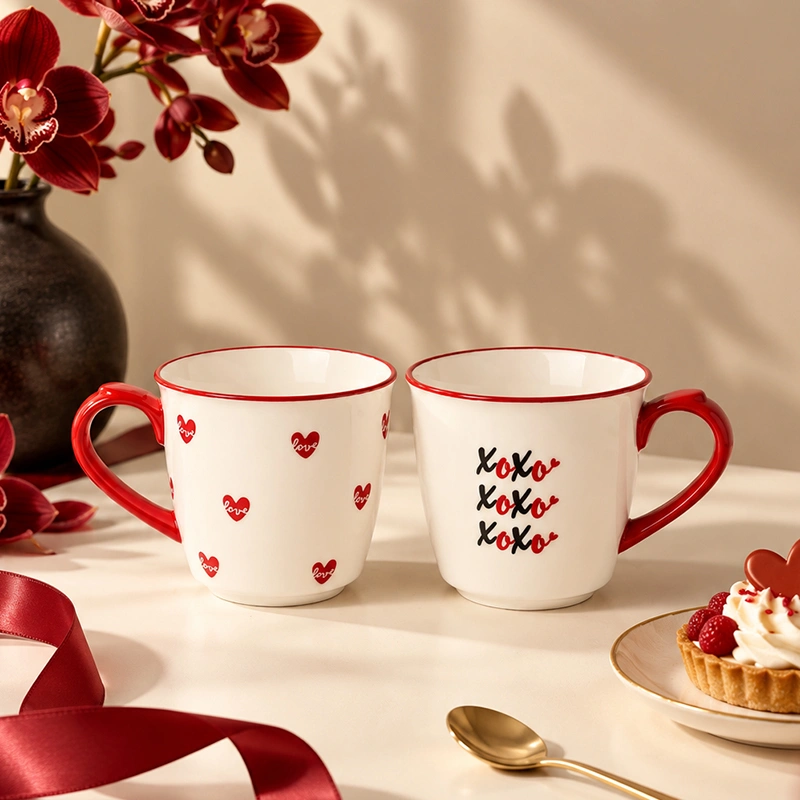
Ceramic cups and mugs are widely used by coffee shops, restaurants, hotels, gift retailers, and household brands. They are also suitable for businesses looking to develop branded drinkware collections.
For wholesale buyers, product selection may involve different shapes, sizes, handle designs, colors, and decoration options. A well-planned cup and mug range can serve different customer preferences while maintaining a consistent product identity.
Ceramic Dinnerware


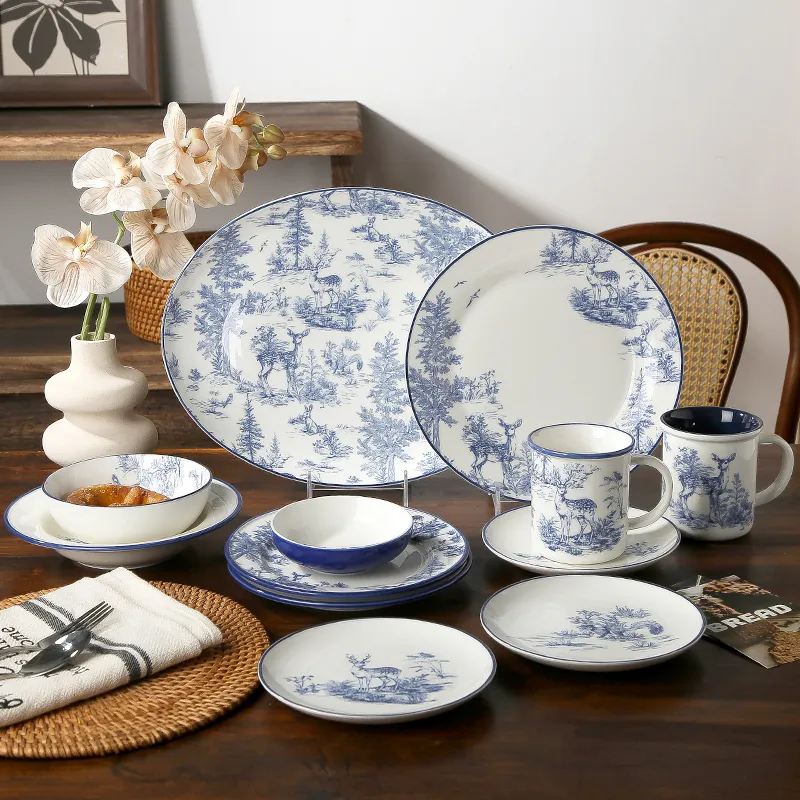
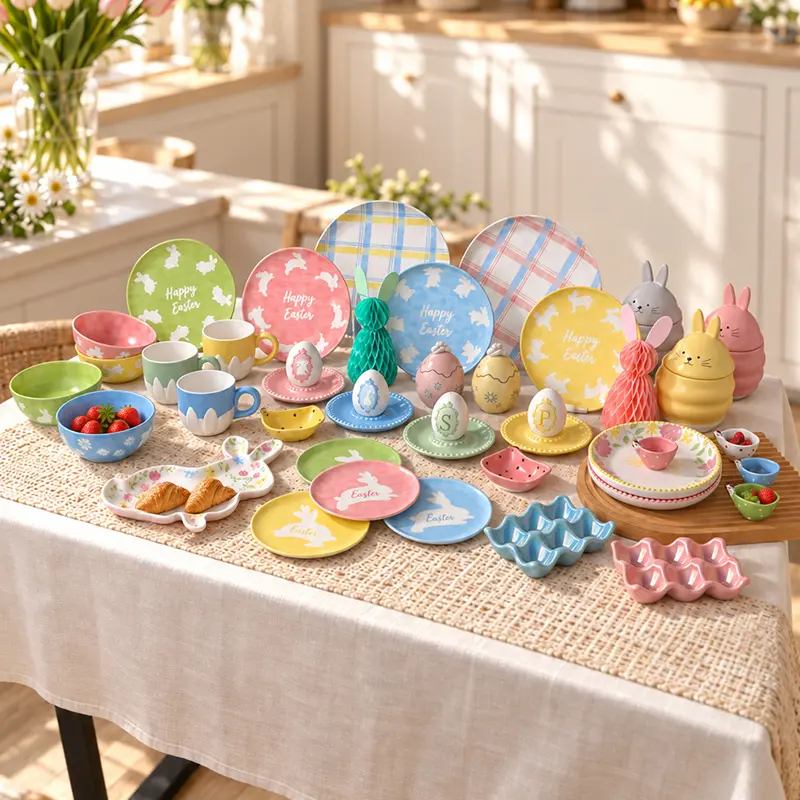
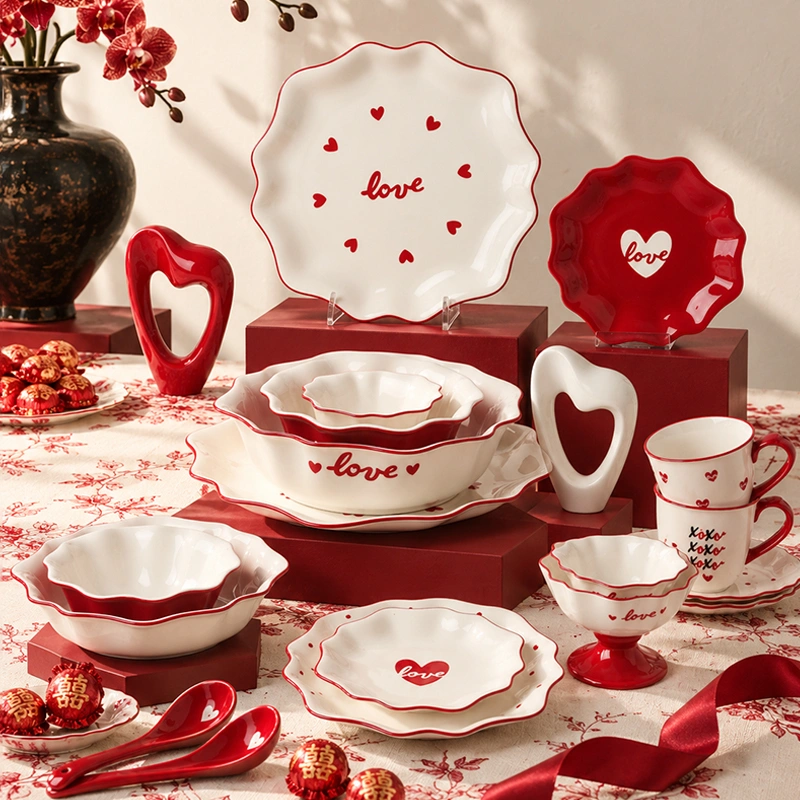
Ceramic dinnerware includes plates, bowls, and other tableware products used in homes, restaurants, hotels, and catering environments.
Importers and wholesalers may source individual items or coordinated dinnerware collections, depending on their sales channels. When planning a product range, buyers should consider how different pieces work together in terms of appearance, intended use, and target market.
Ceramic Kitchenware


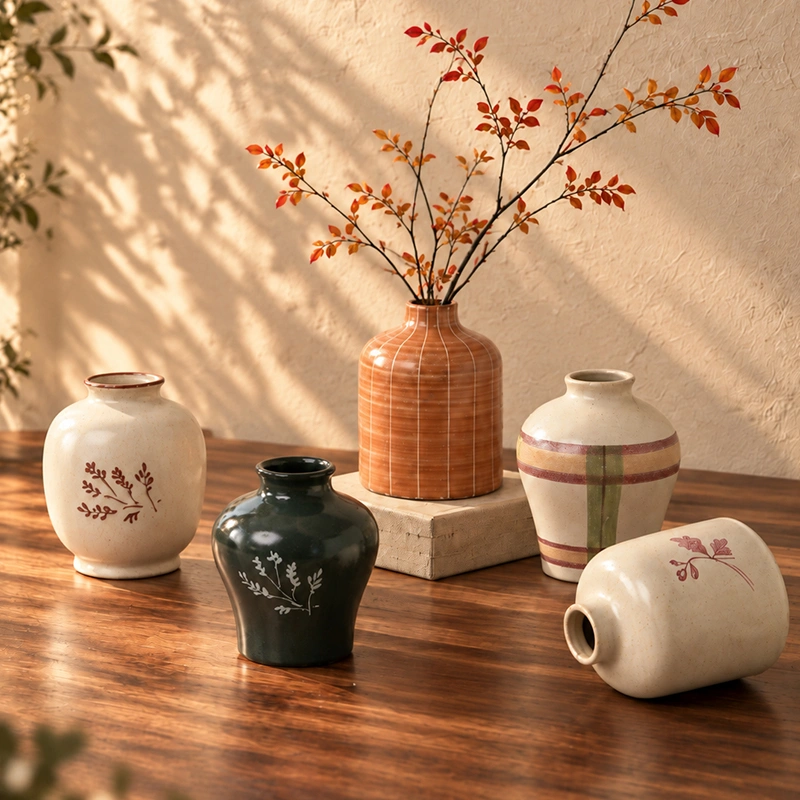
Ceramic kitchenware can complement cups, mugs, and dinnerware collections. Depending on the manufacturer’s available product range, buyers may explore ceramic kitchen products that serve food preparation, storage, serving, or everyday household needs.
For retailers and distributors, sourcing related product categories from a manufacturer with a suitable range can help create a more coordinated ceramic product assortment.
Planning Repeat Orders and Product Assortments
Long-term cooperation requires more than maintaining a list of existing products. Buyers also need a clear approach to product assortment planning and repeat purchasing.
For ceramic product wholesalers and importers, the following practices can help organize ongoing orders.
Identify Core Products
Start by identifying the products that contribute most consistently to your business.
For example, a retailer may focus on ceramic mugs and everyday dinnerware, while a hospitality supplier may prioritize cups, bowls, and plates for restaurants and hotels.
Separating core products from seasonal or experimental items makes purchasing priorities clearer.
Organize Product Specifications
Product specifications should be clearly documented before repeat orders are placed. Relevant details may include:
- Product dimensions and capacity, where applicable
- Ceramic body and finish requirements
- Colors and decoration details
- Packaging requirements
- Carton specifications and shipping arrangements
Clear product records help both buyers and manufacturers refer to the same requirements when discussing future orders.
Plan Inventory and Replenishment
Wholesale businesses need to balance product availability with inventory costs. Buyers should review sales performance, stock levels, seasonal demand, and expected delivery schedules when planning replenishment.
Sharing purchasing forecasts with a ceramic manufacturer can also help both parties coordinate upcoming orders more effectively. Although forecasts do not guarantee production or delivery schedules, they provide a useful starting point for planning.
Maintaining Consistency Across Long-Term Orders
For B2B buyers, product consistency is particularly important when ceramic items are sold as part of an established collection or supplied repeatedly to the same customers.
Differences in product appearance, decoration, or specifications can affect the overall customer experience. This is why repeat-order requirements should be clearly communicated and documented.
Keep Product References and Specifications
Buyers should maintain reference samples, product drawings, approved images, and specification records whenever possible.
These materials provide a reference for future discussions and help clarify expectations before a repeat order is confirmed.
Confirm Decoration and Finish Requirements
For decorated ceramic products, buyers should pay attention to the details that define the product’s appearance, including color, printing, patterns, and surface finish.
When ordering products for a coordinated collection, it is especially important to communicate whether new items should follow the visual style of existing products.
Discuss Changes Before Reordering
Material, design, packaging, or specification changes should be discussed before a new order is confirmed.
A ceramic tableware manufacturer and its B2B customers should establish a clear communication process for reviewing changes and confirming the final requirements.
It is also important to understand that ceramic production involves manufacturing processes in which some natural variations may occur. Buyers should agree on acceptable product standards and inspection requirements in advance.
Managing OEM and ODM Projects Over Time
For brands and importers developing their own ceramic product lines, OEM and ODM cooperation can be an important part of a long-term manufacturing relationship.
Rather than treating each custom project as an isolated order, businesses can organize product development around a broader brand and product strategy.
Develop Products Around Your Brand Positioning
Before starting an OEM or ODM ceramic project, buyers should define their target customers, intended sales channels, product positioning, and design preferences.
For example:
- A coffee brand may develop a coordinated collection of ceramic mugs and cups.
- A homeware retailer may introduce matching plates, bowls, and other dinnerware.
- A hospitality supplier may source ceramic products that complement the overall dining environment.
A clear product direction helps manufacturers understand the intended market and discuss suitable product development options.
Coordinate Design and Decoration Requirements
OEM and ODM projects may involve product shapes, dimensions, colors, patterns, logos, and packaging.
Buyers should provide clear design references and confirm important details before production begins. For projects involving multiple products, it is also useful to establish a consistent design direction across the collection.
Consider Packaging as Part of Product Development
Packaging plays an important role in ceramic product distribution because products need suitable protection during storage and transportation.
For retail brands, packaging may also contribute to product presentation and brand recognition. Buyers should discuss packaging requirements early, including individual product protection, carton arrangements, and any branding elements required for the target market.
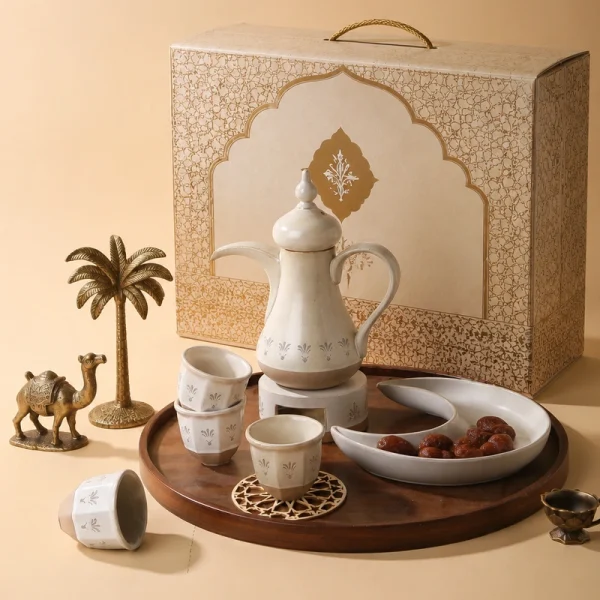
Building a Stable Supply Relationship with a Ceramic Tableware Manufacturer
A long-term B2B partnership depends on clear communication and realistic expectations from both sides.
In addition to product requirements, buyers and manufacturers should establish practical procedures for managing orders and ongoing cooperation.
1. Communicate purchasing plans clearly
Share expected order quantities, target delivery periods, product categories, and any seasonal purchasing requirements as early as possible.
2. Confirm order details before production
Review product specifications, quantities, packaging, approved samples, and other important requirements before confirming an order.
3. Maintain regular communication
Both parties should have a clear way to discuss order progress, specification questions, and potential changes.
4. Review cooperation after each order
Feedback from each purchasing cycle can help identify opportunities to improve product selection, packaging arrangements, and order coordination.
5. Plan future product development
As a business grows, its product assortment may need to expand. Discussing future product plans with a manufacturing partner can help both sides prepare for new opportunities.
For importers, wholesalers, and retailers, a reliable ceramic tableware manufacturer should be more than an individual product supplier. The relationship should support the business as its purchasing needs and product assortment evolve.
FAQs About Working with Ceramic Tableware Manufacturer
What should B2B buyers consider when choosing a ceramic tableware manufacturer?
B2B buyers should consider whether the manufacturer’s product range matches their business needs, as well as its ability to communicate product requirements, coordinate repeat orders, support relevant OEM or ODM projects, and manage ongoing supply arrangements.
What ceramic products can wholesalers source from manufacturers?
Depending on the manufacturer’s product range, wholesalers may source ceramic cups, mugs, plates, bowls, dinnerware collections, and kitchenware. Buyers should confirm available categories and product options directly with the manufacturer.
Why is product consistency important for repeat ceramic orders?
Consistent product specifications and appearance help wholesalers, retailers, and brands maintain a recognizable product range. Clear documentation, approved references, and communication before repeat orders can help reduce misunderstandings.
What is the difference between OEM and ODM ceramic manufacturing?
OEM generally involves manufacturing products according to the buyer’s designs or specifications. ODM typically involves the manufacturer providing product design or development support. The exact scope depends on the project and the cooperation agreement.
How can importers build long-term relationships with ceramic manufacturers?
Importers can build stronger relationships by communicating purchasing forecasts, documenting product specifications, confirming order details, providing feedback, and discussing future product development plans.
Conclusion
Building a long-term relationship with a ceramic tableware manufacturer can help importers, wholesalers, retailers, and hospitality suppliers manage repeat orders, organize product assortments, and coordinate new product development more effectively.
The most valuable manufacturing partnerships are built on clear product requirements, consistent communication, realistic purchasing plans, and a shared understanding of long-term business goals.
For businesses sourcing ceramic cups, mugs, dinnerware, and kitchenware, choosing a manufacturing partner whose product range aligns with their market can provide a more organized foundation for sustainable B2B growth.
About Qingfa Ceramic
Qingfa Ceramic is a ceramic products manufacturer serving global business customers. Its product range includes ceramic cups and mugs, dinnerware, and kitchenware for different market applications.
With a focus on B2B cooperation, Qingfa works with importers, wholesalers, retailers, and brands looking for ceramic product sourcing and manufacturing solutions. Whether you are developing a new product collection or planning ongoing wholesale orders, Qingfa welcomes inquiries from businesses seeking a ceramic manufacturing partner.