Choosing the right mug handle is about more than appearance. Different mug handle types affect grip comfort, product style, usability, and manufacturing feasibility. For coffee brands, retailers, hospitality suppliers, and private label businesses, understanding handle shapes can help create ceramic mugs that meet customer expectations while remaining suitable for consistent bulk production.
From classic C-shaped handles to modern geometric designs, each option offers different advantages. When developing custom ceramic mugs, buyers should evaluate handle proportions, finger clearance, attachment strength, and the relationship between the handle and the cup body before approving a design for mass production. Comparing different mug handle types early in product development can also help brands balance visual differentiation with practical requirements.
Why Mug Handle Types Matter for Ceramic Brands
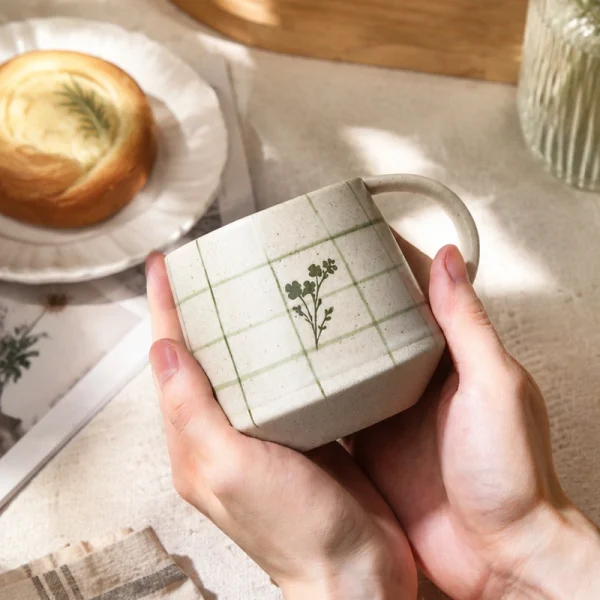
The handle is one of the most noticeable functional features of a ceramic mug. It influences how customers hold the cup, how the product looks on a retail shelf, and how well the design fits a brand’s positioning.
For B2B buyers, choosing appropriate mug handle types can support several business goals.
Improving Grip Comfort and Everyday Usability
A well-designed handle should provide enough space for the intended grip and feel balanced when the mug contains a beverage. Finger clearance, handle thickness, curvature, and the distance between the handle and the cup body all contribute to the user experience.
For brands developing an ergonomic mug, the goal is not simply to make the handle larger. Its shape and proportions should work with the mug’s capacity, weight, and intended use. Physical sample testing is especially valuable when selecting a handle for everyday coffee mugs or hospitality products.
Strengthening Product Style and Brand Identity
Handle design can influence whether a mug looks traditional, minimalist, playful, or contemporary. A rounded handle may complement a classic coffee mug, while an angular design can create a more modern appearance.
For private label brands and retailers, handle selection is one way to differentiate a product collection. When combined with ceramic body shapes, surface finishes, colors, and decoration methods, the handle can contribute to a recognizable product style.
Supporting Consistent Ceramic Mug Manufacturing
A handle must also work within the ceramic production process. Its shape, thickness, attachment points, and proportions can affect forming, drying, firing, and finished-product inspection.
When sourcing from a ceramic mug manufacturer, buyers should consider not only whether a design looks attractive in a drawing but also whether it can be reproduced consistently in bulk production. Reviewing prototypes and confirming specifications before mass production can help reduce avoidable quality issues.
Common Types of Mug Handles and Their Design Features
The main types of mug handles differ in shape, opening size, grip style, and visual character. Understanding these differences helps wholesale buyers and product developers narrow down suitable designs for their target markets. When comparing mug handle types, buyers should consider both the appearance of each shape and how it performs in everyday use.

C-Shaped Handles
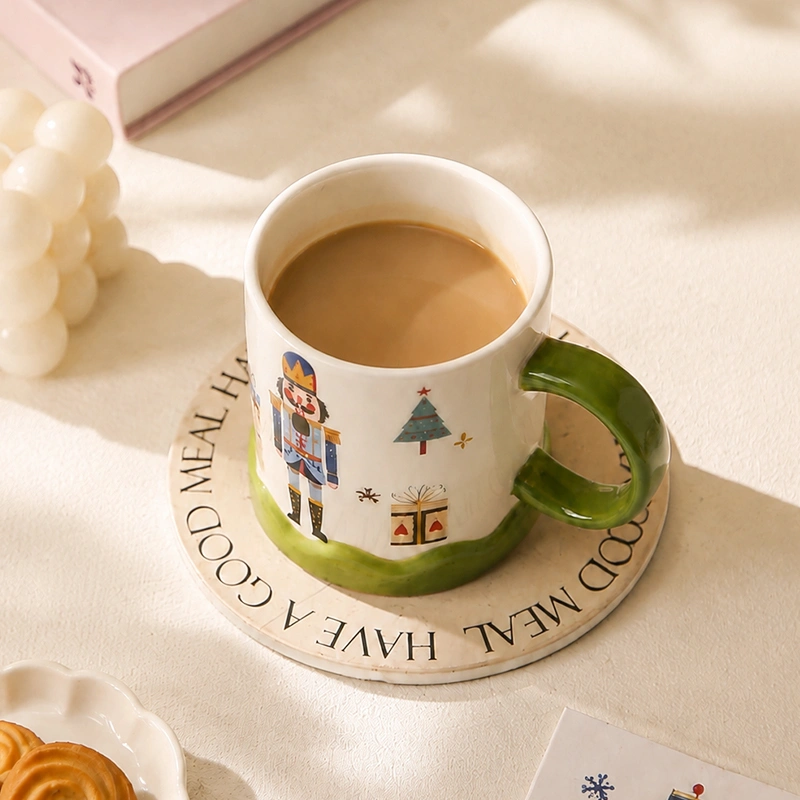
C-shaped handles are among the most familiar designs for ceramic coffee mugs. Their curved profile creates a simple, recognizable appearance and can provide a comfortable grip when the opening is appropriately proportioned.
Potential advantages:
- A versatile shape for everyday coffee and tea mugs
- A familiar appearance that suits many retail and hospitality collections
- Flexible styling options, from slim curves to broader profiles
For custom ceramic mugs, the opening should provide adequate finger clearance without making the handle appear disproportionate to the cup body. Buyers should evaluate the actual sample rather than relying only on a product drawing.
Rounded and Oval Handles
Rounded and oval handles use softer contours to create a smooth, approachable appearance. Depending on their proportions, they can suit classic, minimalist, or contemporary ceramic drinkware.
A rounded handle may be a good choice for brands seeking a softer design language. However, a very narrow opening may limit finger movement, while an overly large handle may affect the mug’s visual balance.
For OEM ceramic mugs, handle dimensions should be considered alongside cup capacity, body width, and overall product weight. This helps ensure that the final design looks cohesive and performs well in everyday use.
Angular and Geometric Handles
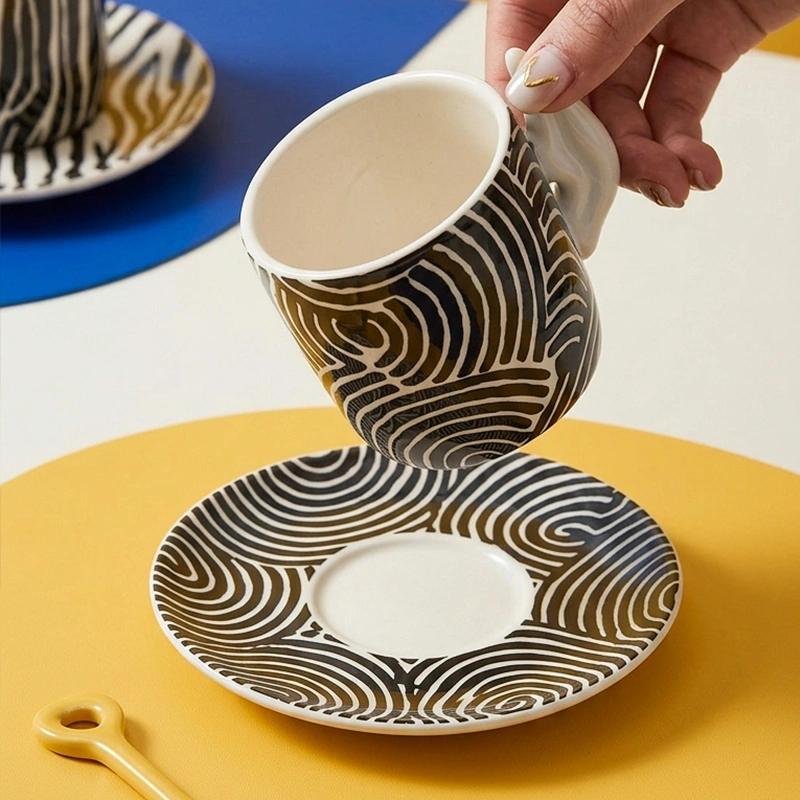
Angular and geometric handles feature straighter edges, defined corners, or unconventional silhouettes. They can give a ceramic mug a distinctive appearance, making them suitable for modern tableware collections, design-led gift products, and selected private label ranges.
These designs may require closer attention to corner transitions, handle thickness, and the connection between the handle and cup body. Sharp-looking geometry should not automatically mean uncomfortable edges or an awkward grip.
For buyers developing a custom ceramic mug collection, sample evaluation can help determine whether a geometric handle balances visual differentiation with practical usability and production requirements.
Wide and Oversized Handles
Wide and oversized handles create a bold profile and may offer more room for different gripping positions. They can be used on larger coffee mugs, statement drinkware, or products designed around a distinctive silhouette.
However, a bigger handle is not necessarily more comfortable. Its weight, opening, thickness, and distance from the cup body all influence how the mug feels when held.
Wholesale buyers should assess the handle together with the filled mug, particularly for products with larger capacities. The finished product should feel reasonably balanced and remain practical for its intended market.
D-Shaped and Square Handles
D-shaped handles typically combine a relatively straight outer section with a curved inner grip. Square handles use more defined corners and flatter sections to create a structured appearance.
Both can work for ceramic mugs designed around clean lines or contemporary styling. Their usability depends on the internal opening, edge transitions, thickness, and how the handle fits the user’s hand.
For a private label ceramic mug project, buyers should compare the visual effect with the practical grip. A handle that looks distinctive in product photography may feel different when tested in person.
What Is the Most Comfortable Mug Handle Shape?
There is no single handle shape that is most comfortable for every user. A C-shaped or gently rounded handle can provide a natural grip, but comfort also depends on the handle opening, thickness, curvature, mug size, and the user’s hand size.
When evaluating different types of mug handles, brands should consider the following factors:
- Finger clearance: The opening should provide sufficient room for the intended grip.
- Handle thickness: The profile should feel comfortable without appearing too bulky or too fragile.
- Grip position: Users should be able to hold the mug without forcing their fingers into an awkward position.
- Cup balance: The handle should work with the weight and proportions of the cup body.
- Intended use: A small espresso cup and a large coffee mug may require different handle proportions.
For B2B product development, sample testing is more reliable than choosing a shape based on appearance alone. Retail brands, café suppliers, and hospitality buyers can assess grip comfort and handling before confirming the final specifications.
Key Design Factors for Custom Ceramic Mug Handles


Selecting a suitable shape is only the first step. Buyers developing custom ceramic mugs should also review the dimensions and structural details that influence usability and production consistency.
Handle Opening and Finger Clearance
The handle opening affects how easily users can grip the mug. If the opening is too small, holding the mug may feel restrictive. If it is too large, the handle may look out of proportion or change the overall balance of the product.
The ideal dimensions depend on the target user, mug size, and intended application. Brands should communicate their design expectations clearly and check the opening on a physical sample.
Handle Thickness and Cross-Section
Handle thickness influences both appearance and handling. A slim profile can create a delicate look, while a broader cross-section may produce a heavier visual effect.
Thickness also needs to be appropriate for the ceramic body and the manufacturing process. A ceramic manufacturer can help assess whether a proposed profile is practical for forming, drying, firing, and quality inspection.
Handle-to-Cup Proportion
A handle should complement the cup body rather than compete with it. The relationship between handle size, mug height, body width, and capacity affects the product’s overall appearance.
For OEM and ODM ceramic projects, buyers should evaluate the complete mug design. Reviewing the handle separately from the body may overlook important issues involving proportion, usability, and finished-product balance.
Attachment Points and Structural Integrity
The points where a ceramic handle joins the cup body are important areas for inspection. Poorly formed connections or inconsistencies during production may affect product durability.
Before approving a sample, buyers should inspect the handle attachment and ask the supplier about relevant quality-control procedures. For bulk orders, agreed specifications and consistent inspection standards help align expectations between the buyer and manufacturer.
How Mug Handle Design Affects Ceramic Manufacturing
Some handle designs are easier to reproduce consistently than others. The final result depends on the product design, ceramic material, production method, drying conditions, firing process, and factory quality controls. For manufacturers and wholesale buyers, evaluating mug handle types during product development can help identify design considerations before committing to bulk production.
Drying and Firing Considerations
Ceramic materials shrink as they dry and undergo firing. Differences in thickness or shape between the handle and cup body can create production challenges if the design and process are not properly controlled.
Complex curves, oversized profiles, or unusual geometric forms may require additional attention during sample development. A design should be evaluated for its appearance and its ability to maintain the required dimensions after firing.
Handle Attachment and Quality Inspection
Handle attachment is a critical stage in ceramic mug production. Consistent forming and attachment practices help support a uniform finished product.
During sample approval, buyers can review the connection points, surface finish, alignment, and overall appearance. For larger orders, manufacturers should apply appropriate in-process and finished-product inspections based on the agreed product specifications.
Balancing Design Complexity and Bulk Production
A distinctive handle may help a product stand out, but unnecessary complexity can make development and quality control more demanding. The objective is to balance the desired visual style with practical manufacturing requirements.
When planning custom ceramic mugs wholesale, buyers should discuss the proposed handle shape, dimensions, finish, and expected order volume with the supplier early in the development process. This can help identify potential production concerns before bulk manufacturing begins.
How to Choose Mug Handle Types for Your Product Line
When comparing mug handle types for a new ceramic collection, buyers should evaluate user comfort, design consistency, manufacturing feasibility, and the needs of their target market. The most suitable handle depends on the target market, product positioning, expected usage, and production requirements. A structured selection process helps buyers make decisions based on more than appearance.


1. Define Your Target Customers and Market
Start by identifying who will use the mugs and where they will be sold. A café collection may prioritize everyday usability and a consistent appearance, while a design-led retail collection may place greater emphasis on distinctive silhouettes.
Hospitality suppliers, gift retailers, and private label brands may have different expectations for handle style, product presentation, and price positioning.
2. Match the Handle to the Mug Design
Consider the handle together with the cup’s capacity, body shape, glaze, color, and decoration. A classic C-shaped handle may complement a traditional coffee mug, while a geometric handle may suit a more contemporary collection.
For a coordinated ceramic drinkware range, consistency across different mug sizes can also be important. Reviewing several mug handle types alongside the proposed cup body can help buyers compare style, usability, and suitability for their product assortment.
3. Review Samples Before Bulk Production
Whenever possible, assess physical samples before approving a design. Check finger clearance, grip comfort, balance, attachment points, and surface quality.
For OEM ceramic mugs and ODM ceramic projects, sample approval provides an opportunity to confirm the product’s visual and functional requirements before mass production.
4. Confirm Specifications With Your Manufacturer
Document the approved dimensions, materials, finish, handle shape, and relevant quality requirements. Clear specifications help the buyer and supplier work toward the same production standard.
Brands sourcing from a ceramic mug manufacturer should also confirm sample lead times, production arrangements, packaging requirements, and order details as applicable to the project.
5. Evaluate the Design for Your Commercial Goals
The right handle should support the intended product positioning without creating unnecessary production challenges. Buyers should consider customer expectations, product differentiation, usability, and the practical requirements of wholesale supply.
For private label ceramic mugs, the strongest design is one that connects brand identity with a product that can be manufactured consistently and used comfortably.
FAQs About Mug Handle Types
What Are the Most Common Types of Mug Handles?
Common mug handle types include C-shaped, rounded, oval, angular, geometric, oversized, D-shaped, and square designs. Each has a different visual style and grip profile, so the best choice depends on the mug’s intended use and target customers.
Are C-Shaped Mug Handles More Comfortable?
C-shaped handles can provide a natural grip when their opening, thickness, and curvature are well proportioned. However, comfort varies with the user’s hand size and the dimensions of the mug. Physical testing is the best way to assess a specific design.
How Do I Choose a Handle for Custom Ceramic Mugs?
Consider finger clearance, handle thickness, cup balance, visual style, and manufacturing feasibility. Review a physical sample and confirm the required specifications with your ceramic manufacturer before approving bulk production.
Can a Ceramic Mug Manufacturer Produce Custom Handle Designs?
A manufacturer may be able to develop different handle shapes as part of an OEM or ODM project, depending on the design and production capabilities available. Buyers should provide clear requirements and confirm feasibility, sample arrangements, and production details with the supplier.
How Can Buyers Evaluate Ceramic Mug Handle Quality?
Inspect the handle’s shape, surface finish, alignment, attachment points, and overall balance. Buyers should also confirm the supplier’s quality-control process and agree on product specifications before mass production.
Conclusion
Understanding mug handle types helps ceramic brands make more informed decisions about comfort, appearance, and manufacturing feasibility. C-shaped, rounded, geometric, oversized, and other handle designs each offer different possibilities for custom ceramic mugs.
For wholesale buyers, retailers, hospitality suppliers, and private label brands, the selection process should combine design evaluation with physical sample testing and clear production specifications. Working with an experienced ceramic manufacturing partner can help turn a handle concept into a practical product design that supports consistent bulk production.
About Qingfa Ceramic
Qingfa Ceramic supports B2B customers seeking ceramic products for retail, hospitality, and private label collections. From product development to manufacturing coordination, a clear understanding of design requirements helps align product expectations with production needs.
Planning a custom ceramic mug collection? Contact Qingfa Ceramic to discuss your product concept, handle design preferences, and OEM or ODM requirements for your next project.
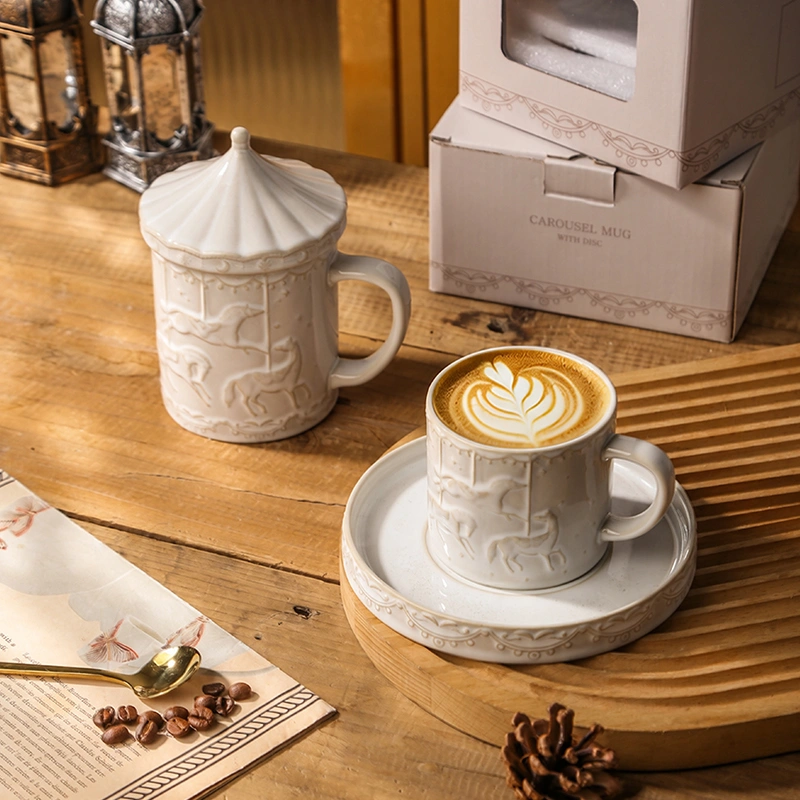
Coffee Mugs
As a professional coffee mug manufacturer, we specialize in custom coffee mugs for cafés, restaurants, hotels, and home use. Our mugs are durable, stylish, and available as bulk coffee mugs with flexible customization options, allowing businesses to create unique designs that match their brand and operational needs.