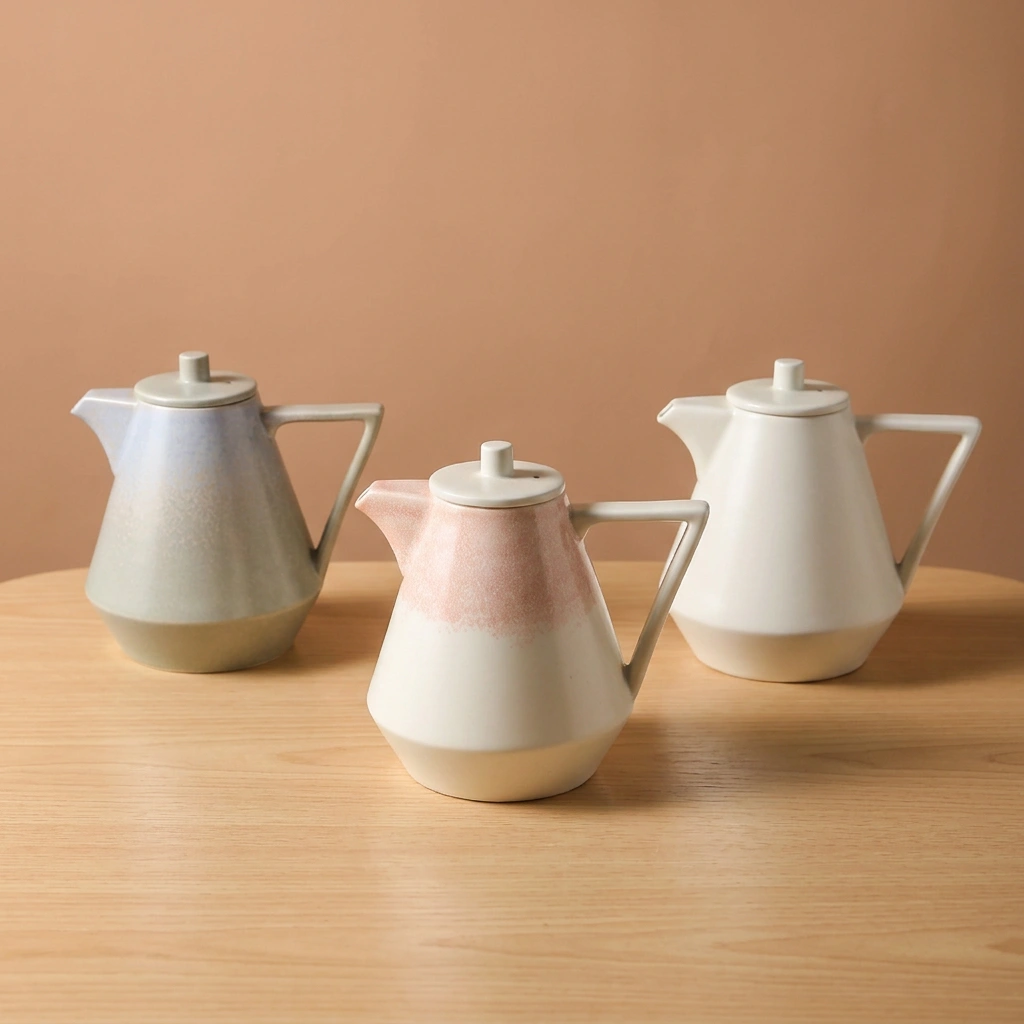
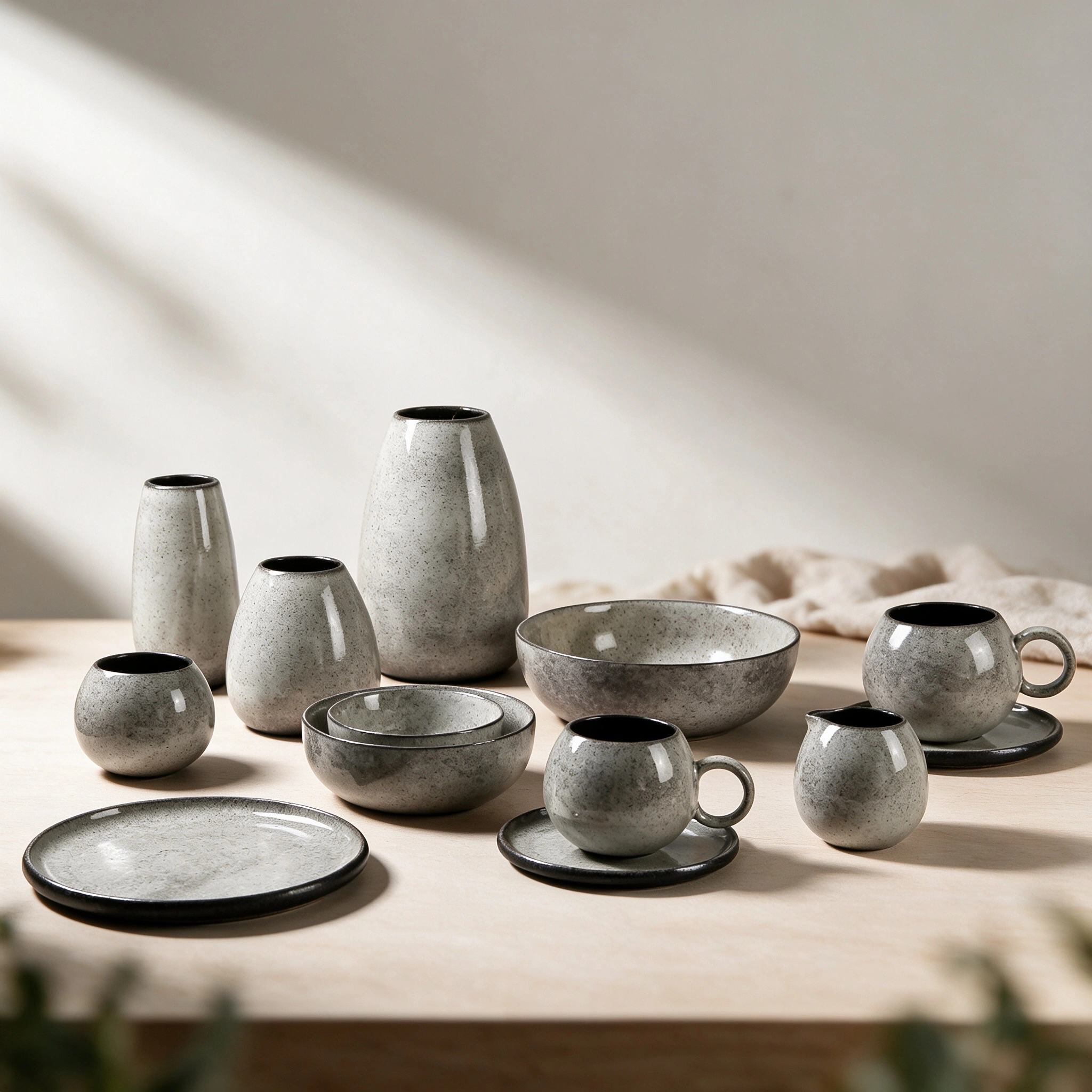
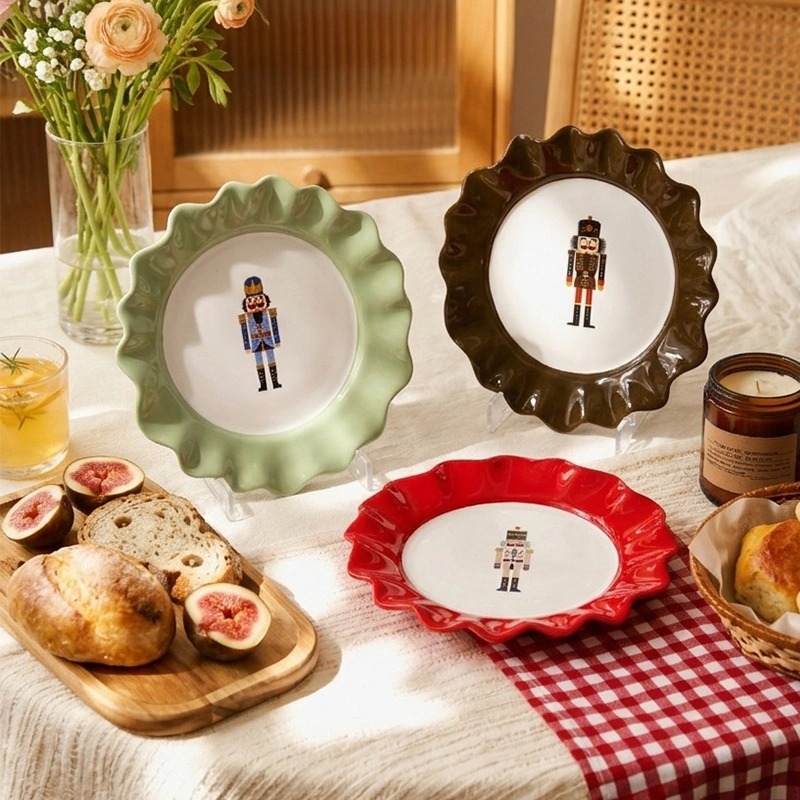
When choosing dinnerware for retail, restaurants, hotels, gift sets, or private-label projects, many buyers compare ceramic and bone china dinnerware. Both are popular tableware materials, but they have different features in appearance, cost, durability, and market positioning.
Understanding the difference can help buyers choose the right product for their target market.
What Is Ceramic Dinnerware?
Ceramic dinnerware is a broad category that includes porcelain, stoneware, earthenware, and other fired clay tableware. It is widely used for plates, bowls, mugs, tea sets, and dinnerware collections.
Ceramic dinnerware is popular because it offers flexible designs, rich glaze options, strong customization potential, and a wide price range. It is suitable for daily household use, restaurants, hotels, retail stores, and gift markets.
What Is Bone China Dinnerware?
Bone china is a type of premium ceramic tableware known for its lightweight body, smooth surface, and elegant appearance. It is often thinner and more translucent than regular ceramic dinnerware.
Bone china is commonly used for high-end tea sets, formal dining, luxury gifts, and premium homeware collections.
Ceramic vs Bone China: Key Differences
| Comparison | Ceramic Dinnerware | Bone China Dinnerware |
|---|---|---|
| Appearance | Flexible styles, colors, and glaze finishes | Elegant, refined, and often more translucent |
| Weight | Usually thicker and heavier | Lighter and thinner |
| Cost | More flexible and cost-friendly | Usually higher cost |
| Durability | Suitable for daily and commercial use | Premium feel, but often positioned as more delicate |
| Customization | Strong flexibility in shape, color, glaze, and logo | Suitable for refined designs and premium branding |
| Market | Retail, restaurants, hotels, gifts, private label | Luxury gifts, premium dining, high-end homeware |
Which One Should Buyers Choose?
For most B2B buyers, ceramic dinnerware is a practical choice because it offers more design flexibility, wider product options, and better cost control. It is suitable for restaurants, cafés, hotels, retailers, wholesalers, and private label brands.
Bone china dinnerware is better for buyers targeting premium markets, luxury gifts, formal dining, or high-end homeware collections. However, it usually requires a higher budget and more careful market positioning.
What to Confirm Before Ordering
Before placing a dinnerware order, buyers should confirm:
- Target market and price range
- Product type: plates, bowls, mugs, or full dinner sets
- Material requirement
- Surface finish and glaze style
- Logo, pattern, shape, and packaging customization
- Food-contact safety requirements
- Export packaging and breakage protection
- Sample approval before mass production
Conclusion
Ceramic and bone china dinnerware both have strong market value. Ceramic dinnerware is versatile, customizable, and suitable for wider markets, while bone china is more refined and suitable for premium product lines.
For buyers looking for flexible design options, stable supply, and custom tableware development, ceramic dinnerware remains a practical and market-friendly choice.
About Qingfa Ceramics
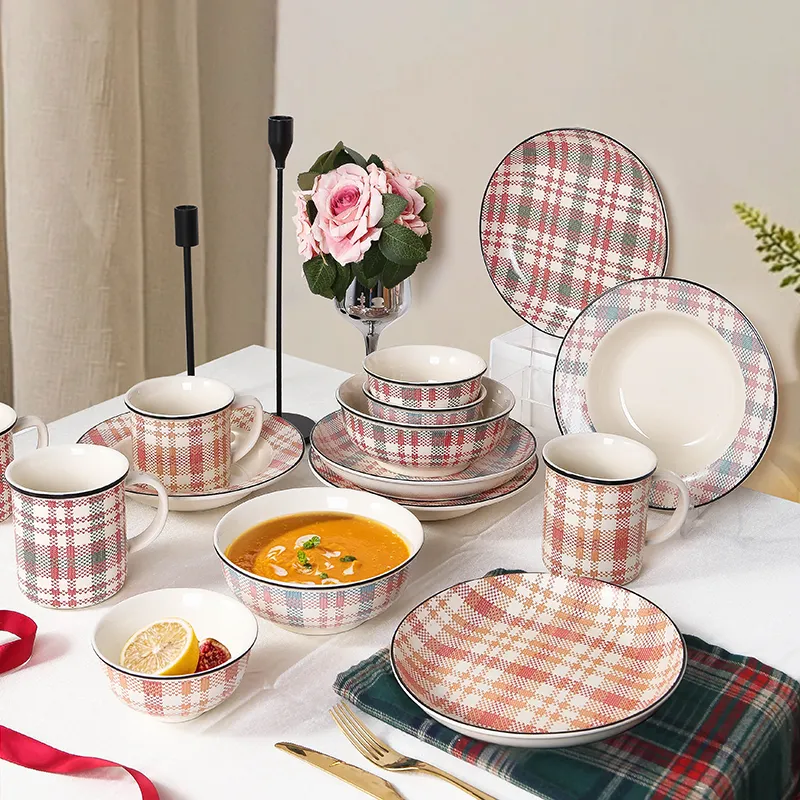
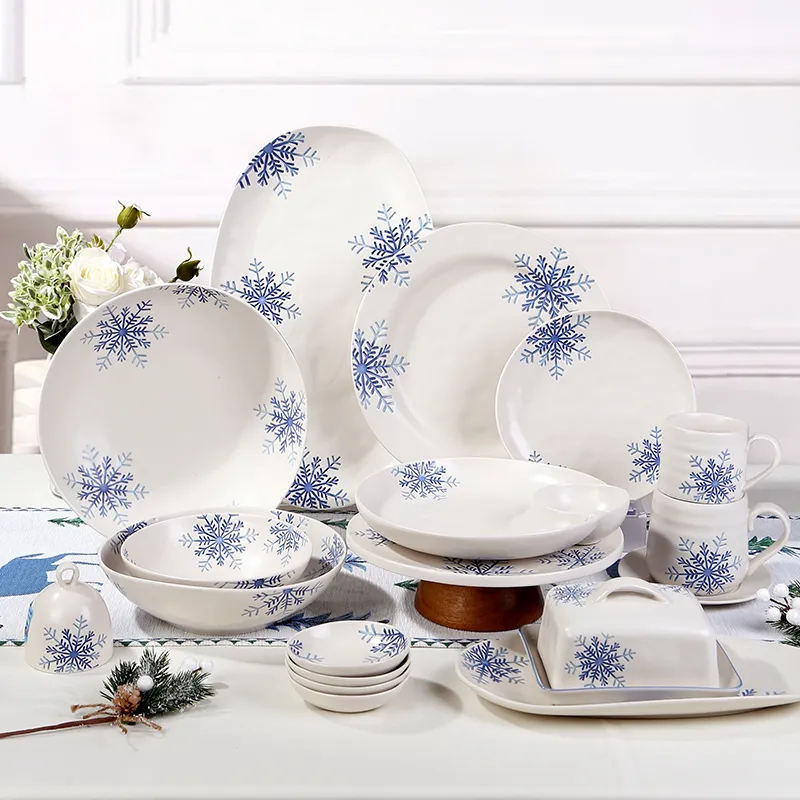
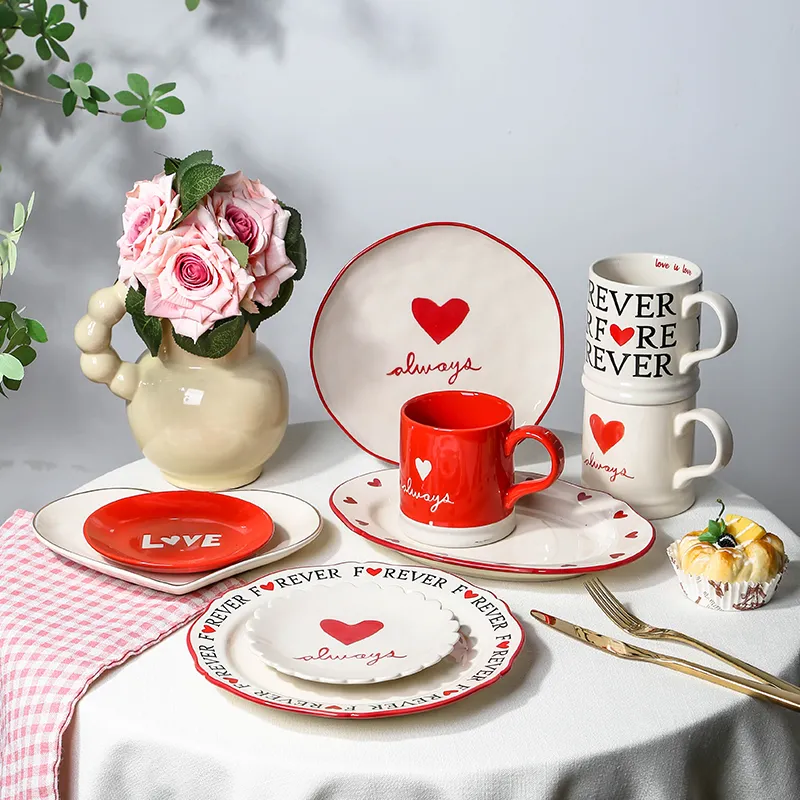
Qingfa Ceramics is a professional ceramics factory and supplier with over 40 years of experience, serving global brands and wholesale partners.
We specialize in coffee cups, tea & coffee sets, dinnerware, home décor, and kitchenware, providing comprehensive OEM/ODM customization and wholesale solutions.
From product design and glaze selection to logo customization and retail packaging, Qingfa Ceramics helps global buyers develop market-ready ceramic products for retail, gifting, hospitality, and private label projects.