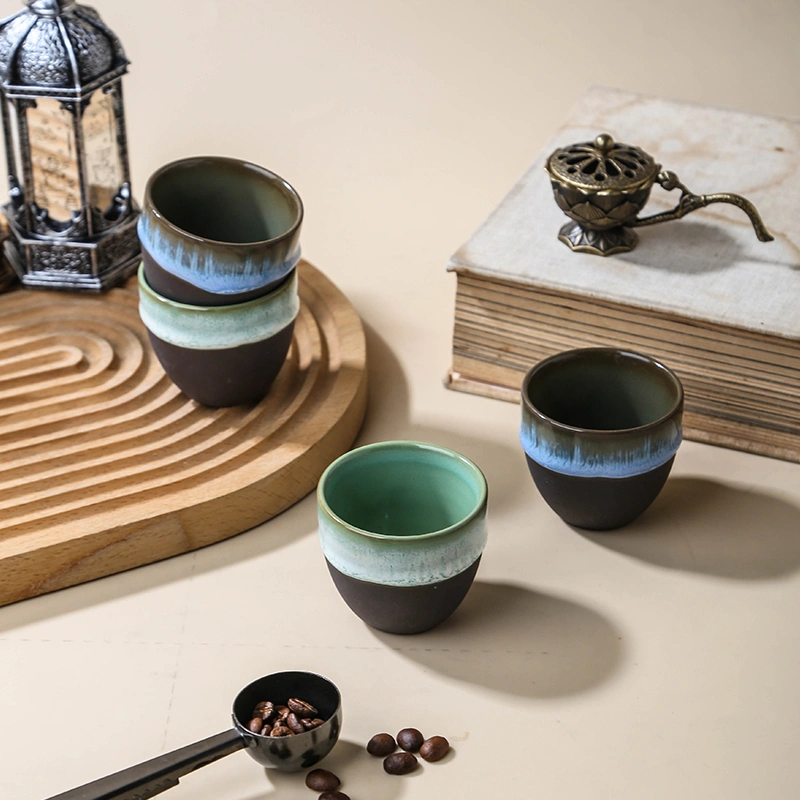
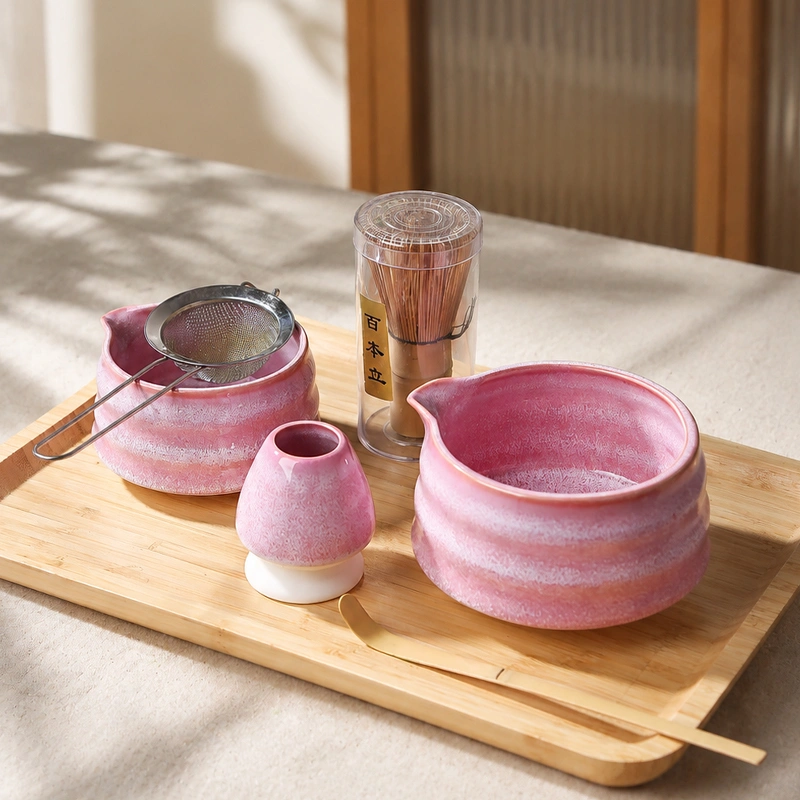
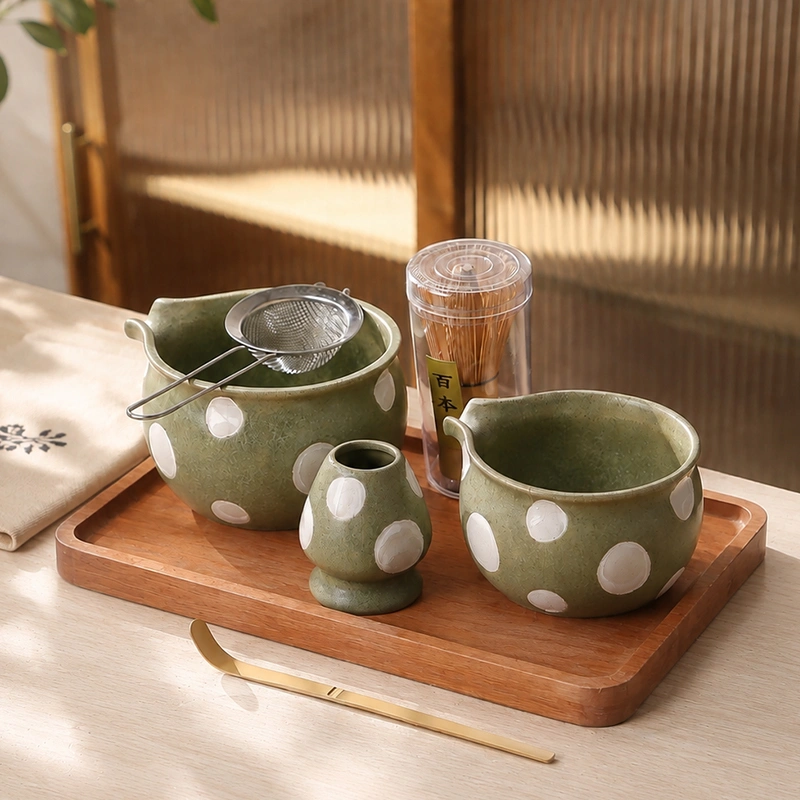
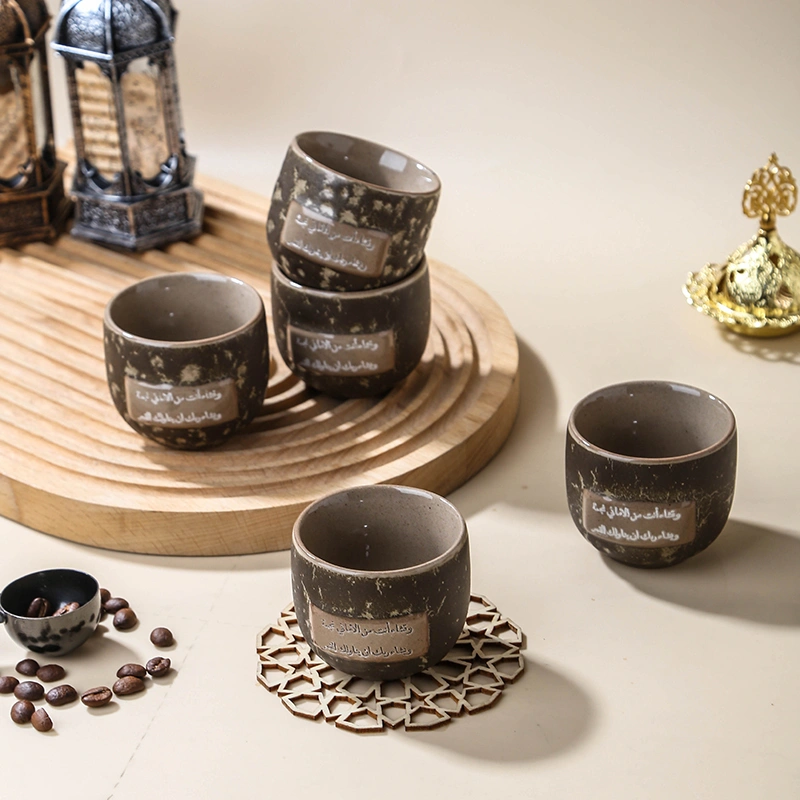
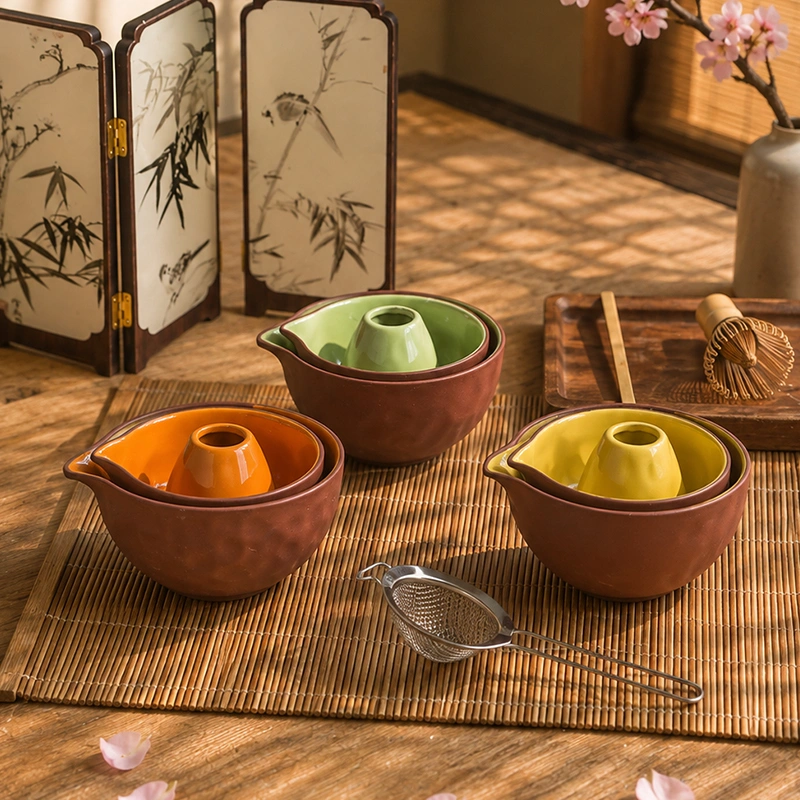
A ceramic coffee dripper is more than a brewing accessory. For specialty coffee brands, retailers, and hospitality suppliers, it is also a product that combines functional design, material selection, and brand identity. Choosing the right shape, internal structure, glaze, and finish can help businesses develop distinctive coffee accessories for their target markets.
For brands planning a new drinkware collection, working with an experienced ceramic manufacturer can simplify product development, sample evaluation, and bulk production planning. From custom colors to private label branding, a well-planned ceramic coffee dripper project should balance product appearance, everyday usability, and manufacturing feasibility.
Why Specialty Coffee Brands Choose Ceramic Coffee Drippers

Ceramic coffee drippers are popular in specialty coffee settings because they offer a versatile material and a wide range of design possibilities. Their appearance can suit minimalist home brewing products, premium retail collections, café accessories, and coordinated ceramic drinkware sets.
For B2B buyers, the decision involves more than choosing a product that looks attractive. Material characteristics, product consistency, branding options, and supplier capabilities all influence whether a design is suitable for commercial distribution.
Supporting a Consistent Brewing Experience
A pour-over coffee dripper guides water through coffee grounds and a filter. Its shape, opening, internal ribs, and compatibility with the filter can influence water movement during brewing.
Ceramic also has thermal properties that affect how heat is exchanged with the coffee and brewing environment. Preheating the dripper may help reduce temperature loss, although actual brewing results also depend on water temperature, grind size, pouring technique, filter type, and other variables.
For specialty coffee brands, the goal is to develop a product with clearly defined specifications and reliable performance under its intended conditions. Testing physical samples can help confirm that the design works as expected before a product is introduced to the market.
Creating a Distinctive Brand Identity
Product appearance plays an important role in coffee accessory purchasing. A clean, understated ceramic coffee dripper may suit a minimalist brand, while a colorful glaze or distinctive silhouette may help a retail collection stand out.
Brands can consider the relationship between the dripper, coffee mugs, servers, and other products in their assortment. Coordinated colors, surface finishes, and design details can create a more consistent product range.
For private label coffee brands and retailers, these visual decisions can support product differentiation without requiring the entire collection to use a completely different functional design.
Offering Reusable Coffee Accessories
A reusable ceramic dripper can be part of a product range designed for repeated use. Customers can replace disposable paper filters as needed while keeping the ceramic component for everyday brewing.
For buyers, product development should account for practical cleaning, handling, storage, and packaging requirements. These considerations are particularly relevant to retailers and hospitality suppliers that need products suited to regular use.
Key Design Elements of a Ceramic Coffee Dripper


Good coffee dripper design combines shape, internal structure, material, and finish. Each element should be evaluated as part of the complete product rather than as an isolated visual feature.
Dripper Shape and Filter Compatibility
The overall shape determines how the dripper sits over a mug or server and how it accommodates the selected filter. Common design approaches include conical profiles and other shaped forms intended for specific brewing systems.
Before developing a ceramic pour over coffee dripper, brands should define the intended filter format, supporting vessel, and target user. Compatibility should be checked using the actual filter and receiving vessel rather than estimated from appearance alone.
For OEM ceramic coffee dripper projects, confirming these requirements early can help reduce design revisions during sampling.
Internal Ribs, Channels, and Drainage Design
Many pour over coffee drippers feature internal ribs or channels. These structures create space between the filter and the dripper wall and can influence how water moves through the brewing system.
The effect depends on the complete design, including rib geometry, filter characteristics, the size of the bottom opening, and brewing technique. More pronounced ribs do not automatically guarantee better extraction, so performance should be evaluated through practical testing.
For brands developing a custom coffee dripper, internal details should be considered alongside manufacturing feasibility. The intended structure needs to be clearly defined in the design specifications and checked on production samples.
Base Opening and Water Flow
The bottom opening is another important design element. Its dimensions and relationship to the dripper shape can influence drainage, but the final brewing behavior also depends on the coffee bed, filter, and preparation method.
Product developers should avoid choosing an opening size based only on visual preference. Instead, test the design with the intended filter and brewing parameters to determine whether it meets the product’s requirements.
For wholesale buyers, consistent dimensions across production batches are also important. Clear drawings, sample approval, and agreed inspection criteria can help align expectations between the brand and manufacturer.
Ceramic Material, Wall Thickness, and Glaze
Material selection and wall thickness influence the product’s weight, feel, appearance, and thermal behavior. A thicker wall may retain heat differently from a thinner one, while the overall dimensions and ceramic body also affect handling.
Glaze creates another layer of product differentiation. Glossy, matte, and colored finishes can support different visual directions, although finish availability and suitability depend on the manufacturer’s capabilities and the selected product specifications.
When developing a ceramic coffee dripper for retail or hospitality use, brands should review the fired sample for color, surface quality, dimensions, and functional compatibility. The approved sample should serve as a reference for the subsequent production process.
How to Develop a Custom Ceramic Coffee Dripper
A structured development process helps specialty coffee brands move from an initial concept to a product ready for commercial distribution. For custom ceramic coffee dripper projects, early communication between the buyer and manufacturer is particularly valuable.
1. Define the Target Market and Product Concept
Start by identifying the intended customer and sales channel. A dripper for home brewing enthusiasts may have different design priorities from one intended for cafés, gift collections, or hospitality suppliers.
Consider the product’s price positioning, target market, expected use, and relationship to the rest of the collection. These decisions provide a clearer direction for the shape, dimensions, finish, and packaging.
2. Select the Shape, Color, and Surface Finish
Once the product concept is established, determine the main design characteristics. These may include the overall silhouette, internal structure, glaze color, surface finish, logo placement, and visual relationship with other coffee accessories.
For private label coffee dripper development, brands should provide clear references and specifications where available. This makes it easier for the manufacturer to understand the intended appearance and identify details that need further discussion.
3. Review Samples and Test Product Performance
A physical sample helps buyers evaluate details that may not be obvious in drawings or product images. Check the product dimensions, stability on the intended vessel, filter fit, surface finish, and ease of handling and cleaning.
If the dripper is intended to deliver a specific brewing experience, test it using a consistent preparation method. Record relevant observations and confirm any required adjustments before approving the final sample.
For OEM and ODM ceramic projects, this stage is an opportunity to align design expectations with the practical requirements of manufacturing.
4. Confirm Specifications Before Bulk Production
Before approving an order, document the agreed product dimensions, material, glaze, finish, logo application, packaging, and relevant quality requirements. The final approved sample can help establish the expected appearance and construction.
Buyers should also confirm order quantities, production timelines, packaging arrangements, and inspection requirements with the supplier. Clear communication at this stage can help minimize avoidable misunderstandings during bulk production.
OEM and ODM Considerations for Ceramic Coffee Drippers
OEM and ODM services can support brands that want to source existing product designs or develop products around their own concepts. The available options depend on the manufacturer’s capabilities and the specific project requirements.
Design Feasibility and Manufacturing Consistency
A visually distinctive concept must also be practical to produce. Complex shapes, unusual wall thicknesses, detailed internal structures, and specialized finishes may require additional evaluation during development.
An experienced ceramic manufacturer can help review design requirements and discuss potential production considerations. However, feasibility should be confirmed for the actual design rather than assumed for every proposed customization.
For wholesale ceramic coffee dripper orders, buyers should agree on key specifications and inspection standards before manufacturing begins. This helps establish a consistent reference for evaluating finished products.
Logo Application and Custom Packaging
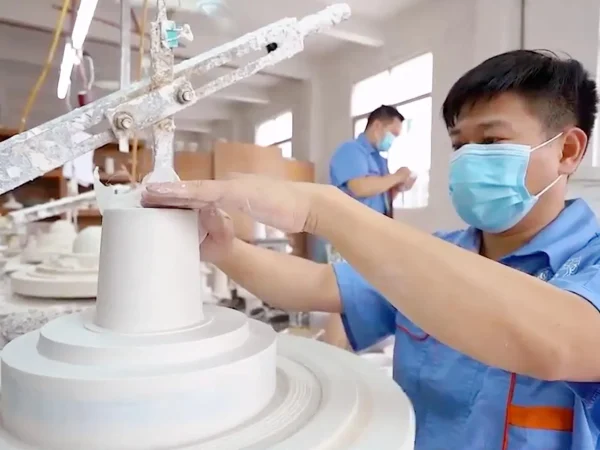
Branding can help a ceramic coffee dripper become part of a recognizable product collection. Depending on the manufacturer’s available processes, options may include suitable logo decoration, coordinated glaze colors, or packaging designed for the brand’s retail requirements.
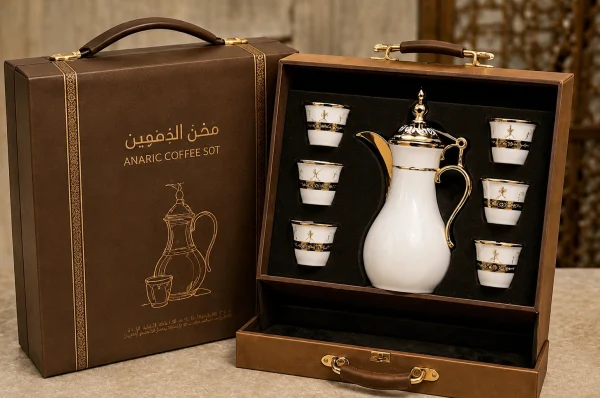
Packaging needs should be considered alongside product development. Ceramic items can be vulnerable to impact during transportation, so the packaging design should provide appropriate protection for the product and shipping conditions.
For private label projects, buyers should confirm artwork, placement, packaging dimensions, and approval procedures before production.
Qingfa Ceramic also provides custom packaging solutions to help brands create packaging that aligns with their product presentation and branding requirements. For private label coffee drippers, customized packaging can enhance brand identity while providing protection during shipping and handling.
Quality Control and Bulk Order Planning
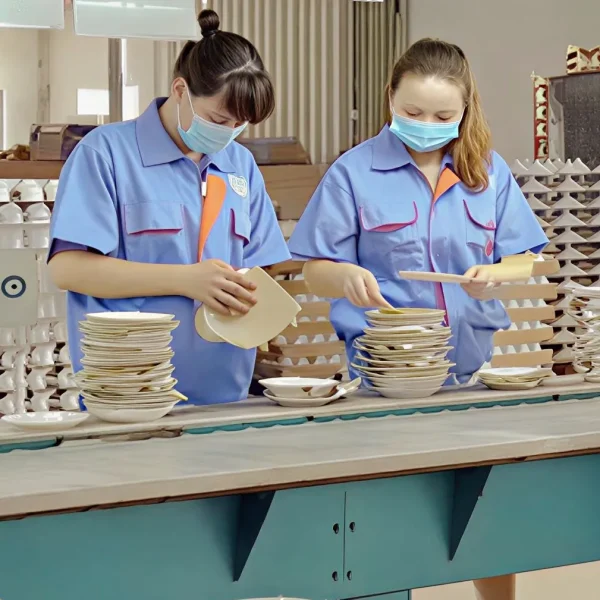
Quality requirements should be established before a wholesale order enters production. Relevant checks may include dimensions, glaze appearance, surface defects, structural integrity, stability, and compatibility with the intended brewing setup.
The appropriate inspection process depends on the product specifications and buyer requirements. Brands should communicate any applicable standards and confirm how samples and finished goods will be evaluated.
Bulk order planning should also account for packaging, delivery arrangements, and the destination market. These details are important for retailers, distributors, and hospitality suppliers managing inventory and product launches.
How to Choose a Ceramic Coffee Dripper Manufacturer


Selecting the right supplier involves evaluating more than price. For specialty coffee brands, a suitable manufacturing partner should understand the product requirements and communicate clearly throughout development and production.
Evaluate Product Development Capabilities
Ask whether the supplier can support the type of design, glaze, logo application, and packaging required for the project. Review relevant product samples and confirm which development services are actually available.
If your concept requires a specific filter fit or internal structure, discuss these requirements before committing to the project.
Review Sampling and Quality Procedures
A clear sampling process helps buyers evaluate the product before placing or confirming a larger order. Ask how revisions are handled, how the approved sample is referenced during production, and which quality checks are available.
For bulk ceramic coffee dripper sourcing, consistency between the approved sample and finished order is an important point to clarify.
Confirm Communication and Order Requirements
B2B projects often involve several decisions, including dimensions, decoration, packaging, quantities, and delivery schedules. A supplier that communicates these details clearly can help buyers coordinate the project more effectively.
Before proceeding, confirm the quotation, minimum order quantity, sample arrangements, lead time, packaging scope, and other relevant commercial terms.
FAQ
What Are the Benefits of Ceramic Coffee Drippers?
Ceramic coffee drippers offer a reusable brewing component with a wide range of shapes, colors, and finishes. They can suit home brewing, specialty coffee retail, and hospitality collections. Actual brewing performance depends on the dripper design and the brewing method used.
How Does Coffee Dripper Design Affect Brewing?
The shape, internal ribs, drainage opening, and filter compatibility can influence water movement through a dripper. However, extraction also depends on grind size, coffee dose, water temperature, pouring technique, and filter characteristics. Product designs should be tested under their intended conditions.
Can Ceramic Coffee Drippers Be Customized for Private Label Brands?
Customization possibilities depend on the manufacturer’s capabilities and the project specifications. Brands may be able to discuss shape, glaze, color, logo application, and packaging options as part of an OEM or ODM project. Confirm the available options and production feasibility with the supplier.
What Should Buyers Check Before Ordering Ceramic Coffee Drippers in Bulk?
Buyers should review the approved sample, product dimensions, filter compatibility, glaze and finish, relevant quality requirements, packaging, order quantity, and delivery arrangements. Confirming these details before production helps establish clear expectations for the order.
What Is the Difference Between a Ceramic Coffee Dripper and Other Dripper Materials?
Ceramic, plastic, metal, and glass drippers differ in thermal behavior, weight, appearance, durability characteristics, and handling requirements. No material is best for every application. Buyers should compare the product’s intended use, design requirements, target price, and customer preferences before choosing a material.
Conclusion
Developing a successful ceramic coffee dripper requires a balance between product design, brewing requirements, visual identity, and manufacturing feasibility. Shape, internal ribs, drainage openings, ceramic material, and glaze all deserve consideration during product development.
For specialty coffee brands, retailers, and hospitality suppliers, the process should include clear product specifications, physical sample evaluation, and agreement on quality and packaging requirements before bulk production. A well-defined OEM or ODM project can help align the product concept with the practical needs of commercial distribution.
About Qingfa Ceramic
Qingfa Ceramic works with B2B customers seeking ceramic products for retail, hospitality, and private label collections. For brands planning a new coffee accessory range, clear communication about design, material, finish, and order requirements is an important part of product development.
Planning a ceramic coffee dripper project for your brand? Contact Qingfa Ceramic to discuss your product concept, customization requirements, and potential OEM or ODM cooperation.
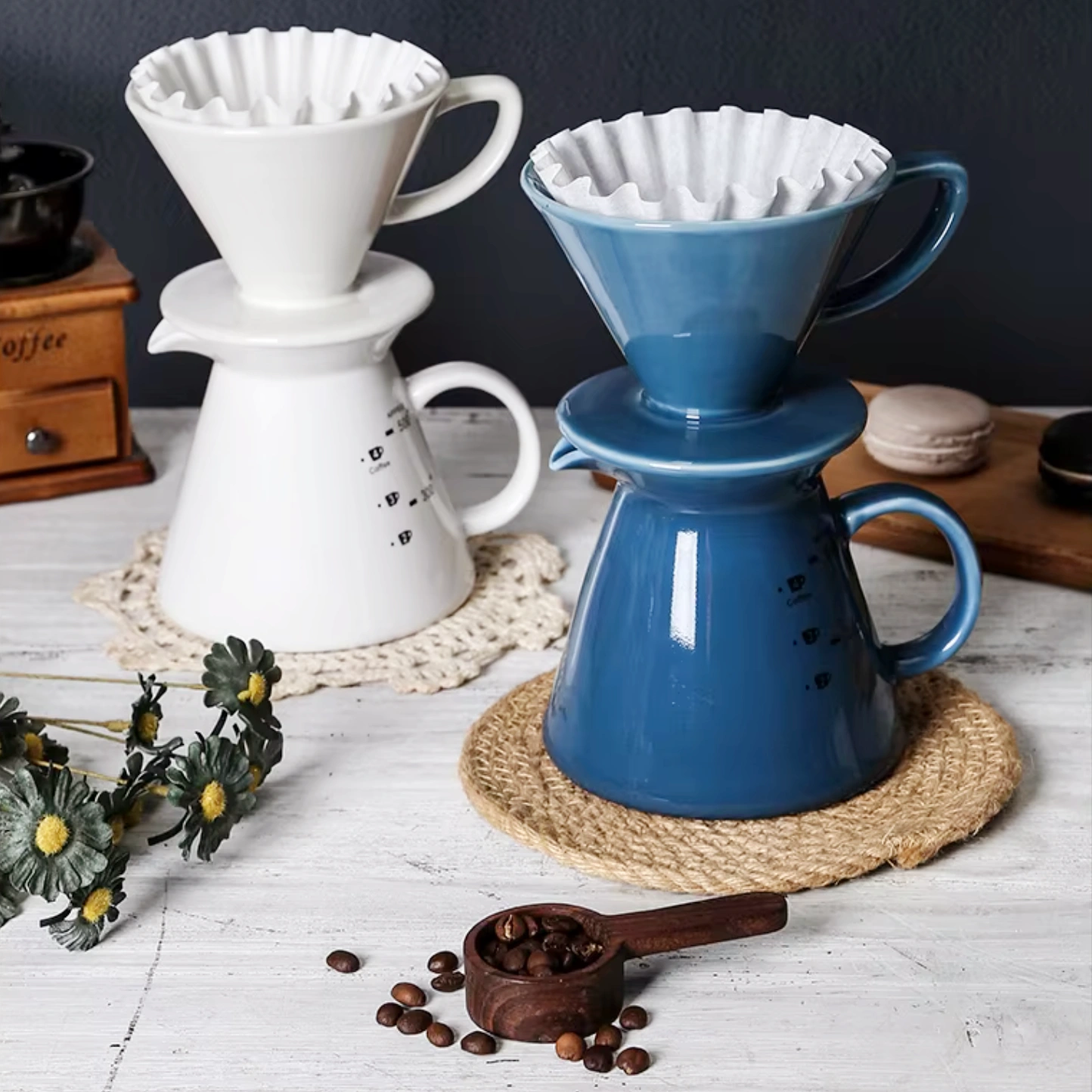
Coffee Drippers
We offer high-quality custom coffee drippers for cafés, restaurants, hotels, and home use. Our products are available as wholesale coffee drippers with flexible customization options, allowing businesses to create unique designs that match their brand and operational needs.