As we move through 2026, the global shift toward environmental accountability has transformed the tableware industry. For B2B buyers and retailers, sustainability is no longer a niche preference—it is a regulatory and consumer-driven mandate.

While various materials claim eco-friendly status, a deep dive into lifecycle analysis reveals why ceramic remains the gold standard, outperforming popular alternatives like plastic and bamboo in durability, safety, and brand value.


The Sustainability Gap: Ceramic vs. Plastic and Bamboo

To understand the 2026 market, we must look beyond the “green” label and examine the long-term impact of material choices.

1. Durability and Lifecycle Value

Plastic dinnerware, even when marketed as recyclable, often ends up in landfills, contributing to microplastic pollution. Bamboo tableware, while biodegradable, often has a short lifespan in commercial settings due to its tendency to warp, stain, or develop mold.

Ceramic stands out as the most durable dish material. Its ability to withstand thousands of high-temperature wash cycles without degrading makes it a “buy once, use forever” solution. In the circular economy of 2026, longevity is the ultimate form of sustainability.

2. Health and Chemical Safety

Safety is a primary driver for healthiest dinnerware searches. Many bamboo-fiber plates use melamine-formaldehyde resins as binders, which can leach under heat. Similarly, plastic can release BPA or phthalates.

Ceramic is a naturally inert material fired at high temperatures. When sourced from reputable manufacturers ensuring it is ceramic lead-free, it provides a stable, non-porous surface that does not react with acidic foods or leach chemicals, even in industrial microwaves and dishwashers.

3. Brand Authority and Aesthetics

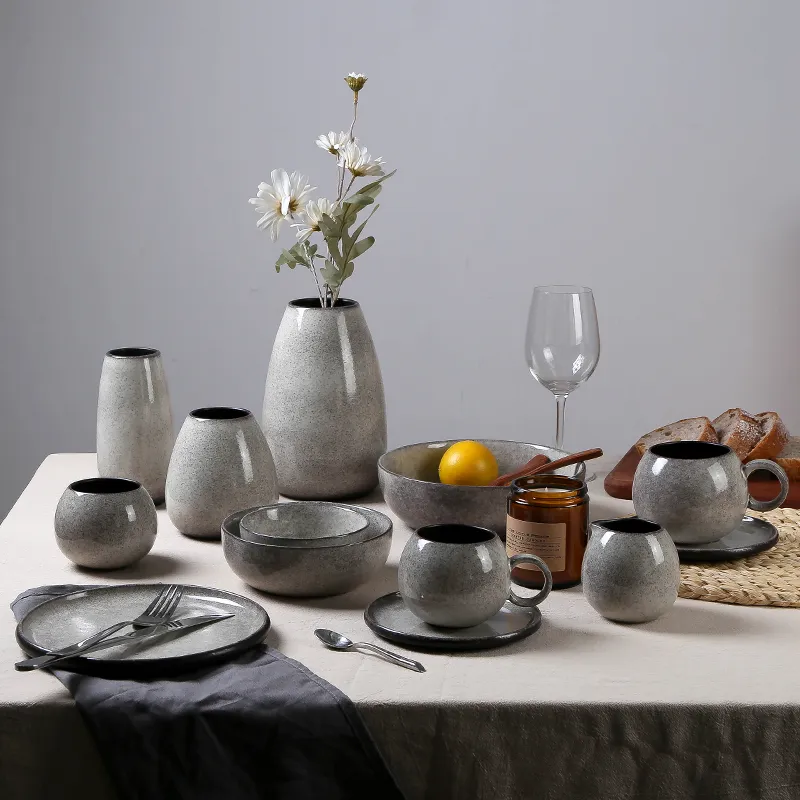
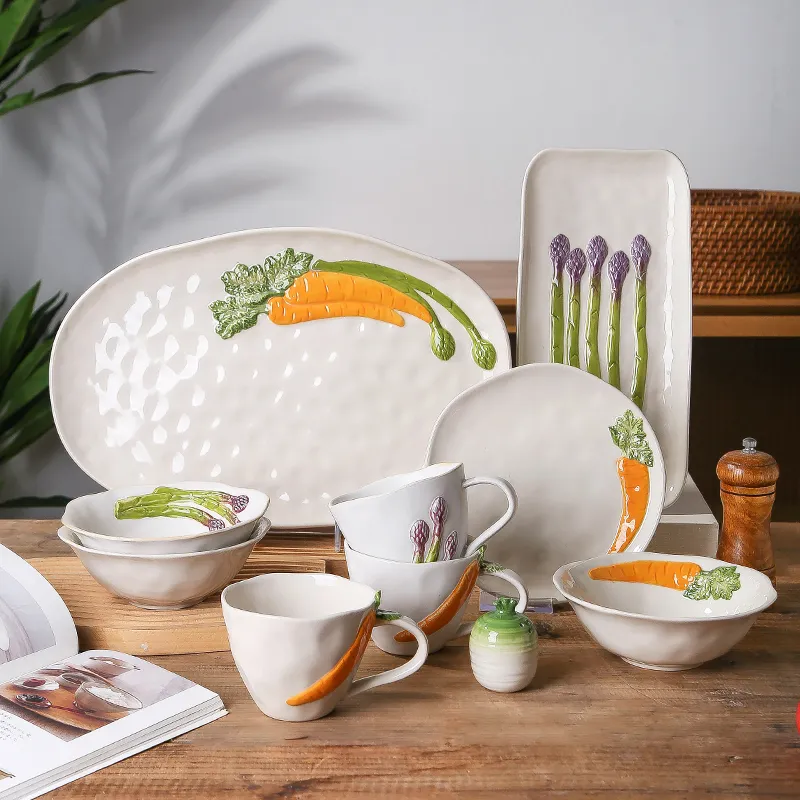
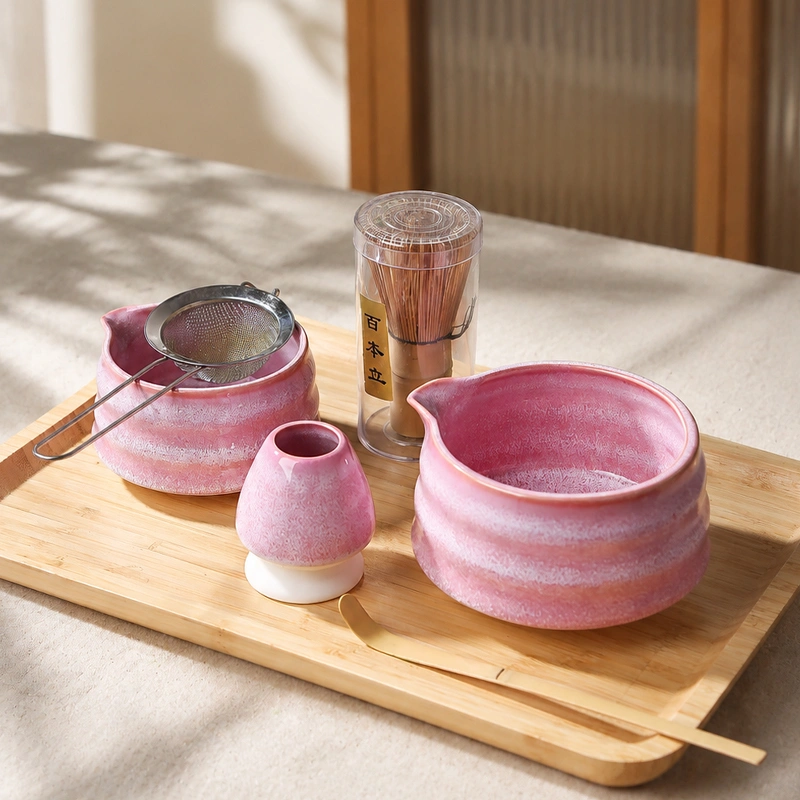
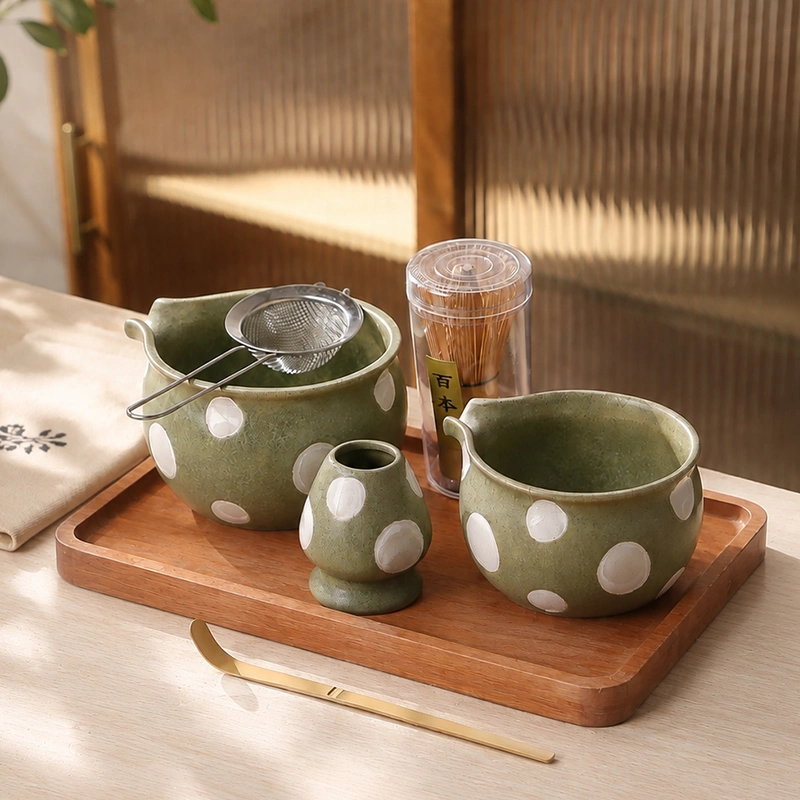
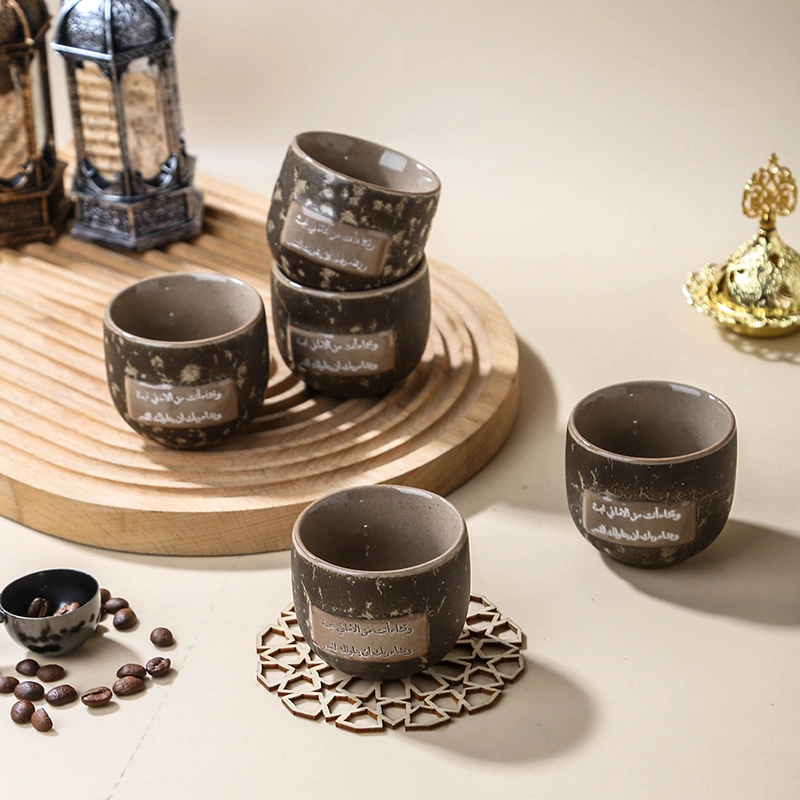
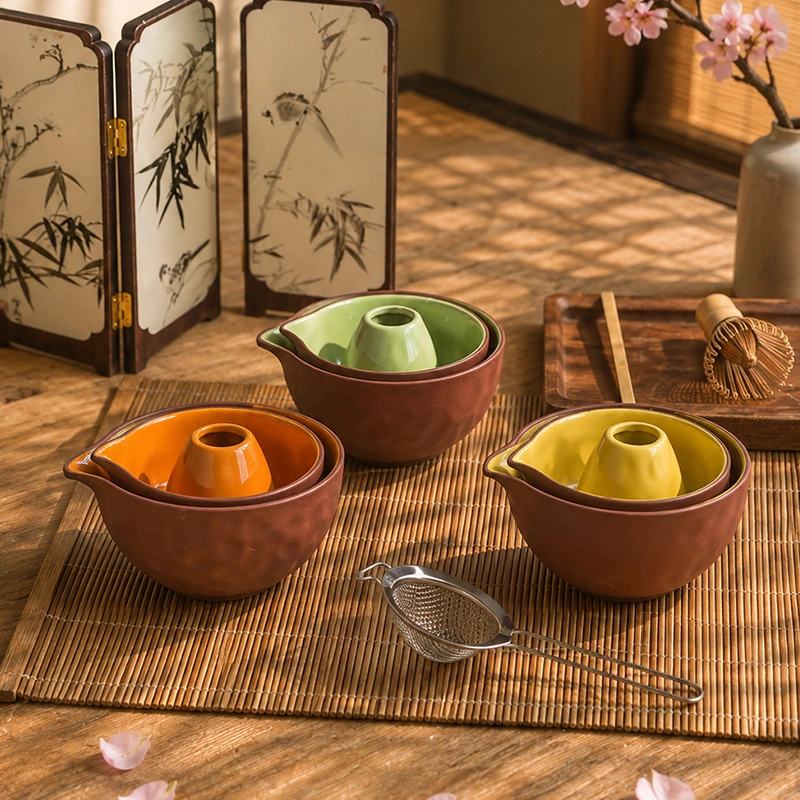
In 2026, consumers crave authenticity. The “disposable” feel of plastic or the dull finish of mass-produced bamboo lacks the tactile soul of ceramic. Whether it is the organic feel of wavy dinner plates or the sophisticated translucency of a white porcelain dinner plate, ceramic conveys a premium brand message that other materials simply cannot match.


Key Eco-Trends in Ceramic Manufacturing for 2026

The ceramic industry is not standing still. Innovation is making the best dinnerware material even greener:

  • Closed-Loop Water Systems: Advanced factories now recycle 90% of the water used in the glazing and shaping processes.
  • Low-Carbon Kiln Technology: New kiln designs reduce natural gas consumption by up to 30%, significantly lowering the carbon footprint per piece.
  • Recycled Content: The rise of eco-friendly ceramic wholesale is driven by “Recycled Clay” initiatives, where broken shards (cullet) are reground and integrated into new ceramic plate designs.

Partner with Qingfa Ceramics for a Greener Future

Navigating the transition to sustainable sourcing requires a partner who understands both heritage craftsmanship and modern environmental standards.

青發セラミックス is a professional ceramics factory & supplier with over 40 years of experience, serving global brands and wholesale partners. We specialize in coffee cups, tea & coffee sets, dinnerware, home decor, and kitchenware, providing comprehensive OEM/ODM customization and wholesale solutions.

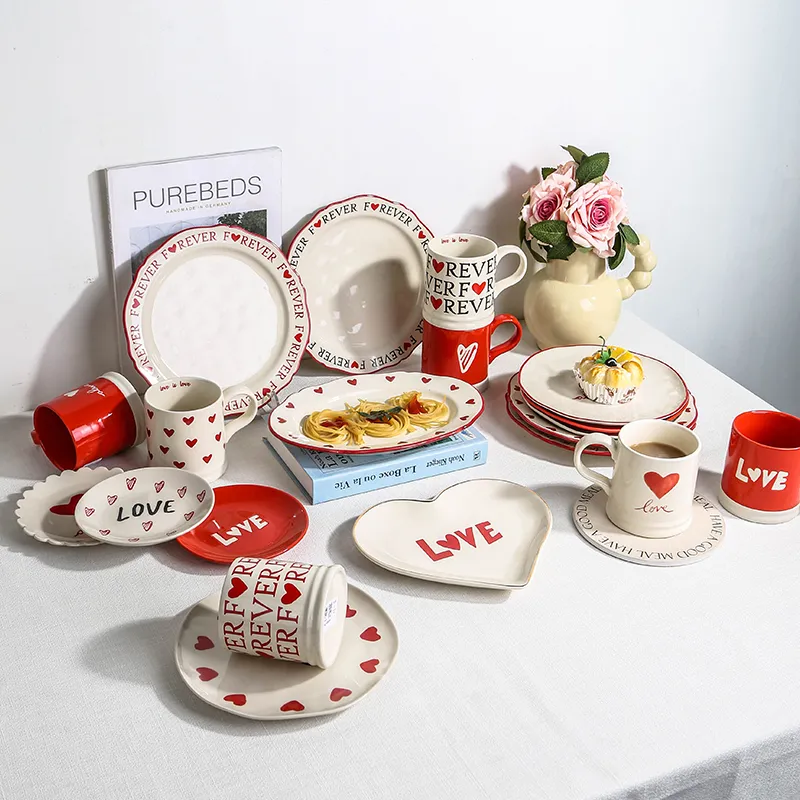
Our commitment to the 2026 sustainability goals is reflected in our manufacturing excellence. Every snack plate, ceramic, and ceramic tableware with a cute design we produce is engineered for maximum lifespan and safety. By choosing Qingfa, you are not just buying quality dinner plates; you are investing in a 40-year legacy of responsible manufacturing and lead-free excellence that your customers can trust for generations.

無料お見積もり

製品に関するお問い合わせ、特注品のお見積もり、セラミック食器の特注ソリューションに関するお問い合わせなど、お気軽にQingfaまでご連絡ください。.
+86-18029879760
広東省潮州市鳳新街天中村新威片

無料お見積もり

製品に関するお問い合わせ、特注品のお見積もり、セラミック食器の特注ソリューションに関するお問い合わせなど、お気軽にQingfaまでご連絡ください。.
+86-18029879760
広東省潮州市鳳新街天中村新威片

興味のある人を探す