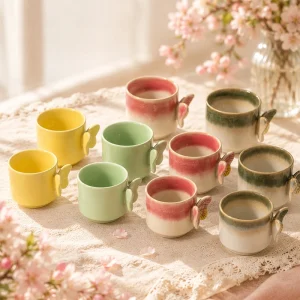
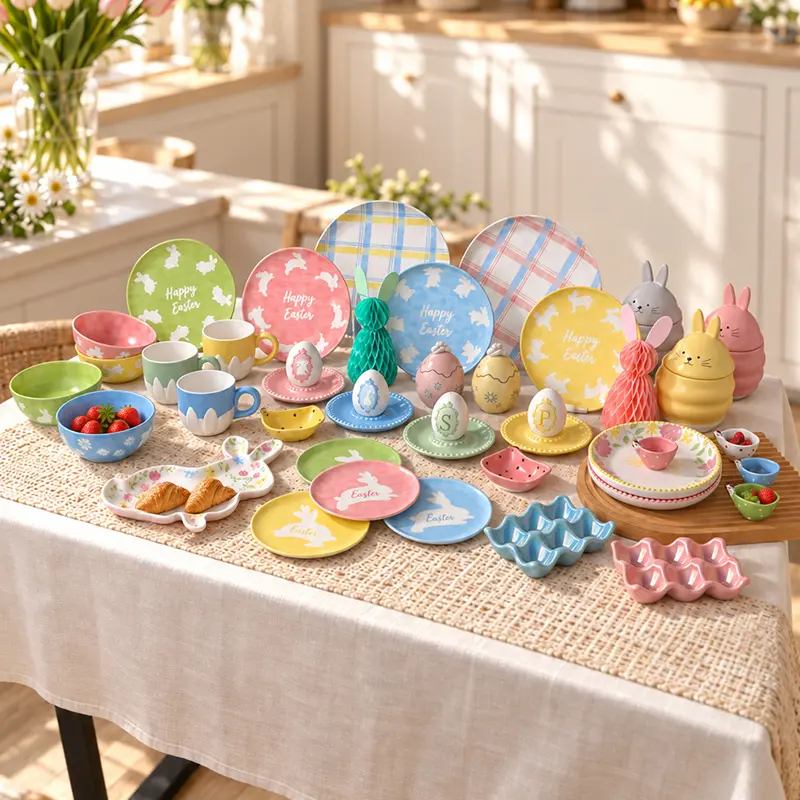
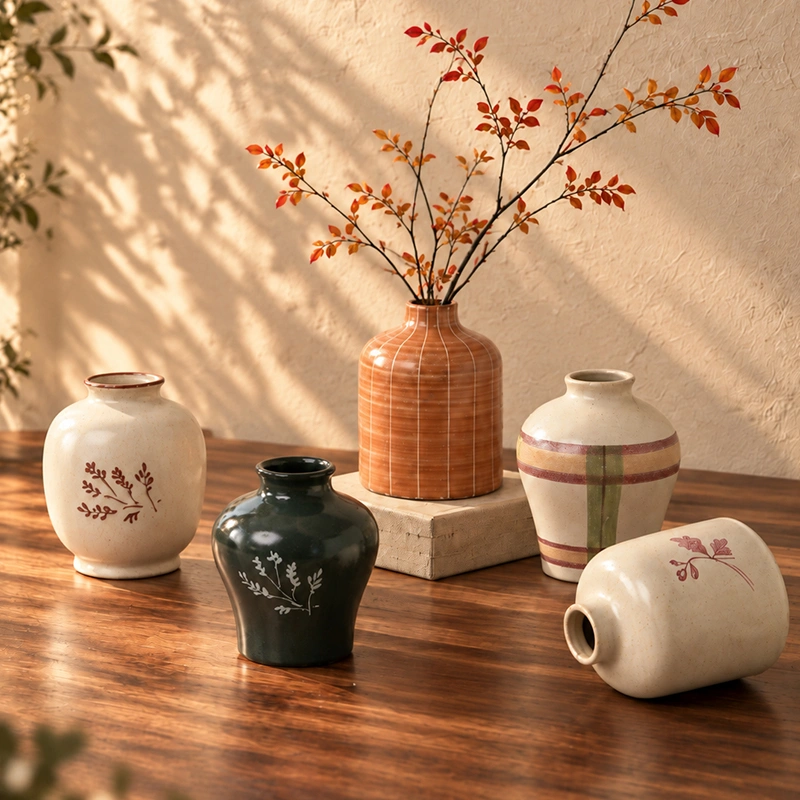
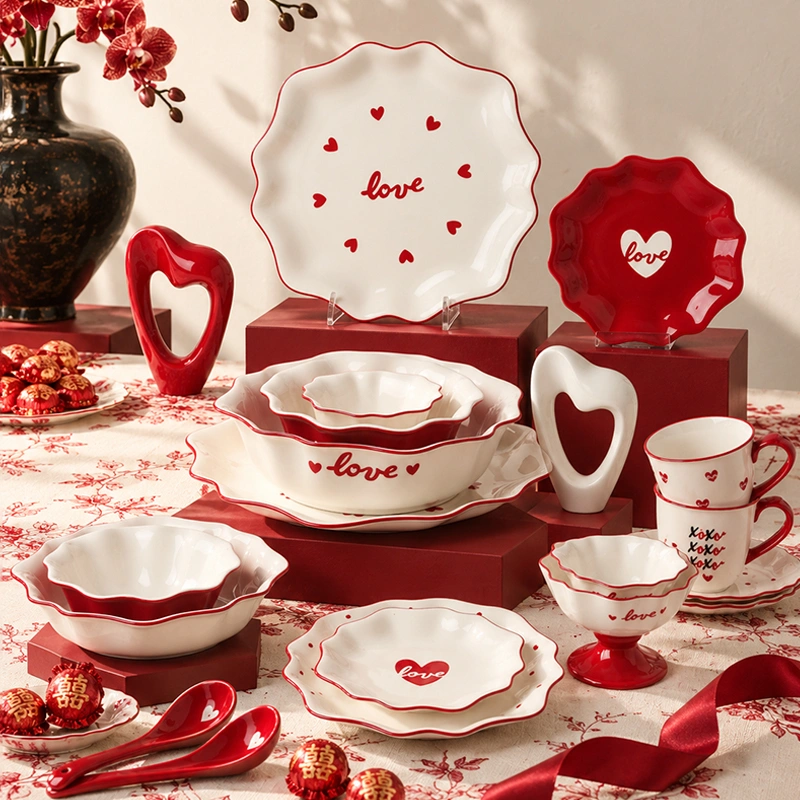
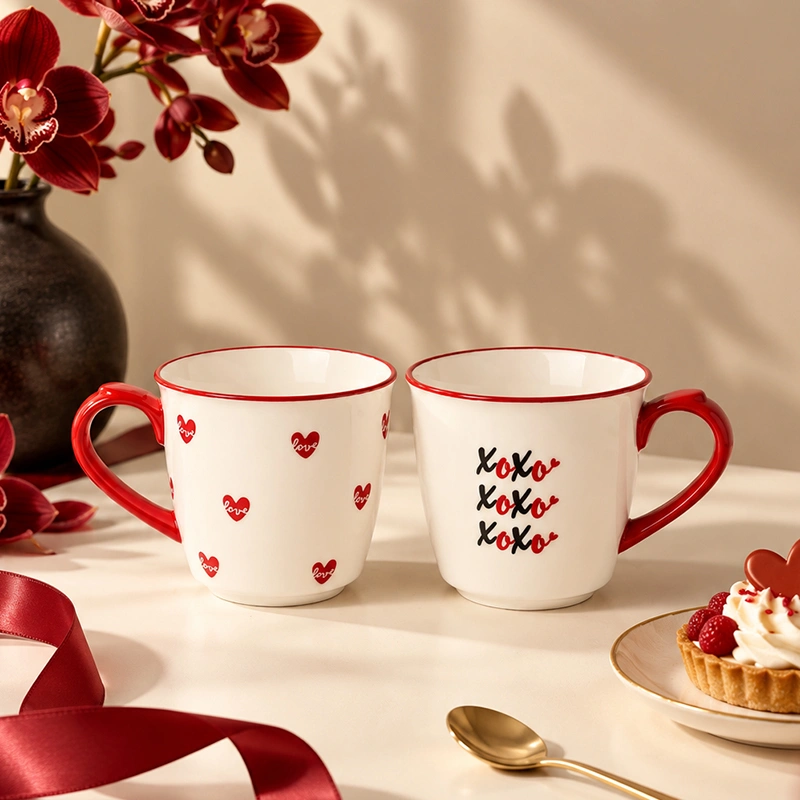
When sourcing ceramic cups for a retail brand, coffee business, or wholesale product line, choosing the right manufacturing model is an important part of the purchasing decision. OEM vs ODM is a common consideration in ceramic manufacturing because the two models offer different levels of design control, product development involvement, and customization flexibility.
For brand owners, importers, and wholesale buyers, understanding OEM vs ODM manufacturing can help reduce development risks, manage purchasing costs, and build a competitive ceramic cup collection.
Whether you want to develop exclusive ceramic mugs or select existing cup designs for private labeling, working with the right ceramic cup manufacturer can make a significant difference to your product strategy.
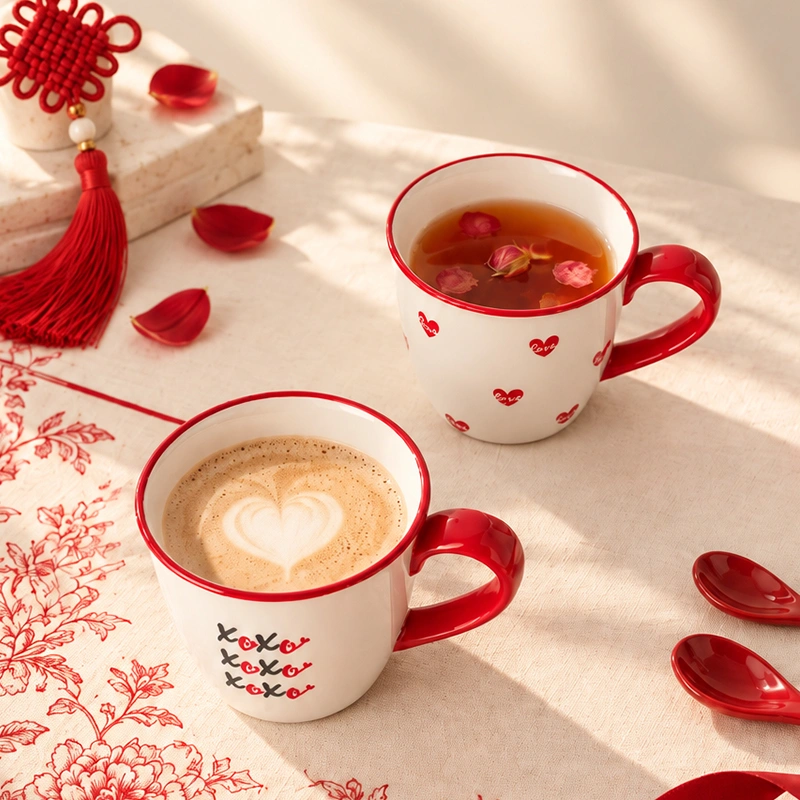
What Do OEM and ODM Mean in Ceramic Cup Manufacturing?
OEM and ODM describe two different ways of working with a ceramic manufacturer. The main difference is who leads the product design and how much development work is required before production.
What Is OEM Ceramic Cup Manufacturing?
OEM (Original Equipment Manufacturing) refers to a production model in which buyers provide their own product designs, specifications, or detailed requirements, and the manufacturer produces ceramic cups according to those instructions.
For example, a coffee brand may want to launch a distinctive ceramic mug with a specific shape, handle design, glaze color, and logo placement. Instead of choosing an existing product, the brand works with an OEM ceramic cup manufacturer to turn its product concept into a manufacturable item.
OEM projects may involve requirements such as:
- Custom cup shapes and dimensions
- Specific handle styles and proportions
- Glaze colors and surface finishes
- Printed patterns, logos, and decorative details
- Customized product packaging
This model is suitable for businesses that want greater control over product appearance and a more distinctive product identity. However, the development requirements, sampling arrangements, and production feasibility need to be evaluated before mass production.
What Is ODM Ceramic Cup Manufacturing?
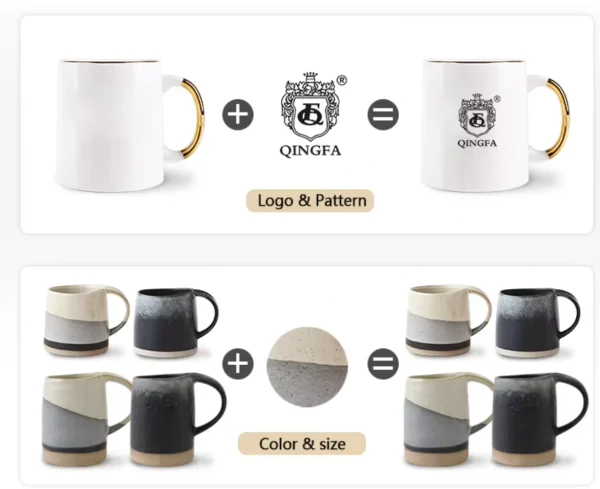
ODM (Original Design Manufacturing) refers to a model in which buyers select from designs or products already developed by the manufacturer and adapt them to their own market requirements.
Rather than developing a completely new ceramic cup from the beginning, buyers can start with an existing design and customize selected elements, depending on the manufacturer’s available options.
Common ODM adjustments may include:
- Logo printing or branding
- Glaze color selection
- Dekorative Muster
- Packaging and gift box design
- Product selection for a coordinated collection
ODM is often suitable for wholesalers, importers, and private-label brands that want to introduce ceramic cups without taking on the full scope of new product development.
By starting with existing product designs, buyers may be able to simplify the development process and focus more on branding, product selection, and market distribution.
OEM vs ODM: Key Differences for Ceramic Cup Buyers
Understanding OEM vs ODM is essential when deciding how to develop and source ceramic cups. Although both models can support branded ceramic cup production, they differ in several important areas.
| Comparison Factor | OEM Ceramic Cups | ODM Ceramic Cups |
|---|---|---|
| Produktdesign | Buyer-led design and specifications | Starts with manufacturer-developed designs |
| Produktentwicklung | May require new product development | Uses existing product designs |
| Personalisierung | Greater flexibility, depending on feasibility | Usually focuses on selected design and branding changes |
| Development investment | May involve additional development expenses | May require less initial development work |
| Tooling requirements | New tooling may be needed for new shapes | Existing tooling may be available |
| Launch preparation | May require more development and sampling | Can be simpler when using existing designs |
| Product differentiation | Greater potential for unique products | Differentiation mainly through available customization options |
| Suitable buyers | Brands with specific product concepts | Buyers seeking an efficient way to launch product collections |
The right choice depends on your business objectives, product requirements, purchasing volume, and expected market demand. Neither OEM nor ODM is automatically the better option for every ceramic cup project.
When comparing OEM vs ODM manufacturing, buyers should consider not only the initial development requirements but also how each model supports their long-term product plans.
When Should You Choose OEM Ceramic Cup Manufacturing?
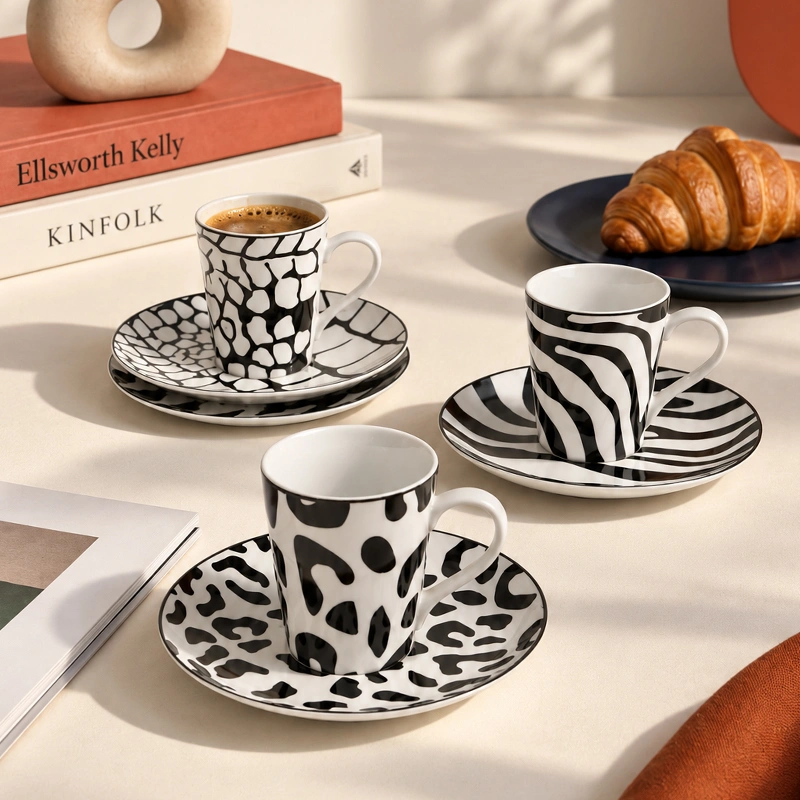
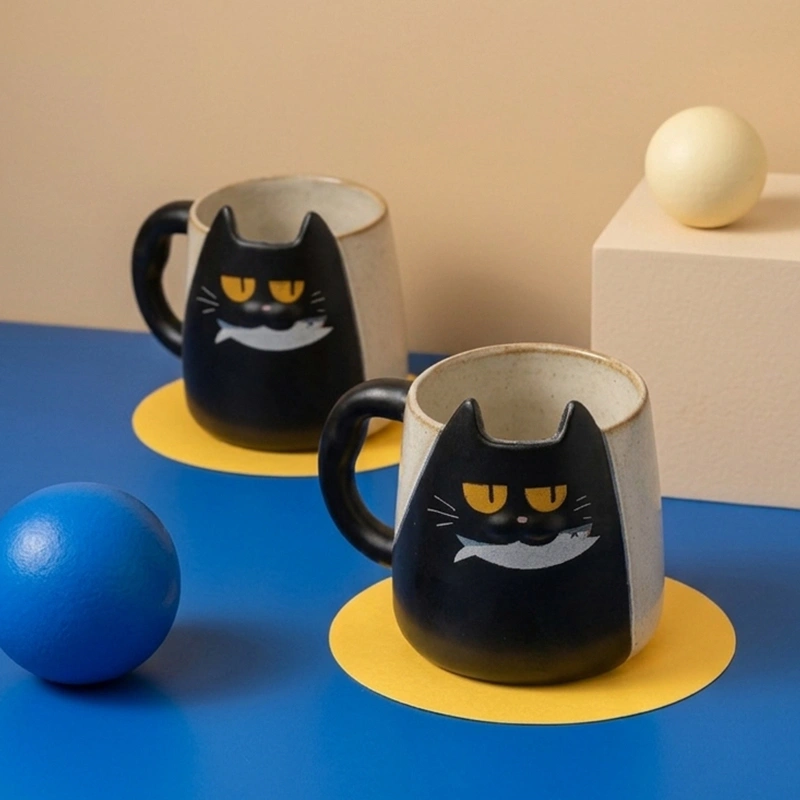
OEM is worth considering when your brand has a clear product concept and needs greater control over the physical design of its ceramic cups.
1. You Want to Develop Exclusive Cup Designs
If your business wants to offer products that are different from commonly available ceramic mugs, OEM provides an opportunity to develop designs based on your own specifications.
For example, a specialty coffee brand may want a particular cup silhouette, handle proportion, or visual style that reflects its brand identity. Developing these details through an OEM project can help create a more recognizable product range.
2. Your Product Requirements Go Beyond Basic Branding
Some buyers need more than a printed logo or a different glaze color. They may have specific requirements for cup dimensions, proportions, shapes, or decorative details.
OEM can be more suitable when these requirements affect the product itself rather than only its branding.
Before starting, buyers should discuss their designs with the manufacturer to understand production feasibility, sampling requirements, and potential development considerations.
3. You Have a Long-Term Product Development Plan
OEM may be a practical choice for brands planning to build a long-term ceramic cup collection around their own designs.
Although a new product may require additional development work, an established product with consistent demand can provide opportunities for repeat wholesale orders and stronger brand differentiation.
For businesses with a clear market position and stable purchasing plans, investing in product development may support their long-term product strategy.
When Is ODM a Better Choice for Ceramic Cup Manufacturing?
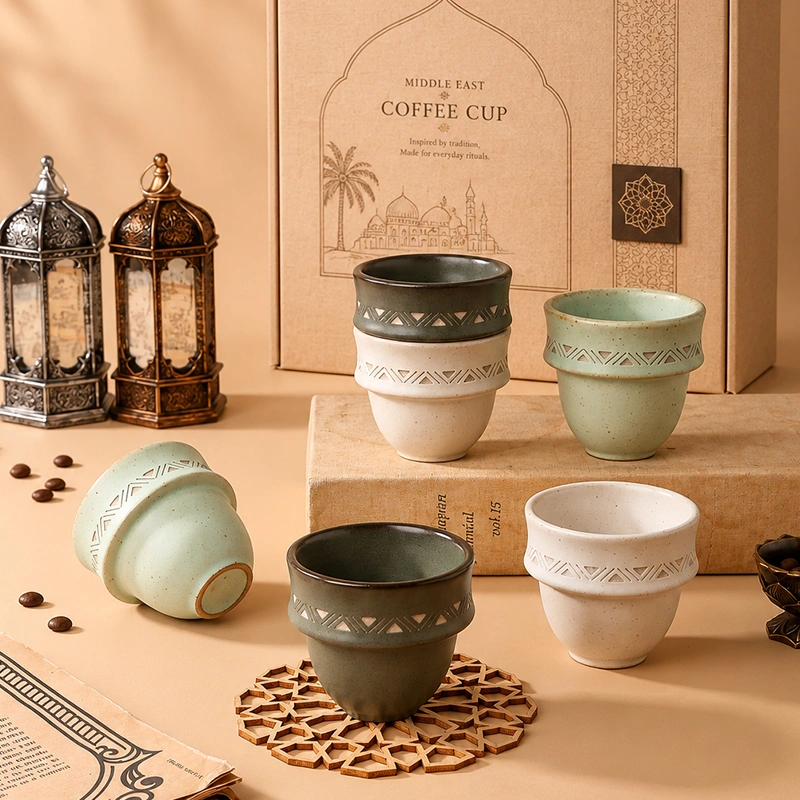
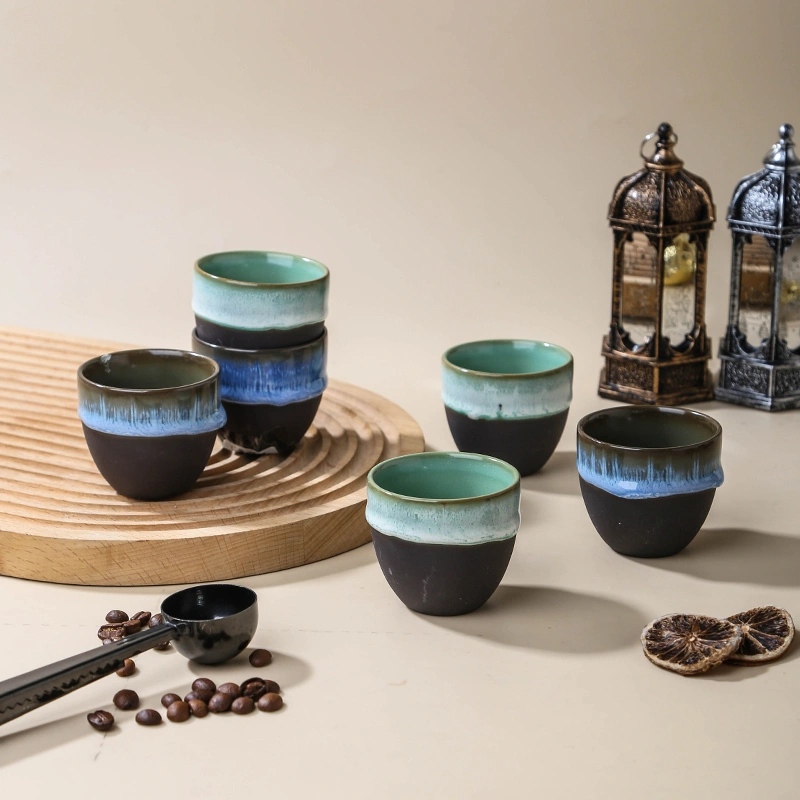
ODM can be a practical alternative when buyers want to develop a branded ceramic cup range without starting every product from an original design.
1. You Want to Launch Products More Efficiently
If your business needs to introduce new ceramic mugs within a relatively short product development schedule, selecting existing designs may reduce the work involved in developing the basic product structure.
Instead of creating a new cup from scratch, buyers can review available products, select suitable designs, and discuss possible branding or appearance adjustments.
This approach can be useful for importers and wholesale distributors preparing new product collections.
2. Your Main Requirements Are Branding and Appearance
For many private-label projects, the basic cup design is already suitable for the target market. The buyer may only need to add a brand logo, choose a suitable glaze color, or develop coordinated packaging.
In these situations, ODM can provide a more straightforward route to developing branded ceramic cups.
3. You Want to Test Market Demand
For businesses entering a new market or testing a new ceramic product category, ODM may help reduce the amount of product development required at the beginning.
Buyers can start with selected existing designs and evaluate customer responses before considering more extensive customization.
This can be particularly useful for wholesalers and retailers that need to manage inventory carefully while expanding their ceramic product ranges.
OEM vs ODM for Different Ceramic Cup Businesses
The best choice in OEM vs ODM can vary depending on the buyer’s business model, product strategy, and target customers. Understanding these differences can help businesses choose a suitable manufacturing approach.
| Buyer Type | When OEM May Be Suitable | When ODM May Be Suitable |
|---|---|---|
| Coffee brands | Developing signature mugs or exclusive cup designs | Adding branded cups to an existing product range |
| Einzelhandelsmarken | Creating distinctive products for a specific market | Testing new styles with existing designs |
| Wholesale distributors | Developing exclusive products for their distribution channels | Expanding product selection with established designs |
| Importeure | Building long-term product lines with specific requirements | Sourcing ready-developed designs for market distribution |
| Private-label businesses | Establishing a recognizable product identity through unique designs | Adding logos, colors, and packaging to existing products |
For example, a coffee brand with a well-established visual identity may prefer OEM to develop a distinctive mug collection. A wholesale distributor looking to expand its ceramic cup selection may find ODM more practical.
The decision should be based on market demand, purchasing plans, and product differentiation requirements rather than simply choosing the model with the lowest initial development cost.
What Should You Consider Before Starting an OEM or ODM Ceramic Cup Project?
Before working with a ceramic cup manufacturer, buyers should prepare several important details. Clear communication at the beginning can help make the development and sourcing process more efficient.
1. Define Your Target Market and Customer Group
Start by identifying who will purchase your ceramic cups and how the products will be used.
For example, ceramic mugs for coffee shops may have different design and appearance requirements from gift-oriented cups sold through retail stores.
Understanding your target market helps determine which product styles, sizes, and design features are worth prioritizing.
2. Prepare Product Designs or Select Existing Products
For OEM projects, provide available design references, drawings, dimensions, images, or other product requirements. The more clearly you communicate your expectations, the easier it is for the manufacturer to evaluate the project.
For ODM projects, review the manufacturer’s existing ceramic cup range and identify products that match your brand positioning.
In both cases, confirm which design elements can be adjusted before proceeding.
3. Confirm Customization Requirements
Not every customization request has the same production requirements.
Buyers should clarify whether they need changes to the cup structure, glaze color, decorative pattern, logo, or packaging.
For OEM projects, more extensive design changes may require additional evaluation and sampling. For ODM projects, buyers should confirm the available customization options for the selected products.
4. Discuss MOQ, Pricing, and Order Planning
MOQ and pricing should be discussed early in the sourcing process.
The final quotation may depend on product specifications, order quantities, customization requirements, packaging, and other project details.
For buyers planning ceramic mugs wholesale orders, it is also important to consider future replenishment needs and whether the selected products can support repeat purchasing.
5. Evaluate the Manufacturer’s Production and Quality Capabilities
Choosing a reliable ceramic tableware manufacturer involves more than comparing quotations.
Buyers should understand how the manufacturer handles product development, sampling, production requirements, quality checks, and order communication.
For OEM projects in particular, it is important to confirm that the proposed design can be translated into a practical and repeatable production plan.
How to Choose the Right Ceramic Cup Manufacturer for OEM or ODM Projects
Whether you choose OEM or ODM, your manufacturing partner plays an important role in the success of the project.
When evaluating a ceramic cup manufacturer, consider the following points:
- Relevant product experience: Check whether the manufacturer produces ceramic cups and mugs that match your product category and target market.
- Customization support: Confirm which product elements can be customized and whether the manufacturer can evaluate your specific requirements.
- Sampling and communication: Discuss how product samples, revisions, and approvals will be handled before mass production.
- Production consistency: Ask how the manufacturer manages product specifications and quality requirements across production orders.
- Wholesale supply support: Confirm MOQ, order quantities, packaging requirements, lead times, and arrangements for repeat orders.
A suitable manufacturing partner should be able to communicate clearly about what is feasible, what requires further development, and how the project can move from product selection or design approval to production.
For international buyers, establishing these expectations early can help reduce misunderstandings and support a more stable sourcing relationship.
How Qingfa Supports OEM and ODM Ceramic Cup Projects
Choosing between OEM vs ODM ceramic cups is only the first step. Buyers also need a manufacturing partner that can support their product requirements, branding goals, and wholesale purchasing plans. Qingfa Ceramic works with brands, wholesalers, and other business buyers on both OEM and ODM ceramic cup projects.
OEM Support for Brand-Specific Ceramic Cups
For buyers who already have product concepts or design requirements, Qingfa supports OEM ceramic cup projects based on the buyer’s specifications. Depending on the project and production feasibility, buyers can discuss requirements such as:
- Product Design: Share your design ideas, reference images, or product specifications for project evaluation.
- Color and Decoration: Discuss custom colors, logo decoration, and other branding requirements.
- Packaging Solutions: Explore packaging options that suit your brand presentation and sales channels.
- Bulk Production: Coordinate production requirements for wholesale orders and ongoing business needs.
ODM Support for Ready-to-Develop Ceramic Cup Ideas
For buyers who want to develop a ceramic cup collection without managing every design detail from the beginning, ODM can be a practical option. Qingfa can discuss product directions and available development options with buyers, including suitable designs, branding details, and packaging requirements.
When comparing OEM vs ODM ceramic cups, buyers should consider how much control they want over the original design and how much product development support they need. Qingfa communicates with buyers to understand these requirements and evaluate a suitable cooperation approach.
Finding the Right OEM vs ODM Cooperation Model with Qingfa
Whether you choose OEM or ODM, clear communication is important before production begins. Buyers can share their target market, expected order quantity, design references, branding requirements, and packaging preferences so that the project can be evaluated more accurately.
By supporting both OEM and ODM cooperation, Qingfa Ceramic helps business buyers explore ceramic cup solutions that align with their product positioning and wholesale plans. Contact Qingfa to discuss your ceramic cup project and find a suitable manufacturing approach for your brand.
FAQs About OEM vs ODM Ceramic Cups
1. What Is the Main Difference Between OEM and ODM Ceramic Cups?
OEM uses buyer-led product designs and specifications, while ODM starts with designs already developed by the manufacturer. OEM generally offers more control over product development, whereas ODM can simplify the process when existing designs meet the buyer’s needs.
2. Is OEM More Expensive Than ODM for Ceramic Cups?
OEM may involve additional development expenses if a project requires new designs, tooling, or multiple sampling rounds. ODM may require less initial development work because it starts with existing products. However, actual costs depend on specifications, order quantities, customization, and packaging.
3. Can ODM Ceramic Cups Include a Brand Logo?
Yes, logo printing may be available as part of an ODM project, depending on the selected product and the manufacturer’s customization options. Buyers should confirm the available branding methods and requirements before placing an order.
4. Is OEM or ODM Better for Ceramic Cup Wholesalers?
ODM may be suitable for wholesalers who want to expand their product selection using existing designs. OEM may be more appropriate for wholesalers who need exclusive products for their distribution channels. The best option depends on market demand, purchasing plans, and product differentiation requirements.
5. Can a Business Start with ODM and Move to OEM Later?
Yes. A business can begin by selecting existing products to test market demand and later develop more distinctive designs when its product strategy becomes clearer. This approach allows buyers to evaluate customer preferences before making a larger product development commitment.
6. What Information Should I Provide When Requesting a Ceramic Cup Quotation?
Buyers should provide the product type, reference images or designs, required quantities, customization details, logo requirements, packaging preferences, and target delivery schedule. These details help the manufacturer evaluate the project and prepare a more relevant quotation.
Conclusion About OEM vs ODM Ceramic Cups
Choosing between OEM vs ODM ceramic cups depends on how much product control your business needs, how much development work you are prepared to undertake, and what you want to achieve in your target market.
OEM is a suitable option for brands that need distinctive product designs and greater control over specifications. ODM is often more practical for businesses that want to use existing ceramic cup designs and focus on branding, product selection, and market entry.
For coffee brands, importers, retailers, and wholesale distributors, the most effective approach is to match the manufacturing model with your product strategy and purchasing plans.
By working with an experienced ceramic cup manufacturer, you can evaluate product requirements, customization possibilities, and production considerations before moving forward with your next ceramic cup collection.
Über Qingfa-Keramik
Qingfa-Keramik is a ceramic products manufacturer serving business buyers across different markets. With a product range that includes ceramic cups and mugs, dinnerware, and other ceramic products, Qingfa supports businesses looking for suitable products and manufacturing cooperation.
Whether you are developing a new ceramic cup concept or sourcing existing designs for your wholesale product range, Qingfa can discuss your product requirements and customization needs.
Contact Qingfa Ceramic to explore OEM and ODM ceramic cup solutions for your brand, retail business, or wholesale distribution needs.
Verwandte Produkte
-

Individuell gestaltete, ästhetische Keramikbecher mit farbenfrohem Glasurdesign, OEM-Hersteller von Kaffeebechern
-
Benutzerdefinierte Arabien Kaffeetassen Kreative Griff 50 ml Arabisch Keramik Kaffeebecher
-
Benutzerdefinierte arabischen Kaffeetassen Hand Made raue Textur Keramik
-
Individuelles arabisches Kaffeetassen-Set mit Kamel-Druck