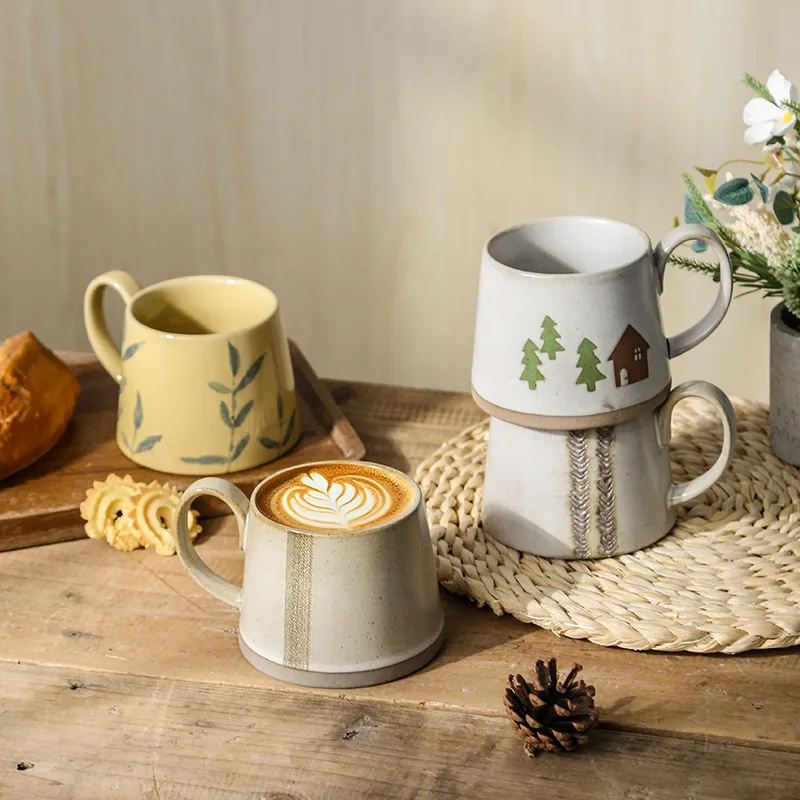
When choosing the perfect ceramic plate designs for your home or business, aesthetic appeal is often the first consideration. However, for health-conscious consumers and professional buyers wholesale, a more critical question arises: does ceramic contain lead?
Understanding the composition of ceramic glaze for tableware is essential to ensuring that your dining experience is as safe as it is beautiful. This guide explores the facts behind lead in ceramic glaze, providing you with the knowledge to identify the healthiest dinnerware for your needs.
Understanding Ceramic Glaze: What Is It Made Of?
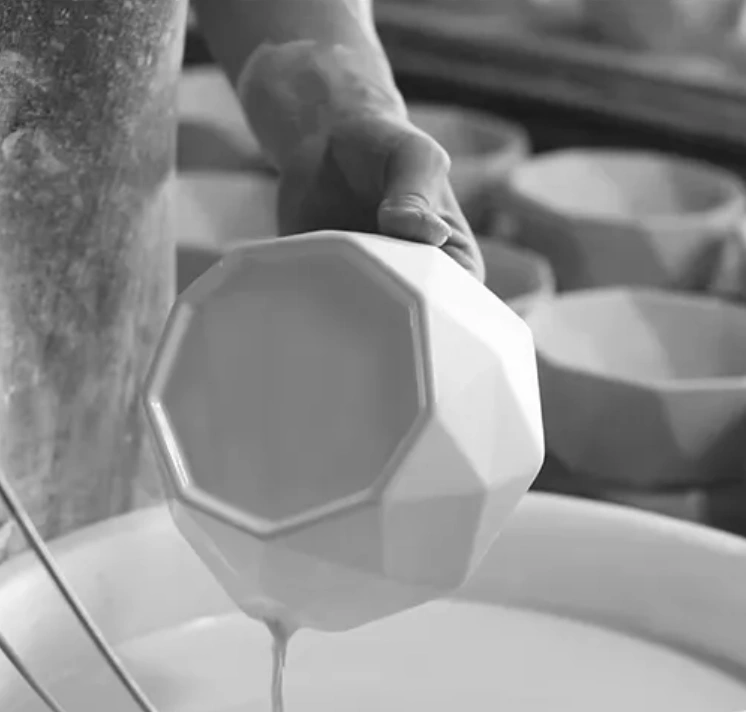
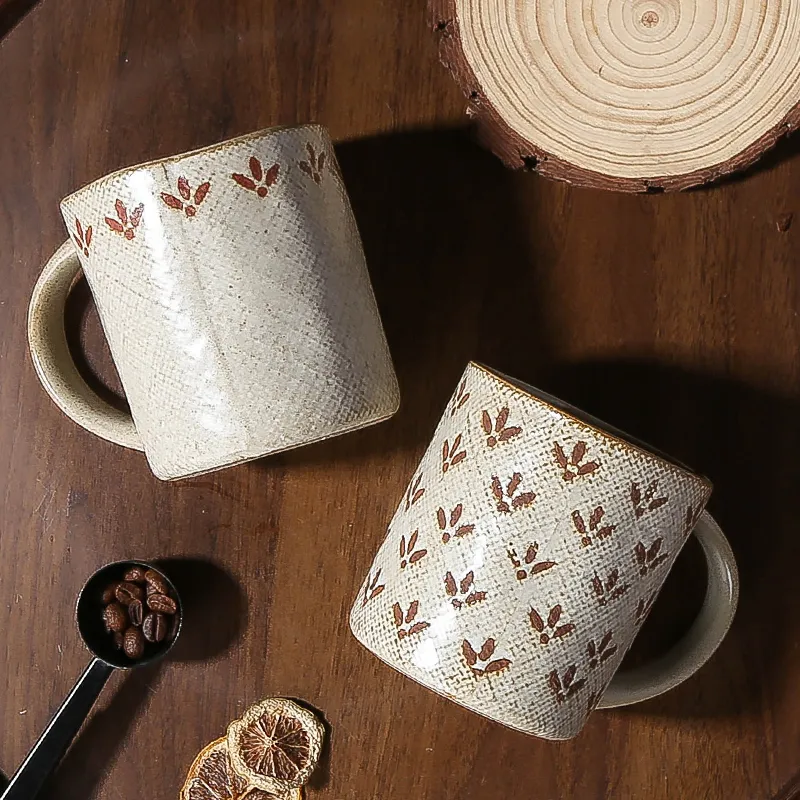
To answer what is ceramic glaze made of, we must look at its functional components. Glaze is essentially a thin layer of glass fused to the ceramic body through high-temperature firing. Historically, lead glaze was used to achieve vibrant colors and a smooth, glossy finish at lower temperatures.
Today, while modern manufacturing has evolved, concerns remain regarding lead in ceramic glazes. So, is ceramic glaze toxic? Not necessarily. The safety of a piece depends entirely on the formulation of the glaze and the firing process.
Does Ceramic Have Lead? How to Know for Sure
The most common concern for buyers is whether their ceramic plates are safe for daily use. While many high-quality options are now is ceramic lead free, some traditional or low-fire ceramics may still pose a risk.
Here is how you can stay informed and ensure glaze safety news translates into your purchasing decisions:
- Check for Lead-Free Labels: Always look for products explicitly labeled as lead-free or cadmium-free.
- Understand Firing Temperatures: High-fired ceramics like stoneware and porcelain are generally safer because the high heat stabilizes the glaze, making it less likely for lead in ceramic dishes to leach into food.
- Be Wary of Bright Decorations: Sometimes, the lead in pottery glaze is found in the overglaze decorations rather than the clear base glaze.
- Know How to Know if Ceramic Has Lead: If you are unsure about an older or artisan piece, lead testing kits can provide a quick, though sometimes limited, answer.
Is Ceramic Dinnerware Safe for Your Family?
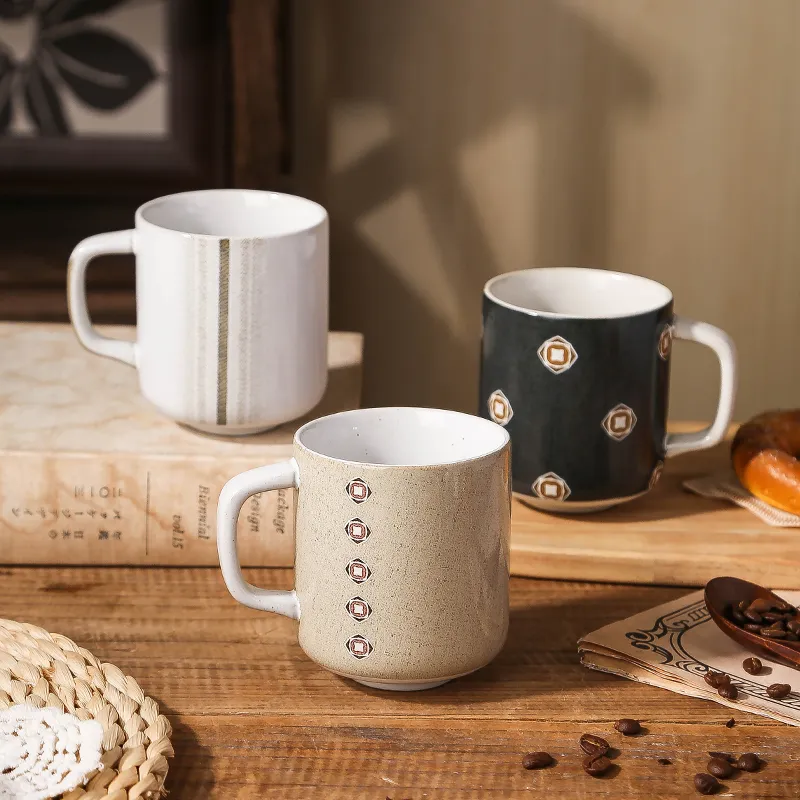
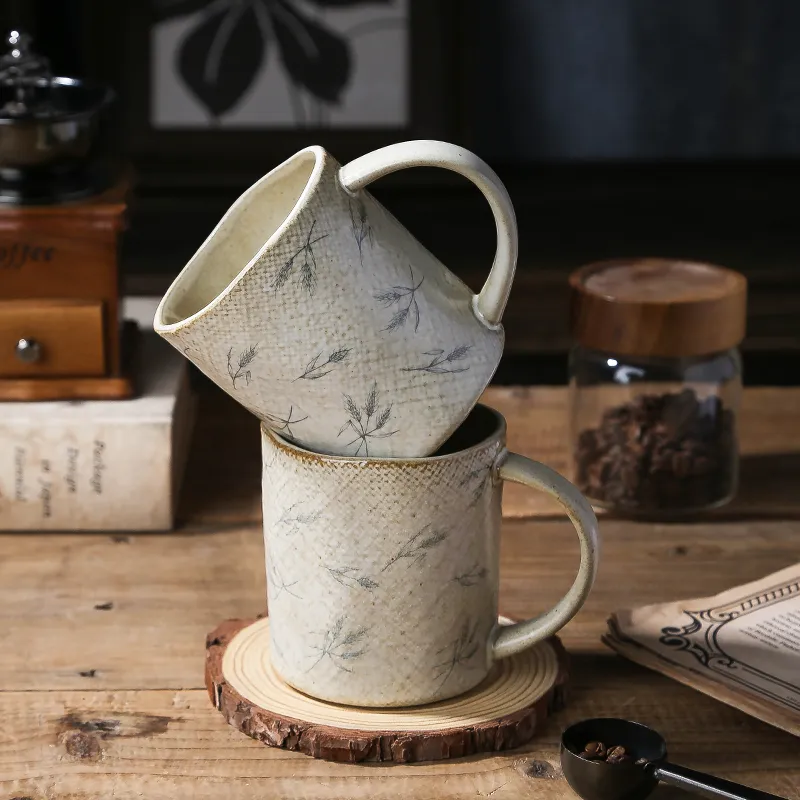
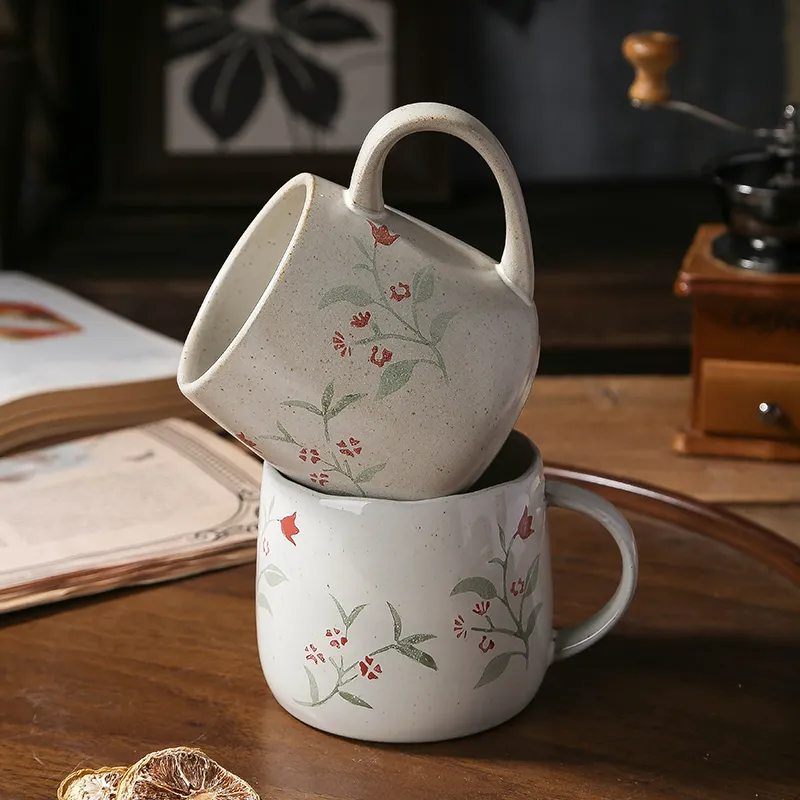
For those asking is ceramic dinnerware safe, the answer is a resounding yes—provided you source from reputable manufacturers who prioritize health standards. Whether you are using a standard size cup for your morning coffee or serving a holiday meal on ceramic thanksgiving plates, the goal is always to find the safest material for dinnerware.
High-quality ceramical white tableware often represents the best material for dishes because it typically uses stable, lead-free glazes that withstand acidic foods and high temperatures without chemical leaching.
Trust Qingfa Ceramics for Lead-Free Excellence
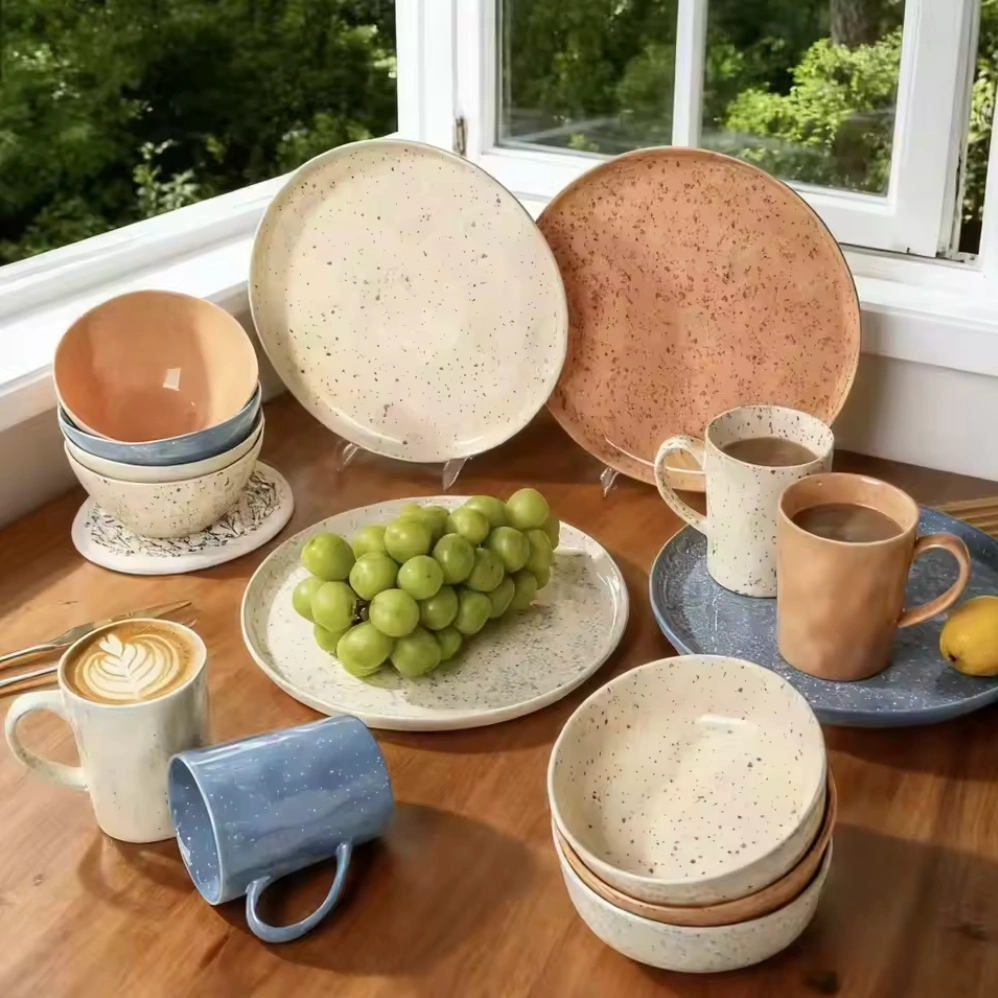
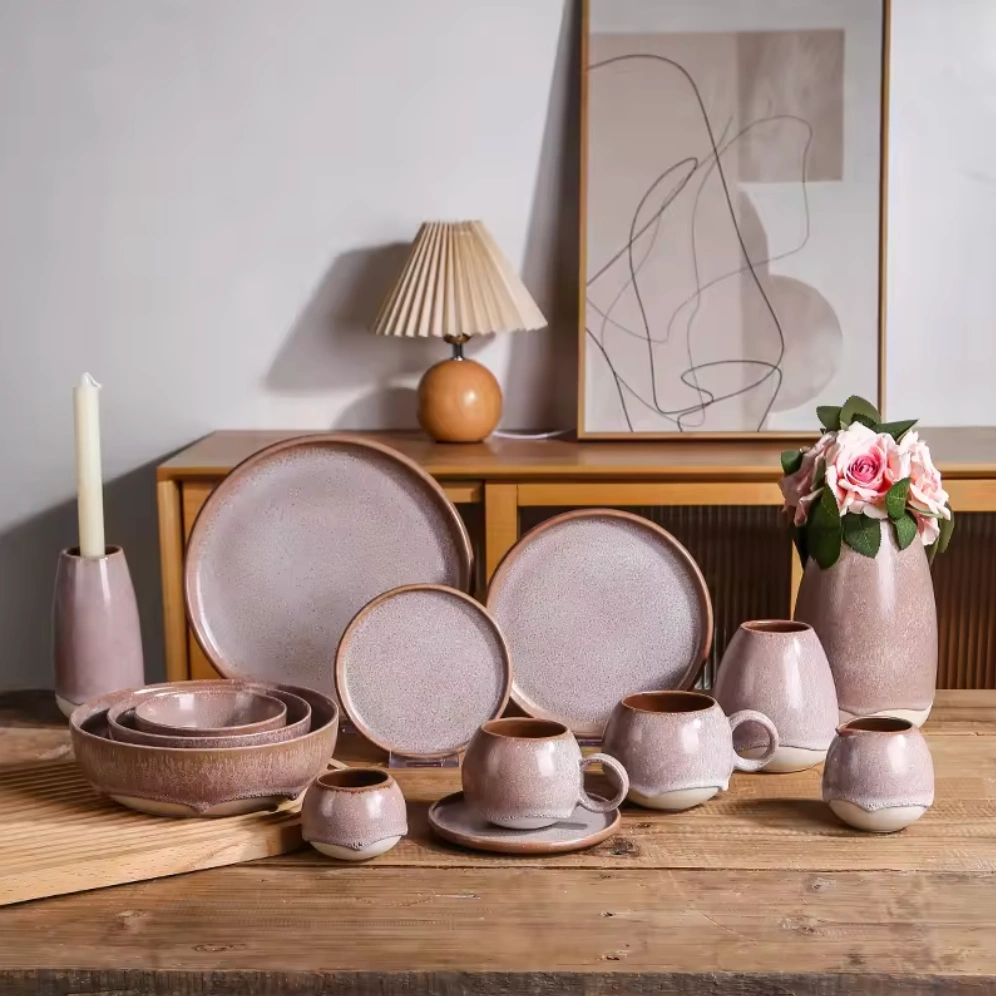
Navigating the complexities of ceramic glaze safety news requires an experienced manufacturing partner who puts safety first.
Qingfa Ceramics is a professional ceramics factory & supplier with over 40 years of experience, serving global brands and wholesale partners. We specialize in coffee cups, tea & coffee sets, dinnerware, home decor, and kitchenware, providing comprehensive OEM/ODM customization and wholesale solutions.
With four decades of expertise, we ensure that every piece of ceramic tableware, whether cute or professional-grade, we produce adheres to the strictest safety regulations. From the initial design of a snack plate ceramic to the final firing of a ceramic flat plate, our commitment to lead-free craftsmanship ensures that your table is always set with the healthiest dinnerware possible.