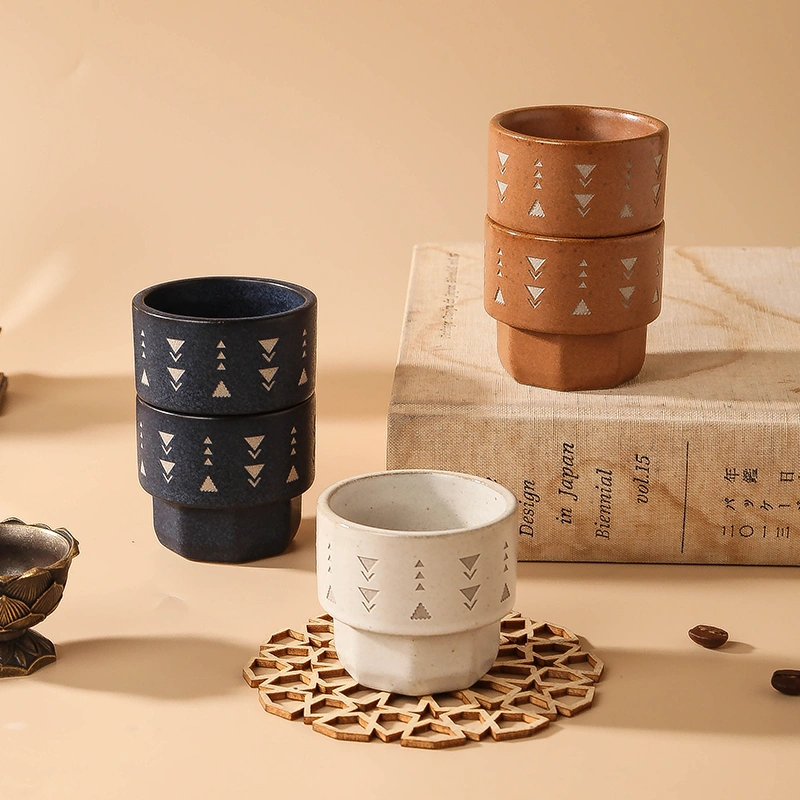
Introduction
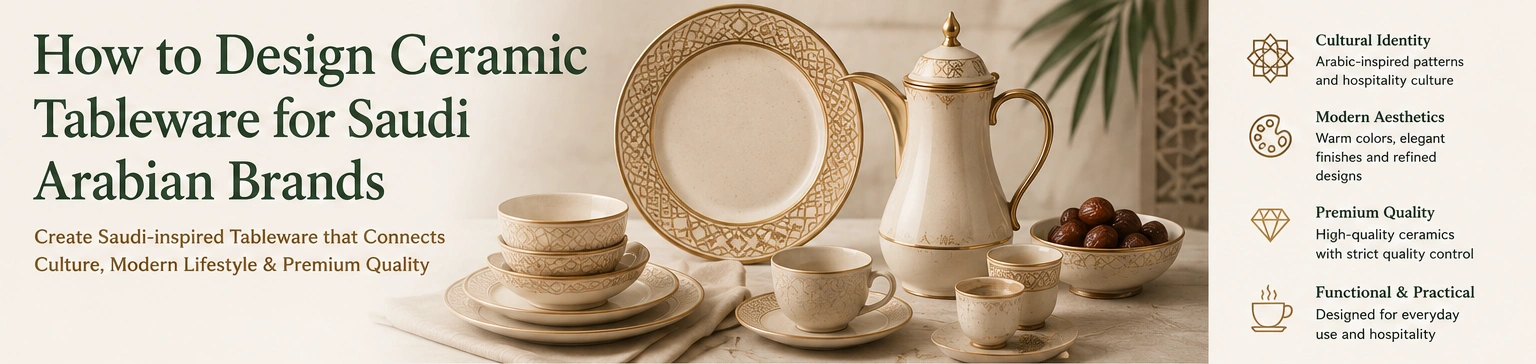
Saudi Arabia offers strong opportunities for ceramic tableware brands, retailers, restaurants, and hospitality projects. For businesses entering or expanding in the Saudi market, well-designed ceramic tableware needs to balance local cultural preferences, modern aesthetics, functionality, and scalable manufacturing.
Successful ceramic tableware design for the Saudi market is not simply about using traditional Arabic patterns. The most effective collections combine Saudi cultural elements with modern aesthetics, functionality, and scalable manufacturing.
Here are the key points to consider when developing ceramic tableware for Saudi Arabian brands.
1. Choose the Right Colors
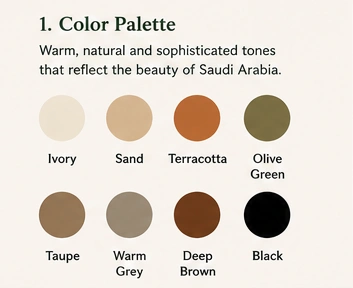
Warm and natural colors are a strong starting point for Saudi-inspired ceramic collections.
Popular directions include:
- Cream and ivory
- Sand and beige
- Terracotta
- Clay brown
- Olive and sage green
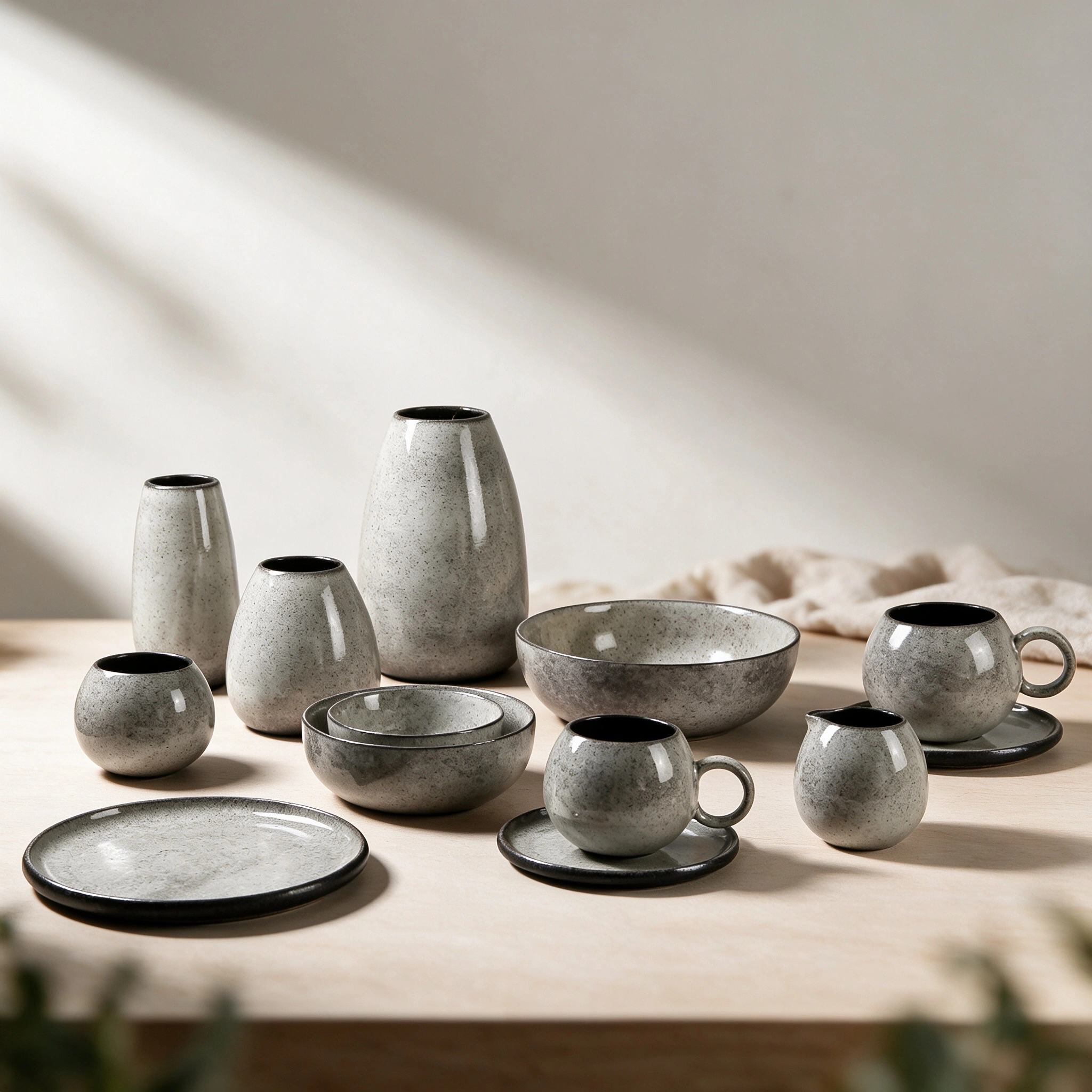
- Stone grey
- Deep brown
- Black and dark green
For premium collections, cream or dark colors with subtle gold accents can create a sophisticated appearance.
A coordinated palette is usually more effective than using one color across the entire collection.
2. Incorporate Saudi and Arabic-Inspired Patterns
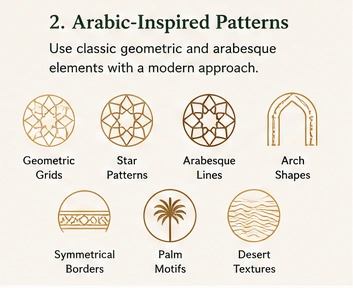
Arabic geometric patterns can give ceramic tableware a strong local identity.
Suitable elements include:
- Geometric patterns
- Arabesque-inspired lines
- Symmetrical borders
- Arch-inspired shapes
- Palm and botanical motifs
- Desert-inspired textures
The key is to keep the decoration controlled.
Zum Beispiel:
Simple ceramic shape + geometric border + subtle gold detail
can create a modern Saudi-inspired style without looking overly traditional.
3. Focus on Coffee and Hospitality
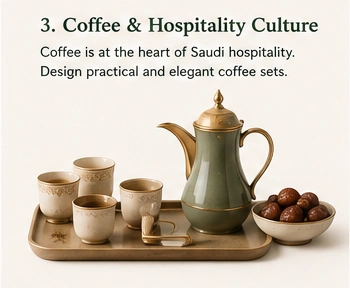
Coffee and hospitality are important considerations when developing ceramic tableware for the Saudi market.
Potential products include:
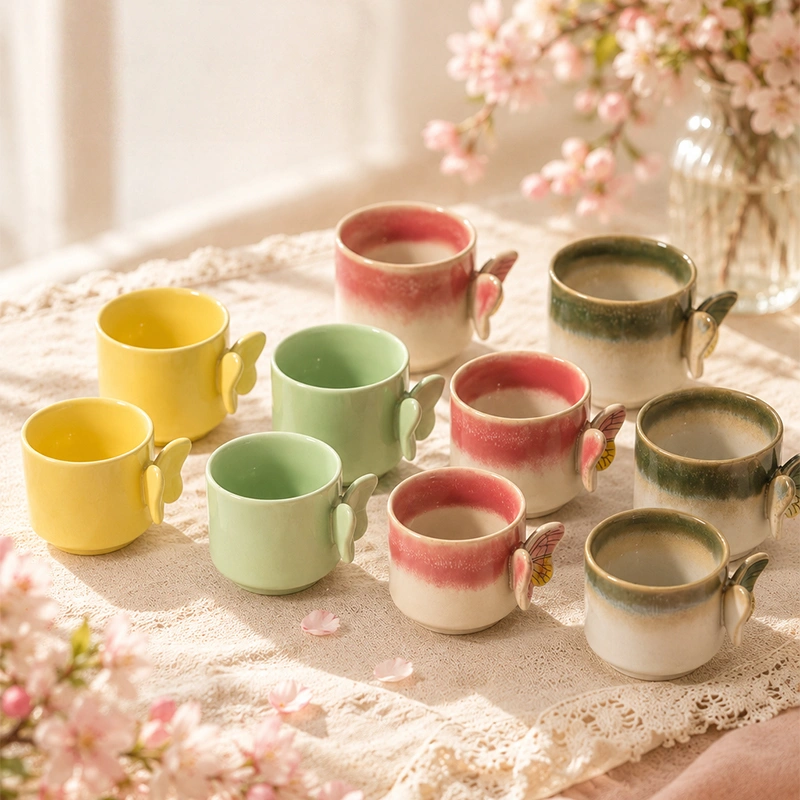
- Arabic coffee cups
- Handleless coffee cups
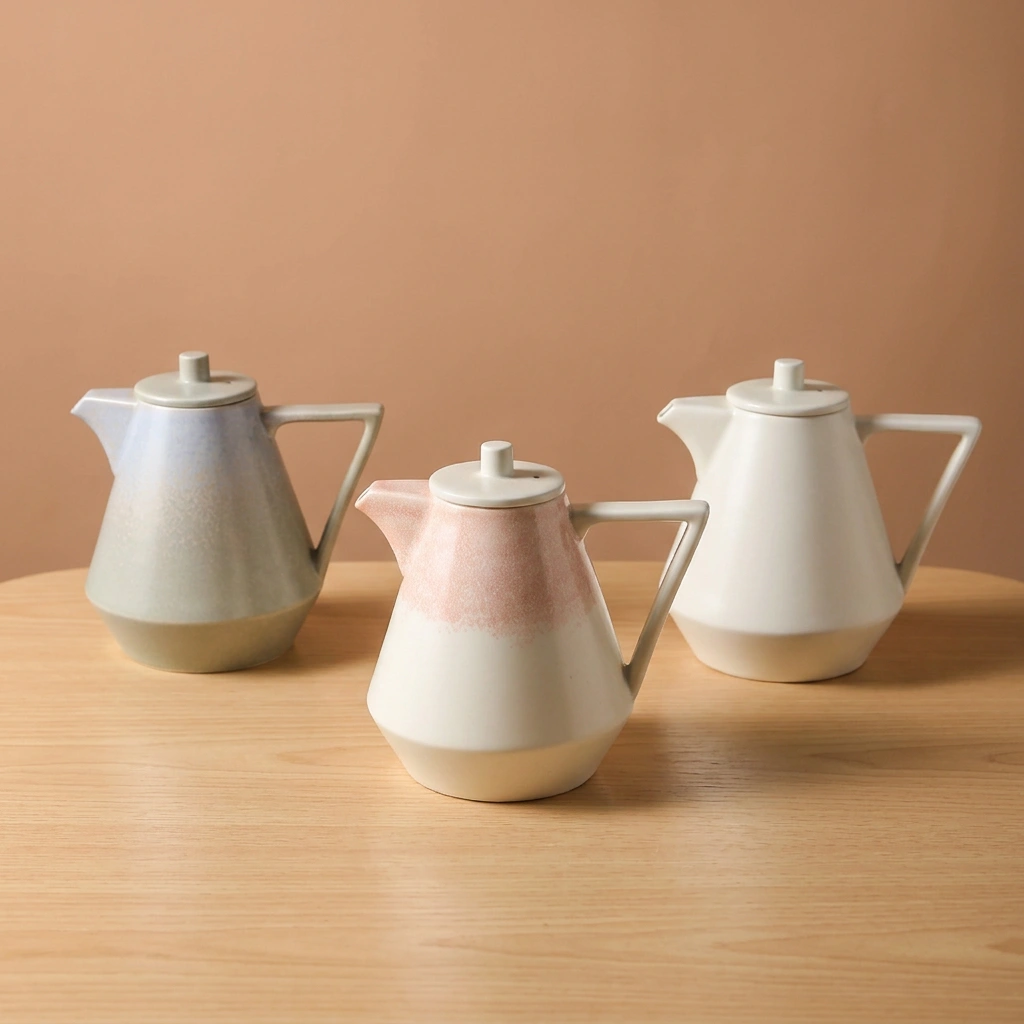
- Coffee pots
- Date bowls
- Serving trays
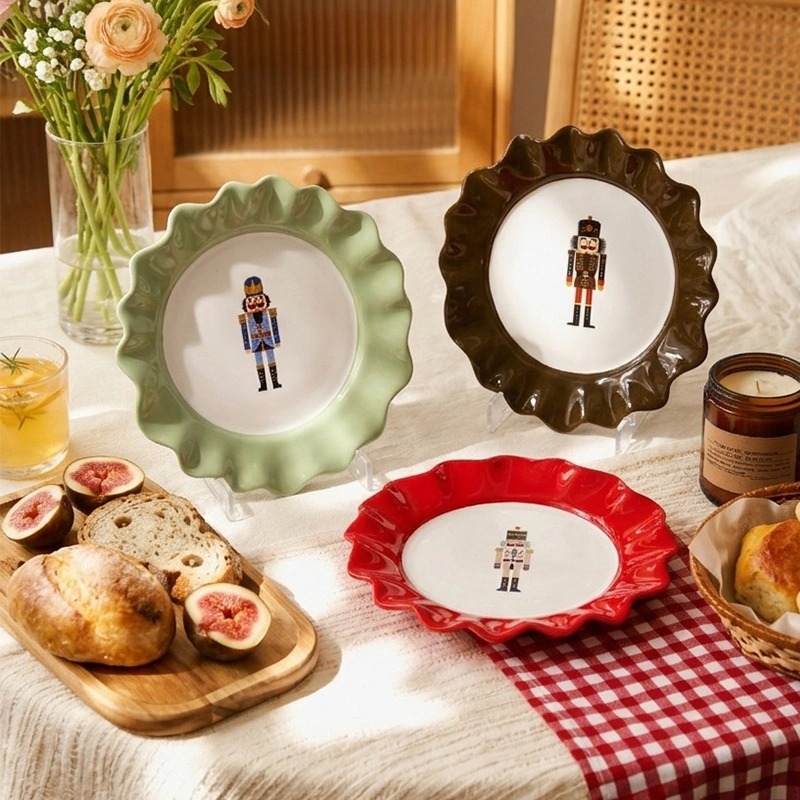
- Dessert plates
- Small serving dishes
Hotels, restaurants, cafés, and hospitality venues may also require coordinated coffee cups, serving dishes, and tableware sets that match their overall brand identity.
A modern combination such as minimalist shape + earthy glaze + subtle Arabic decoration can work well for contemporary Saudi brands.
4. Select Suitable Shapes
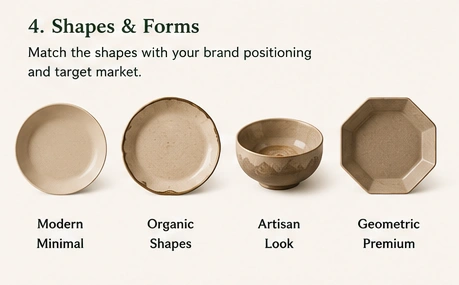
Shape should match the positioning of the brand.
Modern Collections
Use:
- Simple round plates
- Coupe plates
- Clean bowls
- Minimalist cups
Artisan Collections
Use:
- Organic round plates
- Oval plates
- Handcrafted-look bowls
- Asymmetrical serving dishes
Premium Collections
Consider:
- Octagonal plates
- Geometric serving dishes
- Refined cup shapes
Organic shapes work particularly well with earthy colors and reactive glazes.
5. Explore Different Ceramic Finishes
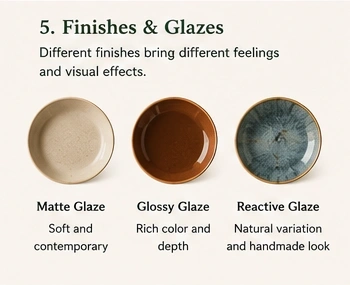
Glaze can significantly change the appearance and character of a ceramic tableware collection.
Matte Glasur works well with cream, beige, sand, sage, and stone grey.
Glänzende Glasur can add depth to terracotta, green, and brown.
Reaktive Glasur can create:
- Speckles
- Subtle color transitions
- Darker edges
- Natural color variations
For B2B projects, glaze variation should be controlled and approved before mass production.
6. Develop Ramadan and Eid Collections
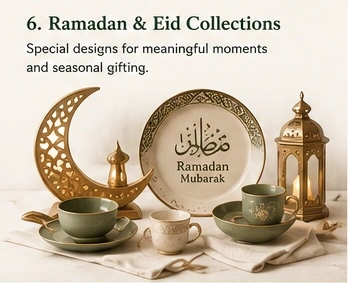
Ramadan and Eid provide opportunities for seasonal ceramic collections and gift sets.
Possible products include:
- Ramadan plates
- Coffee cups
- Date bowls
- Serviergeschirr
- Dessert plates
- Ceramic gift sets
Design elements can include:
- Crescent moons
- Stars
- Arabische Kalligraphie
- Geometric patterns
- Lantern-inspired motifs
A combination such as deep green + cream + gold can create a premium festive appearance.
7. Think in Collections, Not Single Products
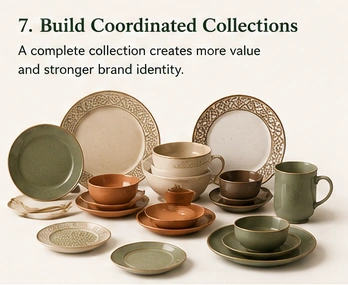
Instead of developing individual products, brands can create coordinated ceramic tableware collections that share colors, shapes, and decorative elements.
Zum Beispiel:
Desert Collection
Sand + Cream + Terracotta + Brown
Modern Arabic Collection
Ivory + Olive + Deep Green + Gold
Luxury Collection
Cream + Charcoal + Gold
The same colors, shapes, and decoration can then be applied across plates, bowls, cups, and serving ware.
This makes it easier to create product bundles, gift sets, and hospitality collections.
8. Design for Mass Production
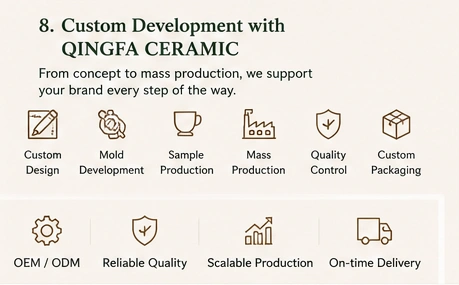
A successful ceramic design must work beyond the sample stage.
Before mass production, brands should consider:
- Product dimensions
- Gewicht
- Stapeln
- Mold complexity
- Konsistenz der Glasur
- Dekorationsverfahren
- Dauerhaftigkeit
- Verpackung
The goal is:
Beautiful Design + Consistent Quality + Efficient Manufacturing
9. Custom Ceramic Development with QINGFA CERAMIC
QINGFA CERAMIC provides customized ceramic manufacturing and OEM/ODM development for brands.
Our services include:
- Custom shapes and molds
- Glaze and color development
- Ceramic decoration
- Sample development
- Massenproduktion
- Quality control
- Maßgeschneiderte Verpackungen
From initial concept to sample approval and mass production, we help brands turn their ceramic ideas into commercially scalable products.
Schlussfolgerung
Designing ceramic tableware for Saudi Arabian brands requires a balance of cultural identity, modern aesthetics, and practical manufacturing.
Warm earth tones, Arabic-inspired patterns, coffee-related products, organic shapes, reactive glazes, and premium gift sets can provide strong directions for the Saudi market.
Whether you are developing ceramic tableware, Arabic coffee cups, serving ware, Ramadan collections, or custom gift sets, a coordinated product design can help your brand stand out in the Saudi market.
Über Qingfa-Keramik
Qingfa-Keramik ist ein Fachmann ceramic tableware manufacturer serving brands, restaurants, retailers, and hospitality businesses. With a focus on quality, product development, and reliable production, we work with B2B customers to create tableware collections suited to different markets and design requirements.
Planning a new ceramic tableware collection for the Saudi market? Kontakt zu Qingfa to request a sample or get a quote.